Abstract
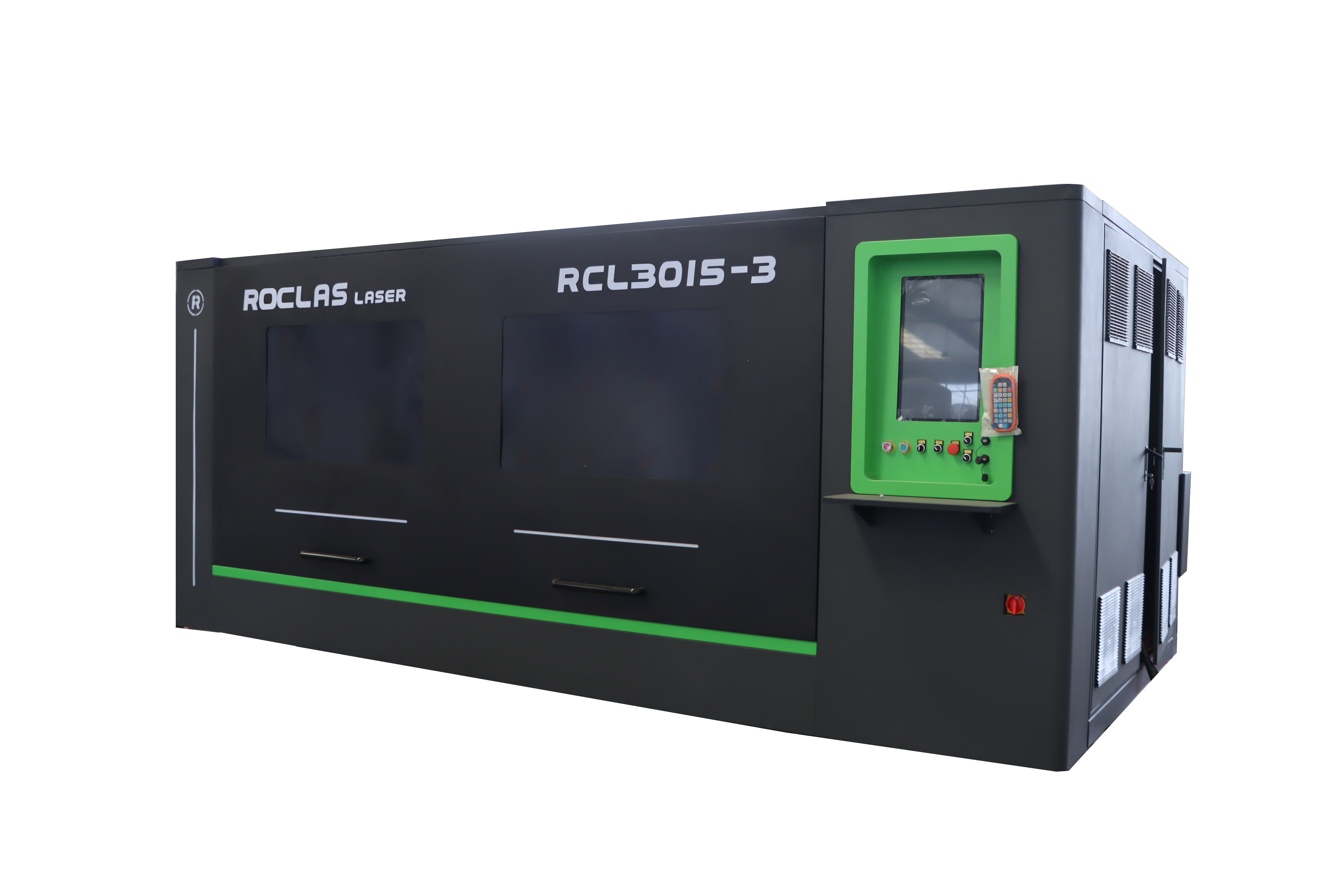
The 6kW Fiber laser cutting machine has become a pivotal configuration in metal fabrication, balancing cutting capability with operational cost. This analysis examines the pricing dynamics, technical value drivers, and market positioning of 6kW systems, drawing on product data from established manufacturers like ROCLAS® MACHINERY CO., LTD.
Market Context and Pricing Framework
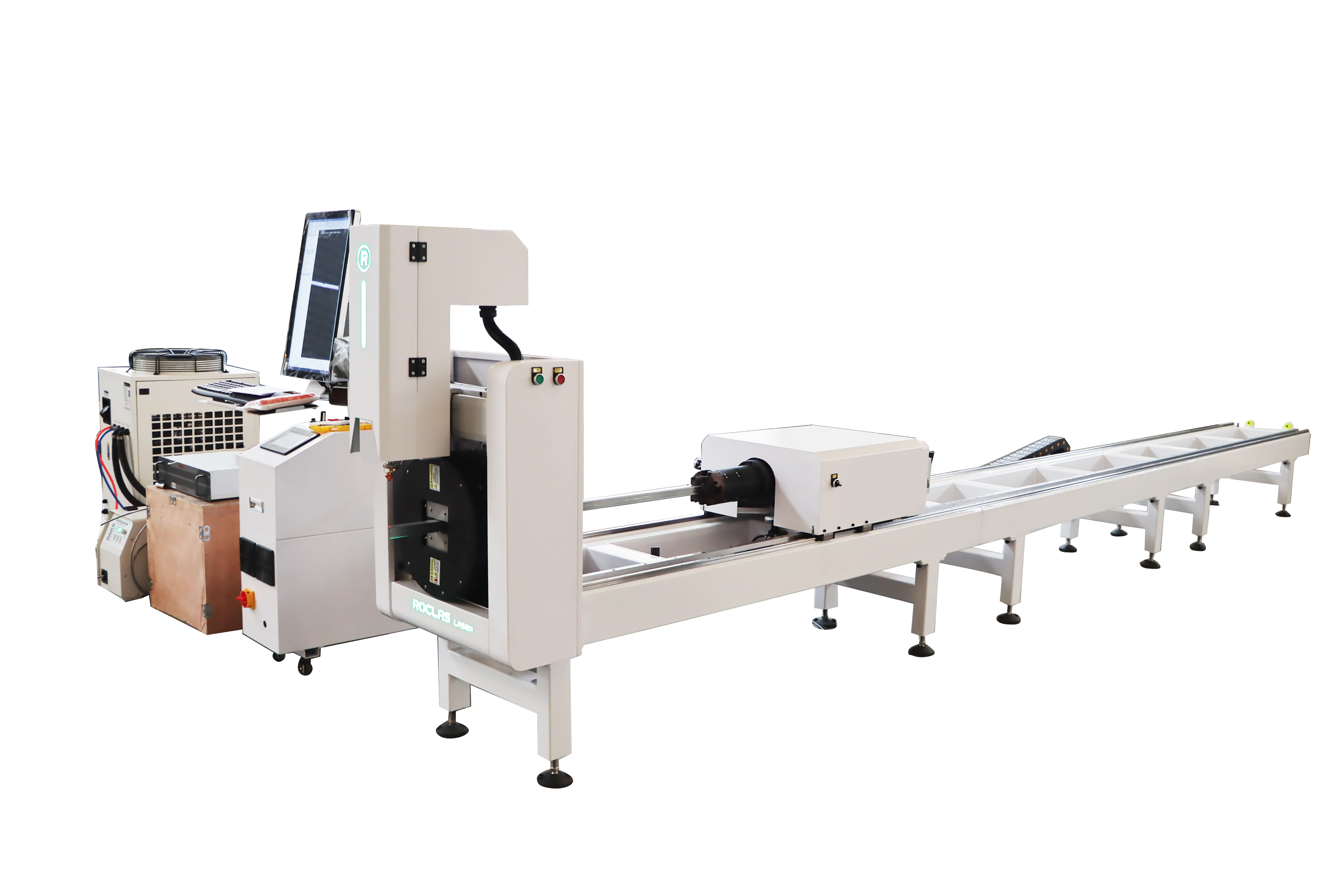
The global fiber laser cutting machine market has experienced substantial growth, driven by demand for precision metal processing across automotive, aerospace, and general manufacturing sectors. Within this landscape, the 6kW power segment represents a critical inflection point—offering sufficient power for thick-plate cutting while maintaining reasonable operating costs.
Pricing for 6kW fiber laser cutting machines varies considerably based on configuration, brand, and regional factors. The following table synthesizes typical price ranges and corresponding specifications:
| Configuration Tier | Price Range (USD) | Typical Specifications | Target Applications |
|-------------------|-------------------|----------------------|---------------------|
| Entry-Level | $45,000 – $65,000 | 3000×1500mm bed, Raycus source, Cypcut control | General sheet metal, thin-to-medium plate |
| Mid-Range | $65,000 – $95,000 | 4000×2000mm bed, MAX source, imported servo | Automotive parts, structural components |
| High-Performance | $95,000 – $140,000 | 6000×2000mm+ bed, high-reflectivity module | Thick plate, copper/aluminum processing |
| Turnkey Integration | $140,000 – $200,000+ | Automated loading, nesting software, waste systems | High-volume production lines |
Several factors explain the price dispersion. Laser source selection—whether Raycus or MAX—significantly impacts cost and performance characteristics. Bed dimensions directly correlate with material handling capacity. Control system sophistication, servo drive quality, and auxiliary equipment all contribute to the final investment.
Technical Value Drivers
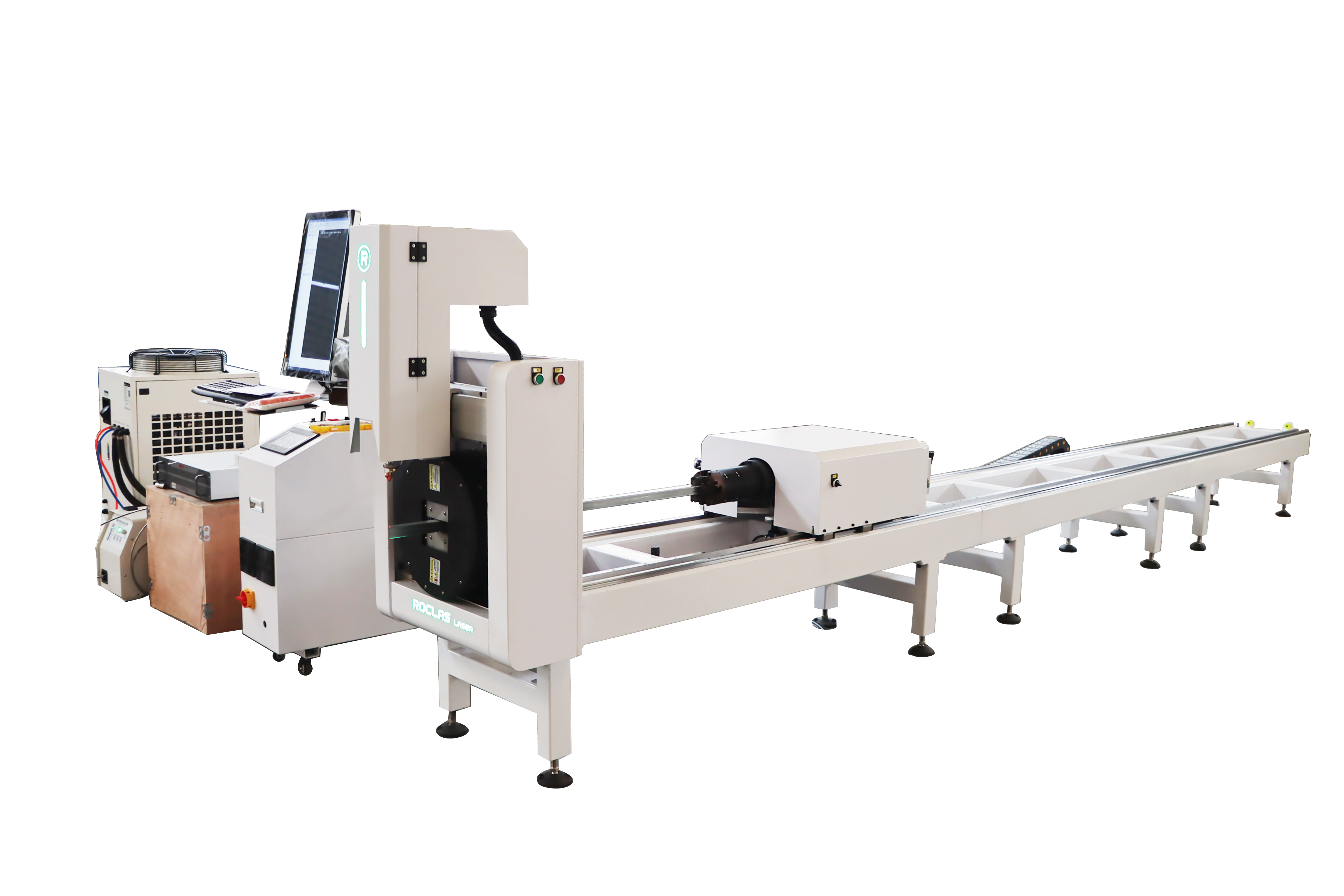
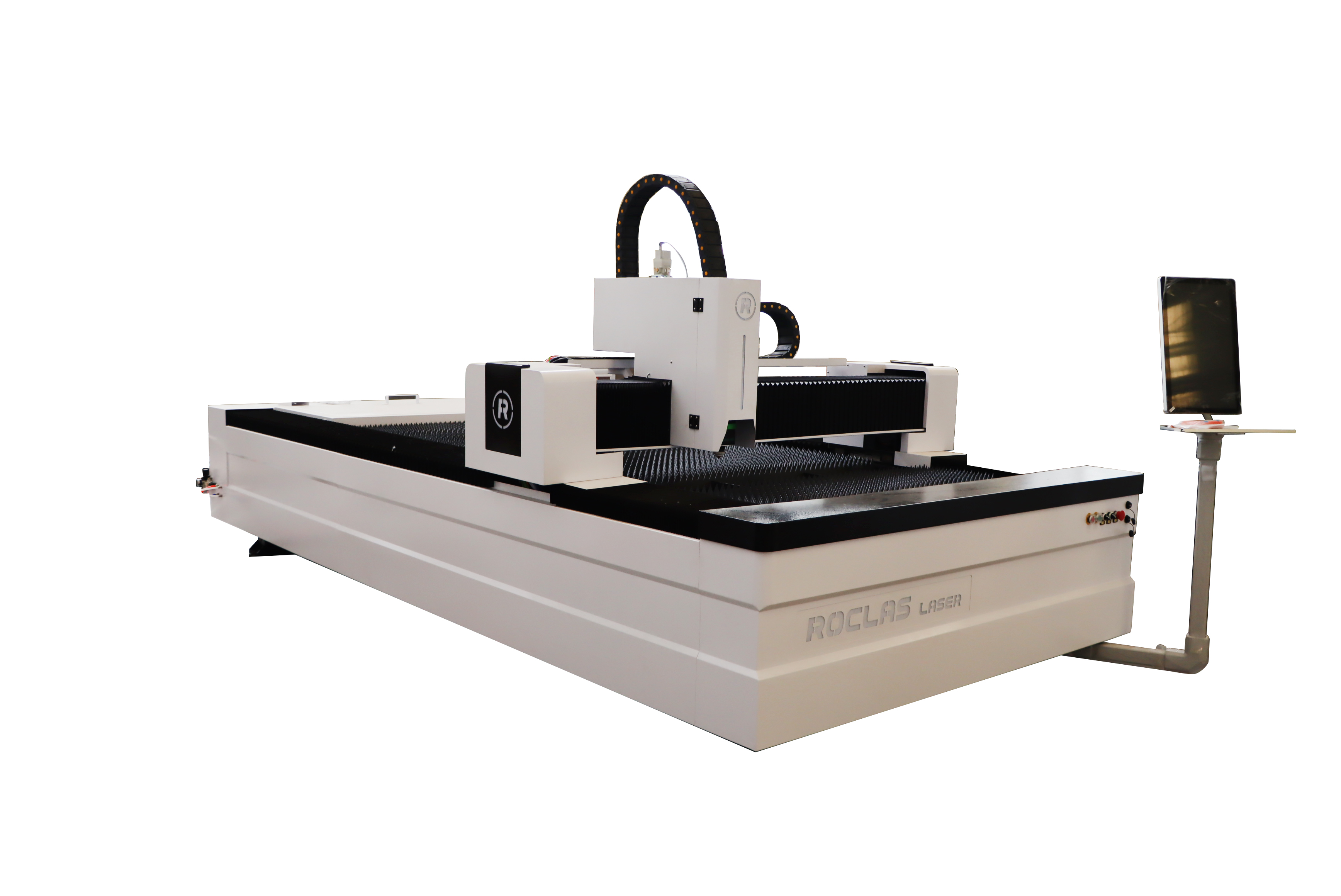
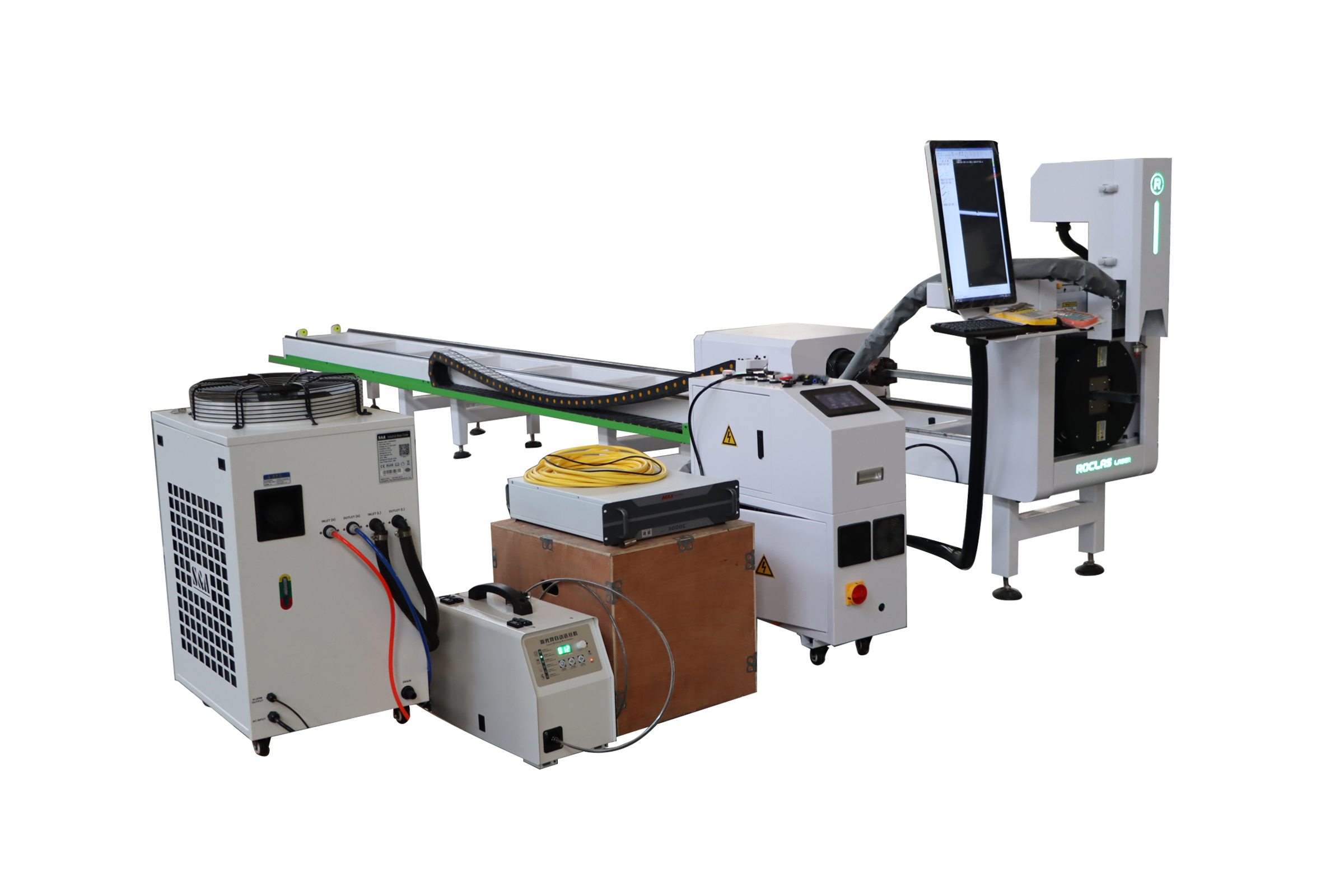
Understanding what distinguishes a $50,000 machine from a $150,000 machine requires examining core technical parameters. ROCLAS® fiber laser cutting machines illustrate industry-standard specifications that inform pricing expectations.
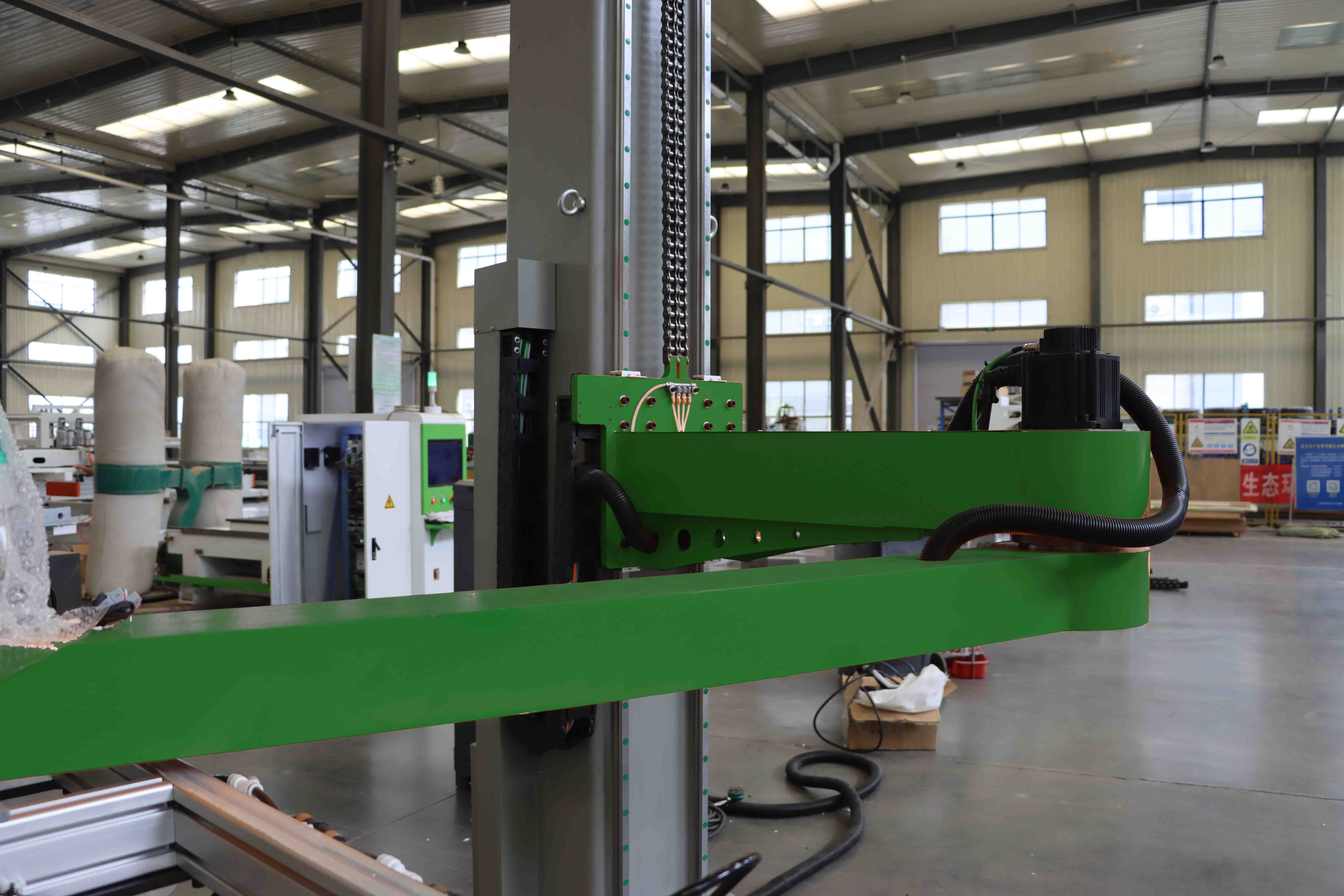
Positioning accuracy of ±0.03mm and repositioning accuracy of ±0.02mm represent the precision benchmark for quality 6kW systems. Travel speeds reaching 100m/min with maximum acceleration of 1.0G ensure productive throughput. These specifications require robust mechanical construction—typically industrial-grade heavy-duty steel structures processed on CNC five-face machining centers.
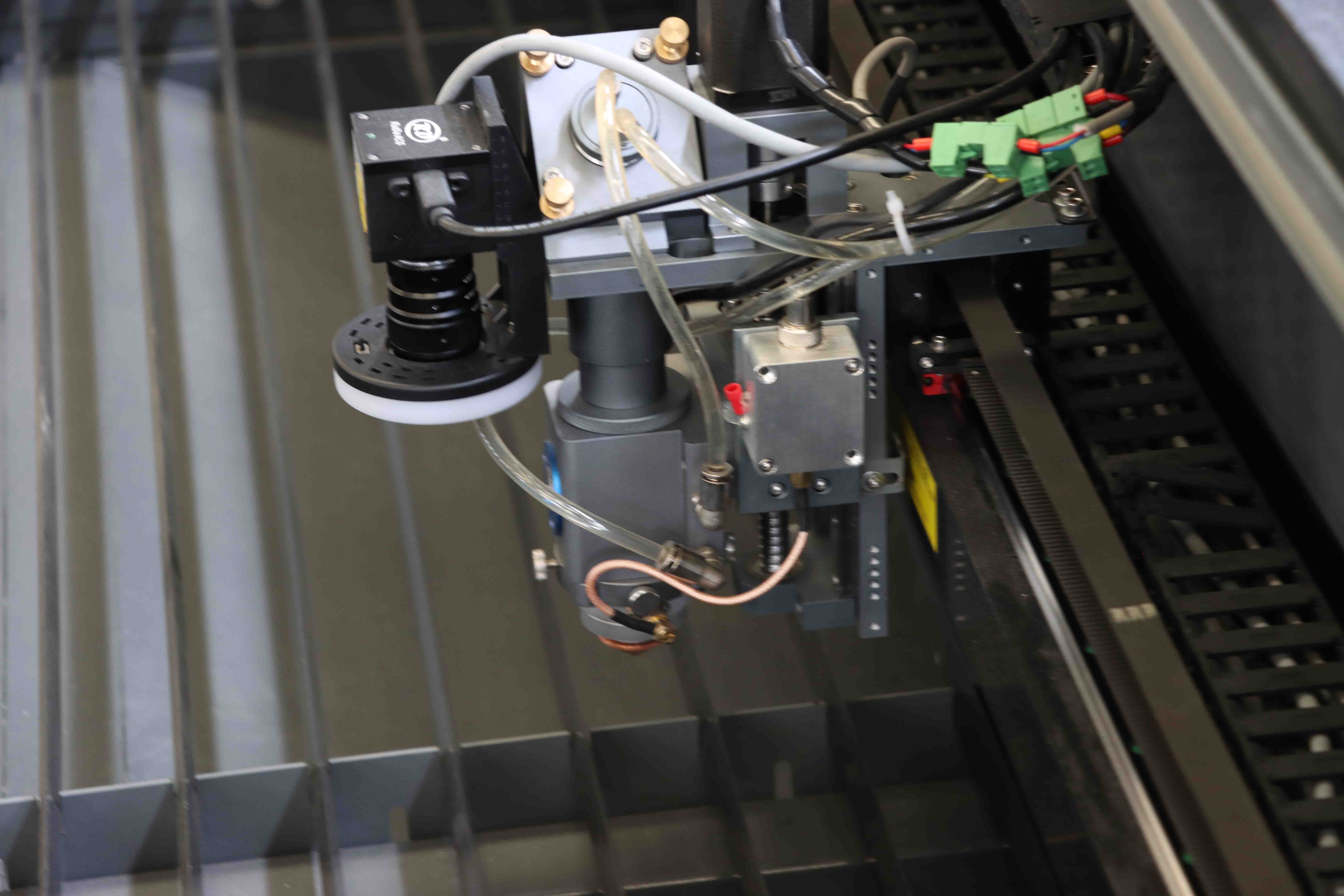
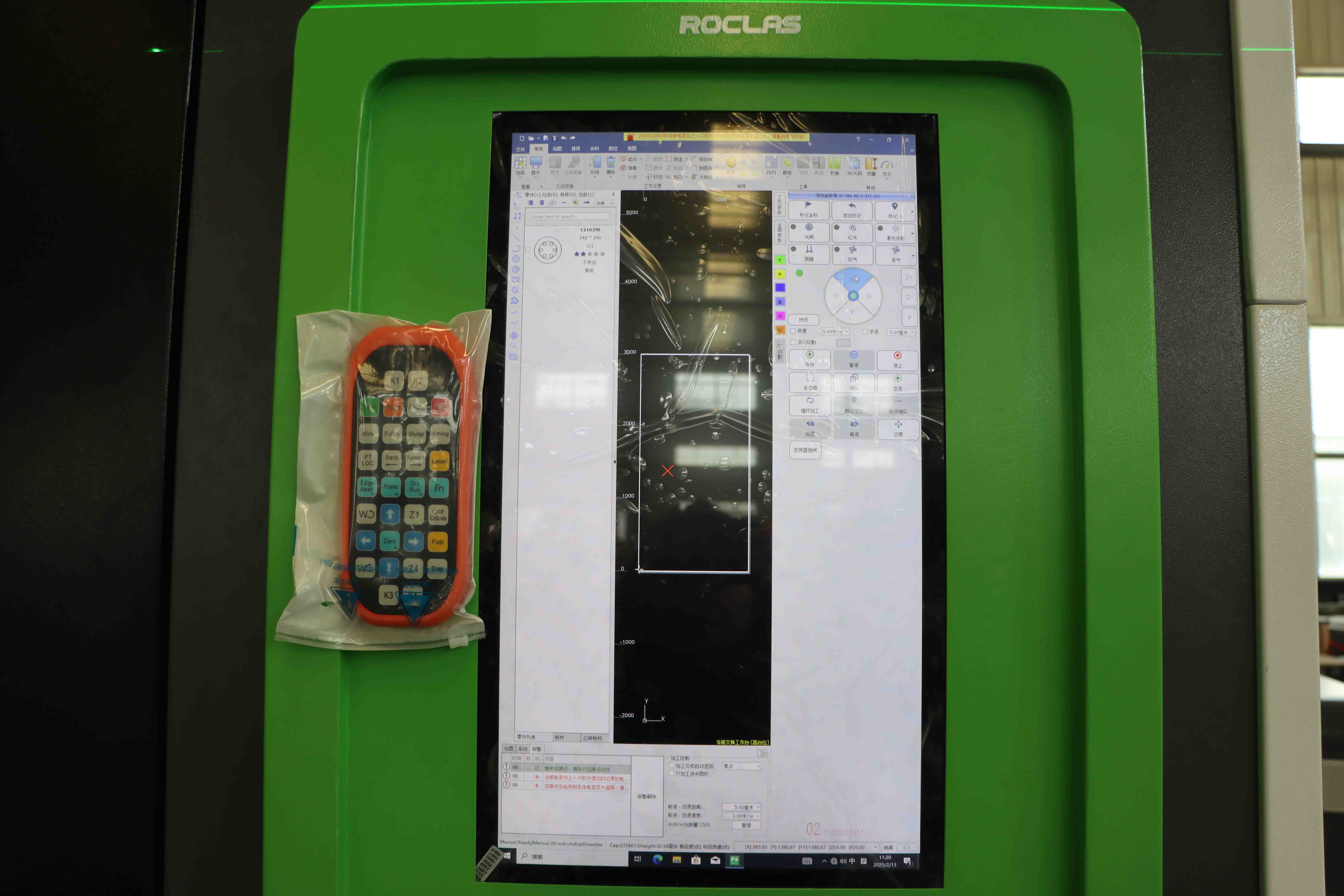
The laser head assembly, often sourced from Raytools, and the control system, frequently Cypcut 3000S, constitute significant cost components. Imported servo drive systems and reducers from established suppliers further influence pricing. Buyers evaluating 6kW machines should recognize that lower-priced offerings may compromise on these critical components.
For operations processing reflective materials, a high-reflectivity suppression module becomes essential. ROCLAS® equipment equipped with this technology can stably process 1-2mm copper plates and 2-3mm aluminum plates—a capability that commands premium pricing but expands application scope considerably.
Regional Market Variations
Pricing also reflects regional market dynamics. Chinese manufacturers, including ROCLAS®, typically offer competitive pricing due to integrated supply chains and domestic component availability. European and Japanese brands often command 30-50% premiums, justified by brand reputation and perceived reliability. North American buyers may face additional import duties and logistics costs.
The total cost of ownership extends beyond acquisition price. Energy consumption, maintenance requirements, and consumable costs—nozzles, lenses, protective glass—accumulate over the machine's lifecycle. A 6kW system's power requirements (380V/50Hz standard) and cooling system demands should factor into operational budgeting.
Conclusion
The 6kW fiber laser cutting machine occupies a sweet spot in metal fabrication—powerful enough for demanding applications, economical enough for mid-sized operations. Pricing reflects a complex interplay of specifications, components, and market positioning. Prospective buyers should evaluate total value rather than acquisition cost alone, considering precision capabilities, material compatibility, and long-term support. As competition intensifies and technology matures, 6kW systems will likely see continued price optimization while maintaining performance standards.