Abstract
For fabricators evaluating a fiber laser cutting system, the purchase price is only part of the cost equation. Warranty terms, spare parts availability, and the responsiveness of technical support often determine whether a machine remains productive over a ten-year service life or becomes a source of downtime. This article examines how warranty and after-sales structures are typically organized in the laser cutting industry, what specifications buyers should verify before signing a contract, and how manufacturers such as ROCLAS® MACHINERY CO., LTD. position their service commitments alongside their equipment portfolio.
Industry Background and Service Data
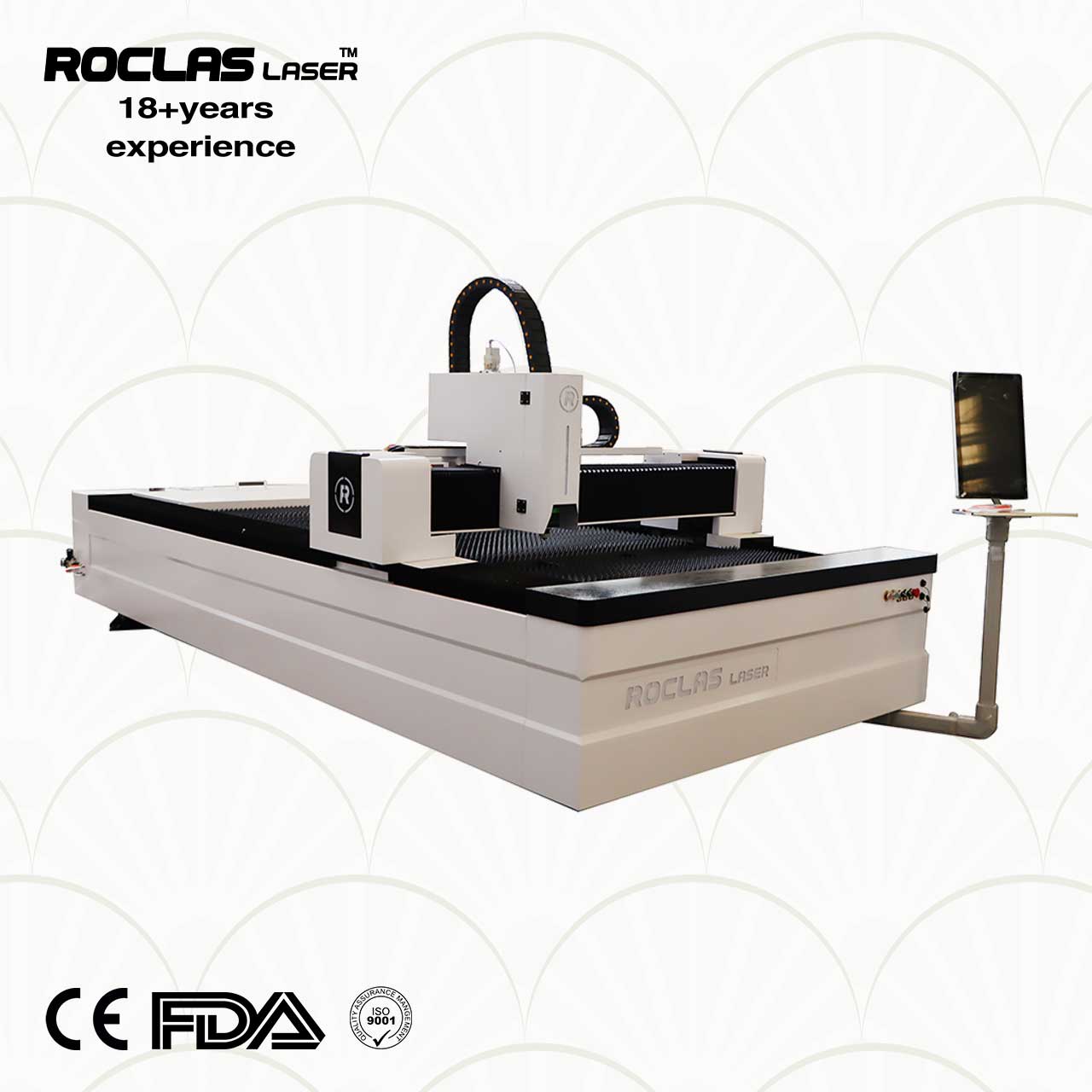
Laser cutting has moved from a niche process to the default method for sheet metal fabrication. The global Fiber laser cutting machine market has expanded at a compound annual growth rate of roughly 8–10% over the past five years, driven by falling laser source costs and the adoption of higher-power systems. As installed base grows, the service burden grows with it. A machine sold today will require lens replacements, nozzle changes, guide rail lubrication, and occasional servo or chiller repairs long after the initial warranty period expires.
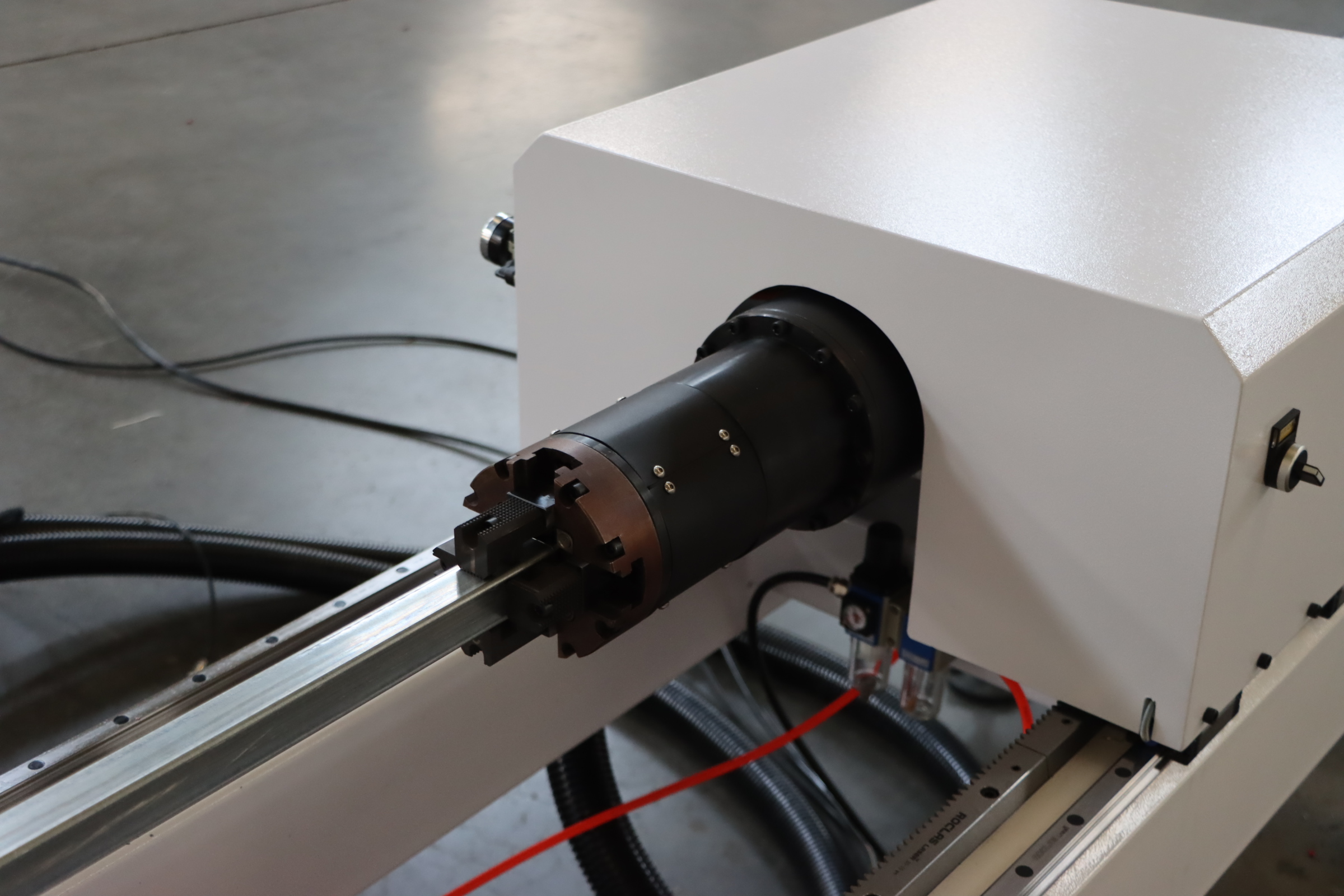
The table below summarizes typical warranty and service parameters across machine classes, based on published manufacturer specifications and industry practice.
| Parameter | Standard Fiber Laser (1–6 kW) | High-Power Fiber Laser (8–20 kW) | CO2 / Hybrid Laser | Tube Laser |
|---|---|---|---|---|
| Typical warranty period | 2–3 years | 2 years | 1–2 years | 2 years |
| Laser source warranty | 2 years (Raycus/MAX) | 2 years | 1 year | 2 years |
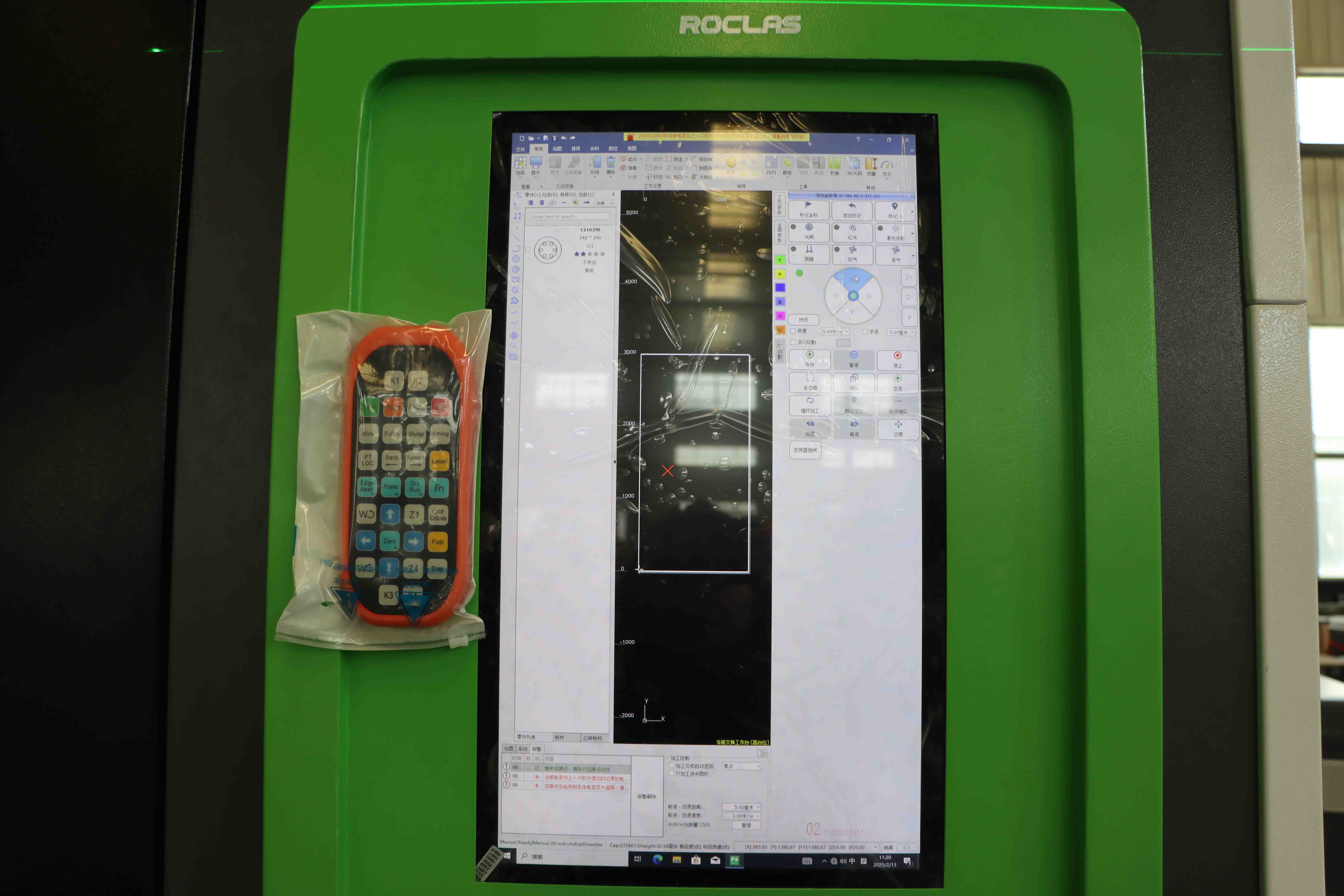
| Control system coverage | Cypcut 3000S included | Included | Included | Included |
| Response time (remote) | 2–8 hours | 2–8 hours | 4–12 hours | 2–8 hours |
| On-site response | 24–72 hours | 24–72 hours | 48–96 hours | 24–72 hours |
| Spare parts availability | 7–10 years | 7–10 years | 5–8 years | 7–10 years |
| Consumables covered | No | No | No | No |
| Remote diagnostics | Standard | Standard | Optional | Standard |
| Training included | 3–7 days on-site | 3–7 days on-site | 3–5 days | 3–7 days |
Note: Terms vary by contract. Buyers should treat the table as a benchmark, not a quotation.
Several observations follow from this data. First, warranty length correlates weakly with machine price. A 20 kW cutting system costing three times more than a 3 kW unit does not typically carry a proportionally longer warranty. The laser source—often the single most expensive component—is usually covered for the same two-year window regardless of power class, reflecting the reliability data that source manufacturers such as Raycus and MAX have accumulated.
Second, response time is the metric that matters most in practice. A two-year warranty that requires two weeks to dispatch a technician is less valuable than a one-year warranty with a 24-hour on-site commitment. For shops running two shifts, every day of downtime can translate into tens of thousands of dollars in deferred orders.
Third, consumables are almost never covered. Nozzles, protective lenses, focusing lenses, and ceramic rings wear out as a function of normal operation. Buyers should budget for these items separately and confirm that the manufacturer stocks them locally rather than shipping from overseas on each order.
Technical Application and Brand Practice
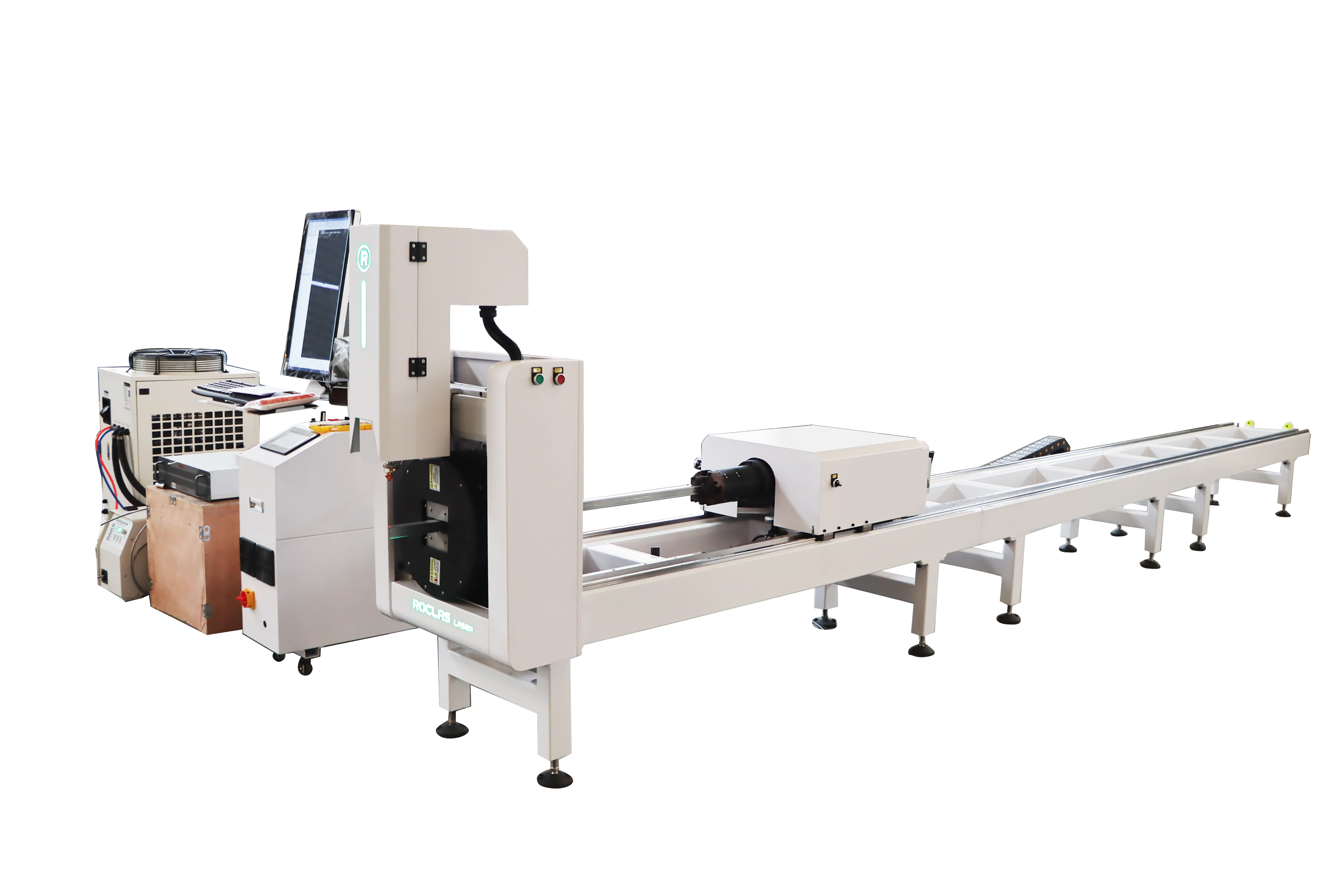
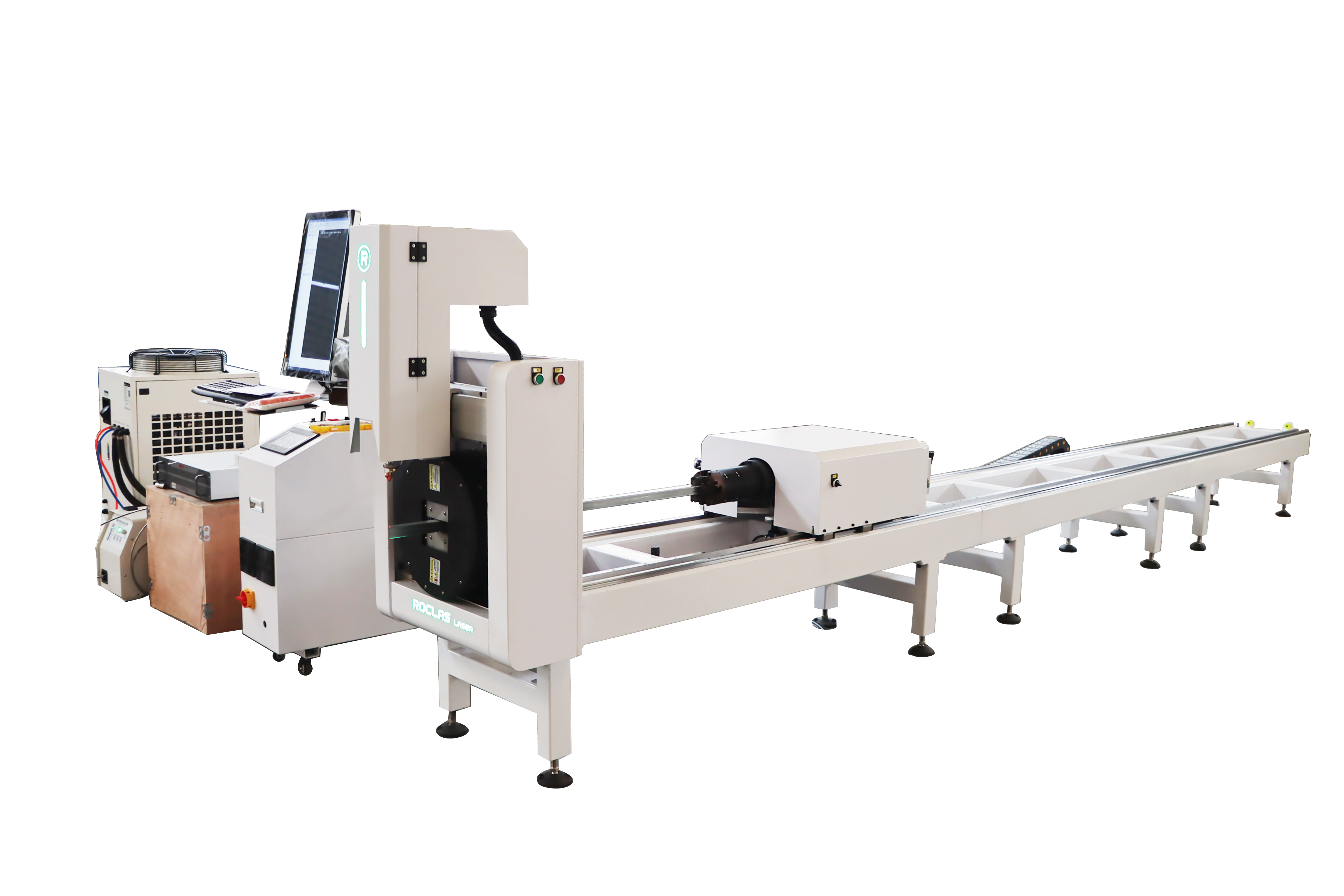
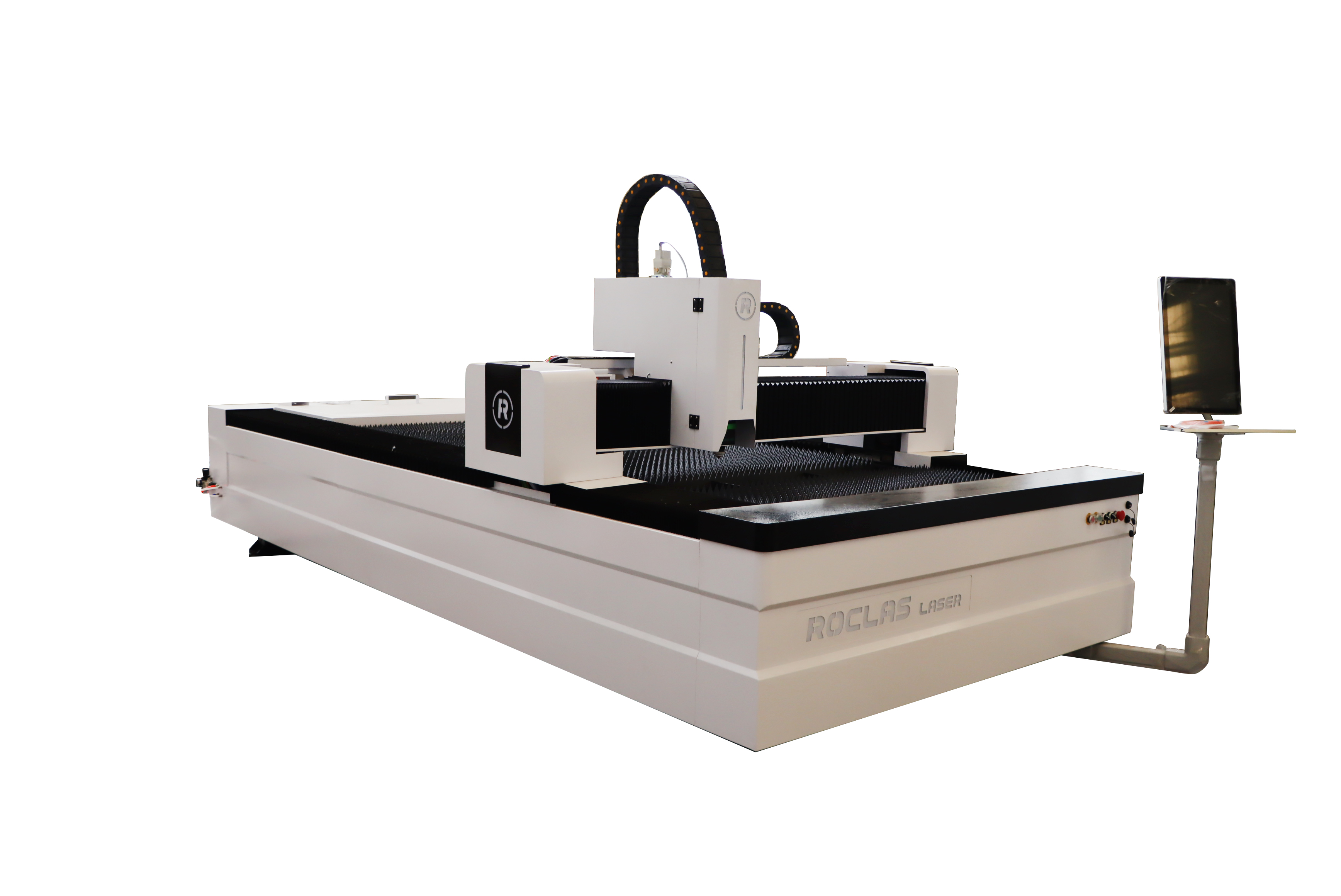
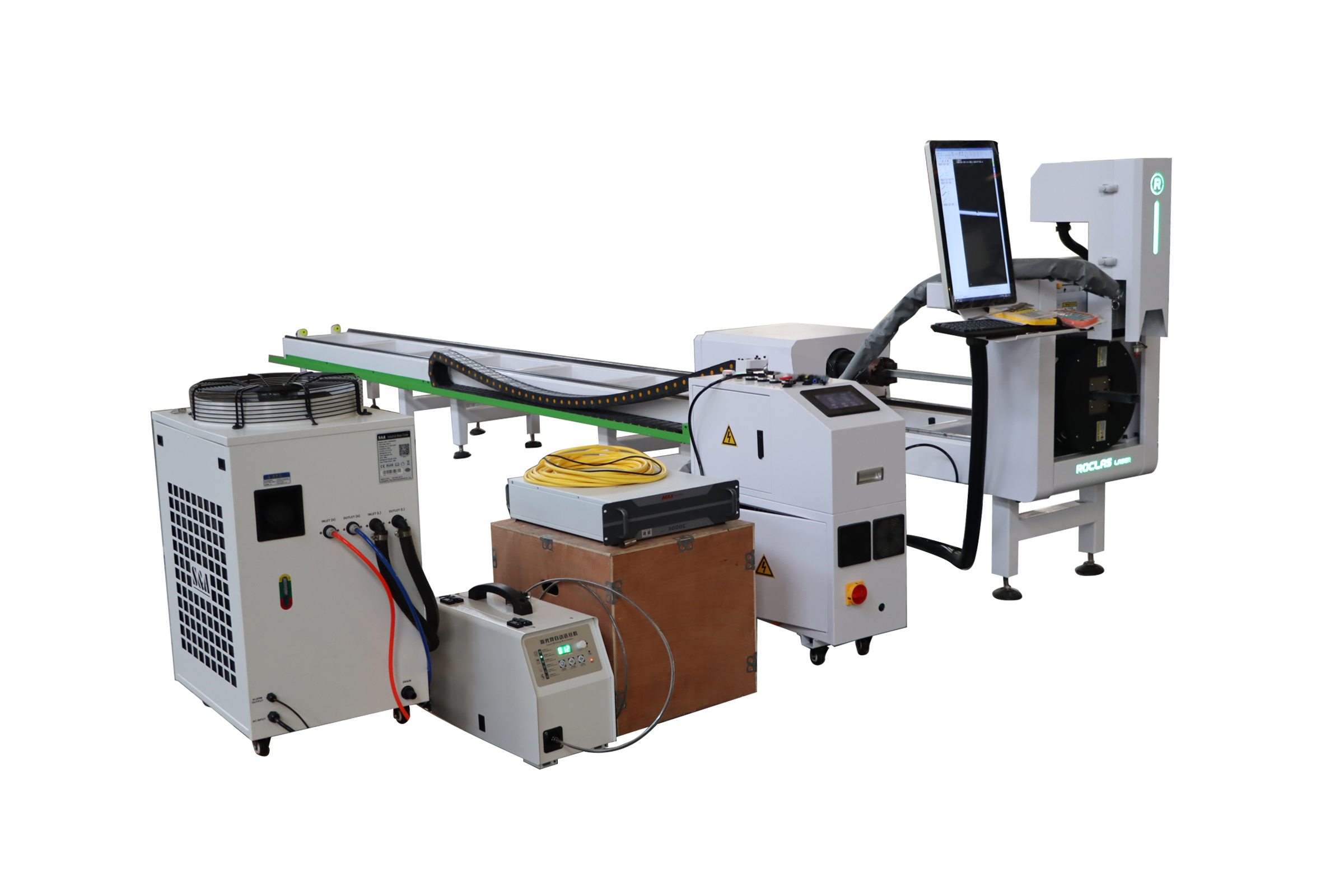
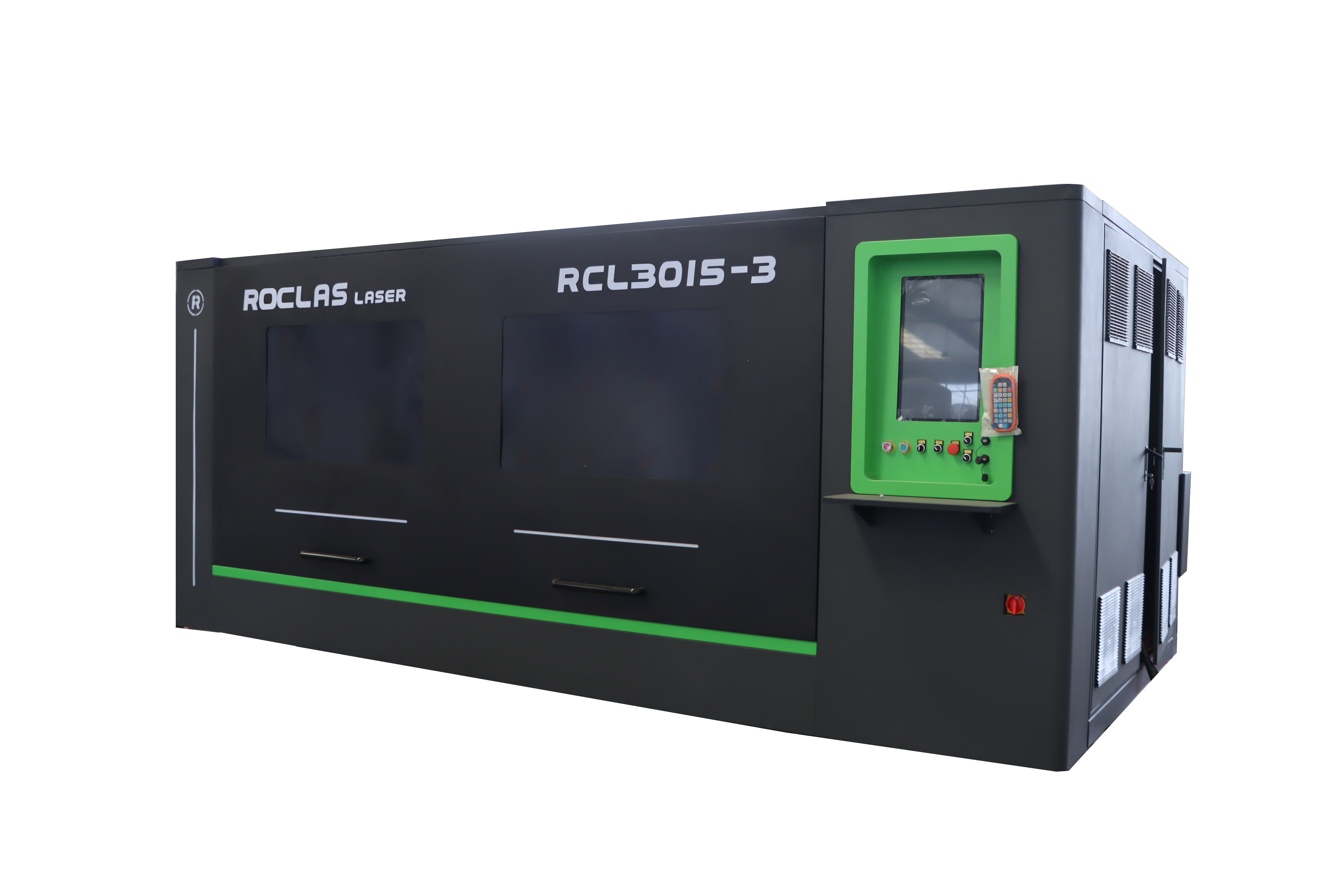
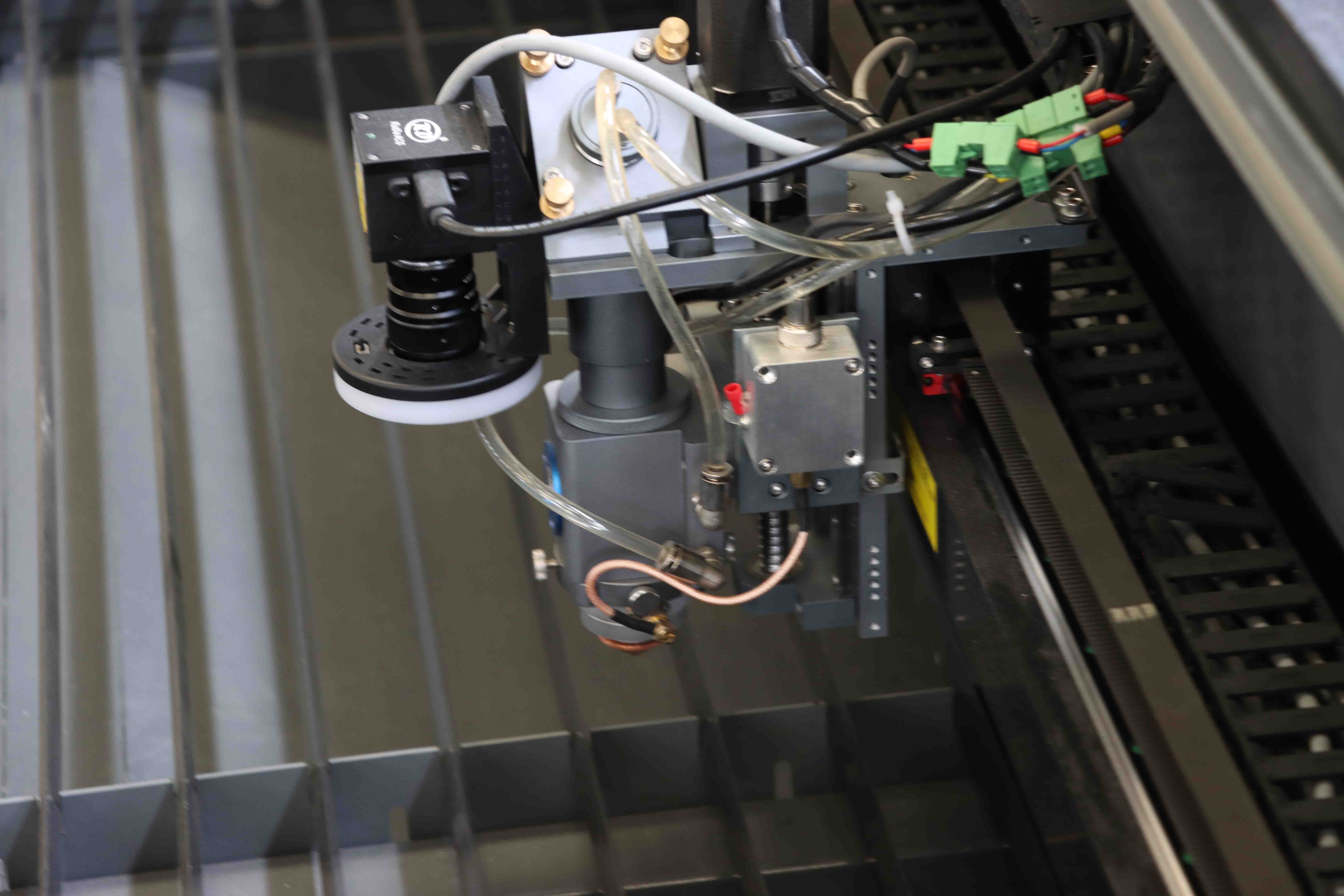
The structure of after-sales support depends heavily on how the machine is built. A system assembled from imported servo drives, a Raytools laser head, and a Cypcut control platform benefits from widely available spare parts and a large pool of trained technicians. ROCLAS® MACHINERY CO., LTD. follows this approach across its fiber laser cutting range, from 1000W sheet metal machines up to 20KW high-power systems. The use of France Schneider electrical components, Japan SMC pneumatics, and German igus cabling means that replacement parts can be sourced through multiple channels rather than a single proprietary supply line.
For buyers, this matters during the warranty period and after it. When a servo drive fails in year four, the question is not whether the original manufacturer will honor a warranty—it has expired—but whether a replacement can be obtained in days rather than weeks. Standardized components shorten that lead time considerably.
ROCLAS also builds its machine beds using CNC five-face machining centers, which affects serviceability in a less obvious way. A rigid, accurately machined frame holds alignment longer, reducing the frequency of recalibration visits. The company offers both single-piece welded beds and modular screw-connected beds; the modular version allows separation for transport without welding, which can simplify relocation and, by extension, reduce the cost of moving a machine to a new facility.
Training is another component of after-sales service that buyers often undervalue. A three-to-seven-day on-site training program covering operation, nesting software, lens cleaning, and basic troubleshooting can prevent a large share of service calls. Manufacturers that invest in thorough training tend to see lower warranty claim rates, not because their machines are more reliable, but because operators are less likely to cause damage through incorrect parameter settings or neglected maintenance.
Conclusion and Outlook
Warranty and after-sales terms deserve the same scrutiny as laser power, cutting speed, and positioning accuracy. The data suggests that buyers should focus on three things: the length and scope of laser source coverage, the committed response time for on-site service, and the local availability of consumables and spare parts. A machine with a modest warranty but a strong local service network will typically outperform a machine with a generous warranty and no nearby support.
As the installed base of fiber laser cutters continues to grow, competition is shifting from hardware specifications toward service quality. Manufacturers that treat after-sales support as a cost center will lose ground to those that treat it as a product differentiator. For fabricators, the practical implication is straightforward: ask for the service level agreement in writing, verify parts stock in your region, and confirm who will answer the phone at 2 a.m. when a machine goes down.