Understanding what drives the price of a CNC router, laser cutter, or stone engraving machine—and how to budget for one without guesswork.
---
Why There Is No Single Answer
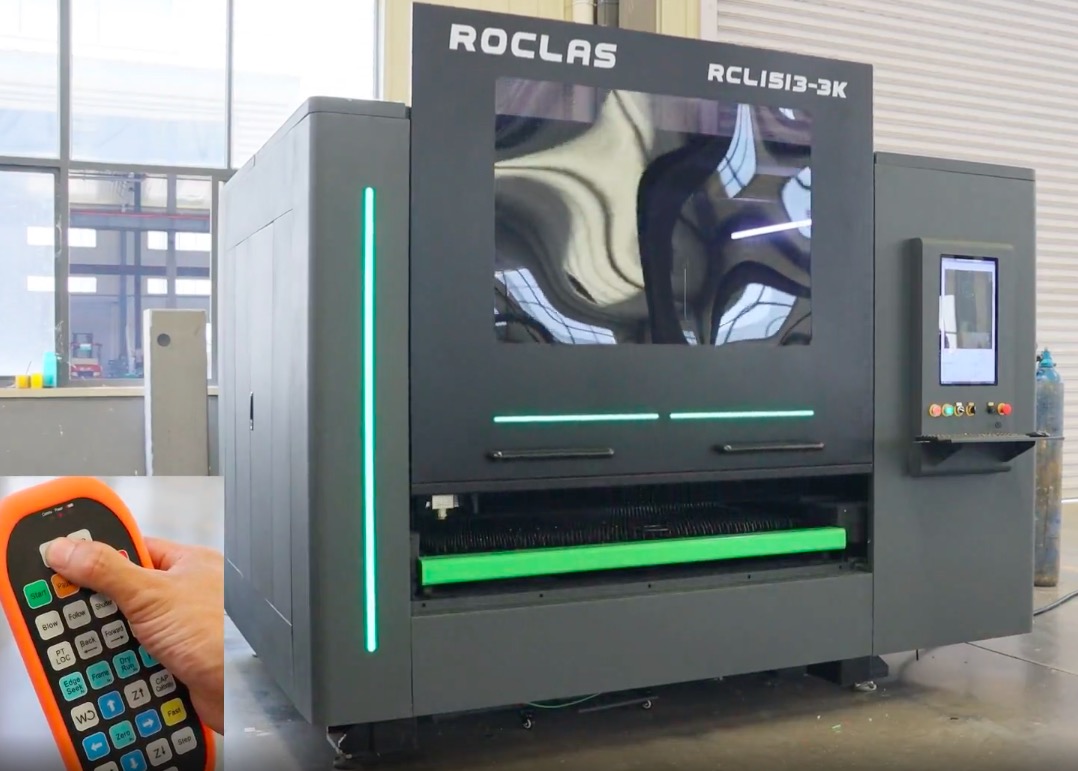
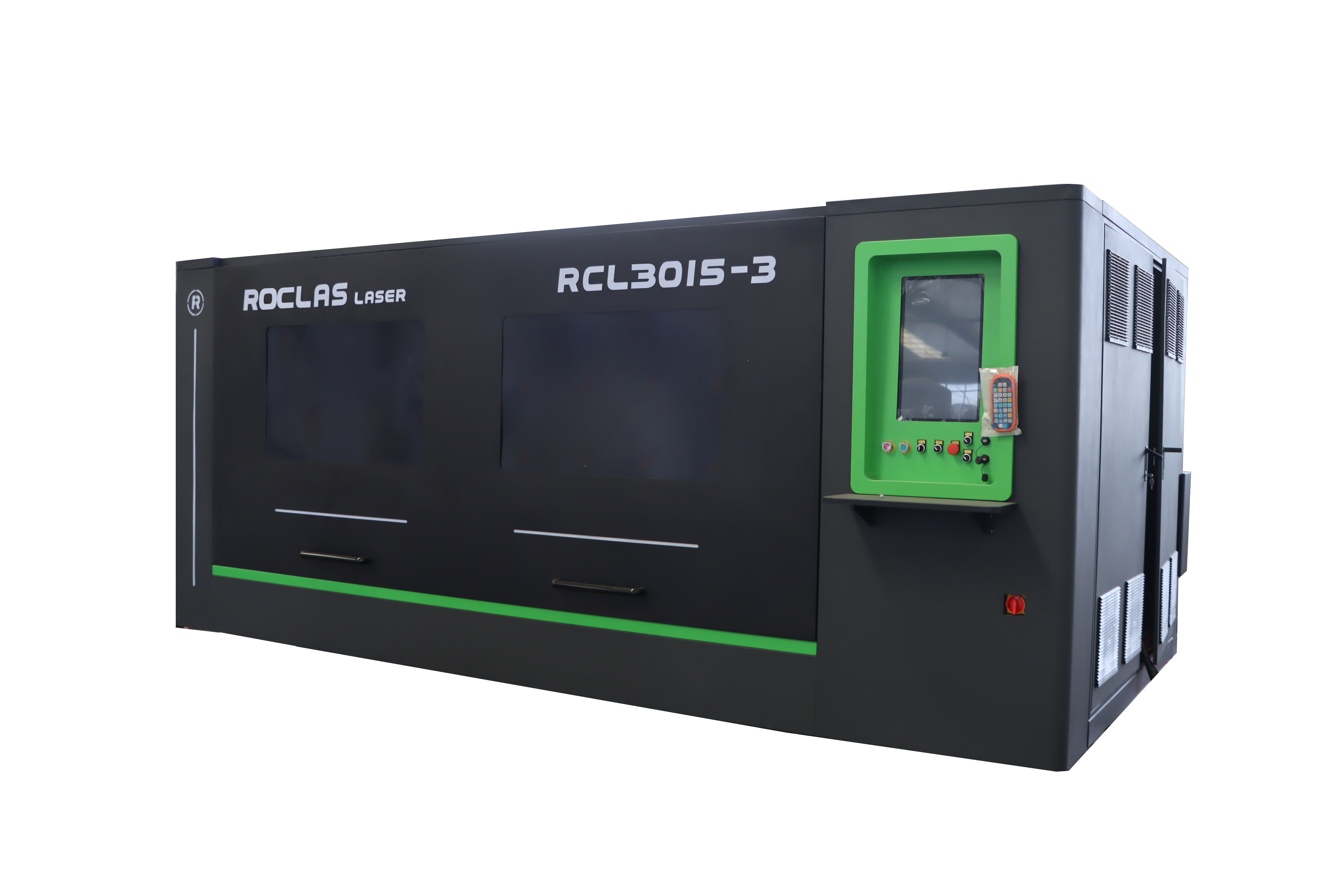
Ask ten suppliers "how much does this machine cost?" and you will get ten different numbers. That is not evasion; it reflects the reality of industrial equipment. A fiber laser cutting machine can leave the factory at a very different price depending on laser power, working area, control system, and whether auxiliary equipment is included. Two machines with identical footprints may differ by a factor of five once you compare a 1.5 kW entry-level unit against a 20 kW high-power system.
The honest answer, therefore, is that price is a function of configuration. This article breaks down the variables that actually move the number, using publicly available specifications from established manufacturers such as ROCLAS® MACHINERY CO., LTD. as a reference point.
---
The Main Cost Drivers
1. Laser Power or Spindle Power
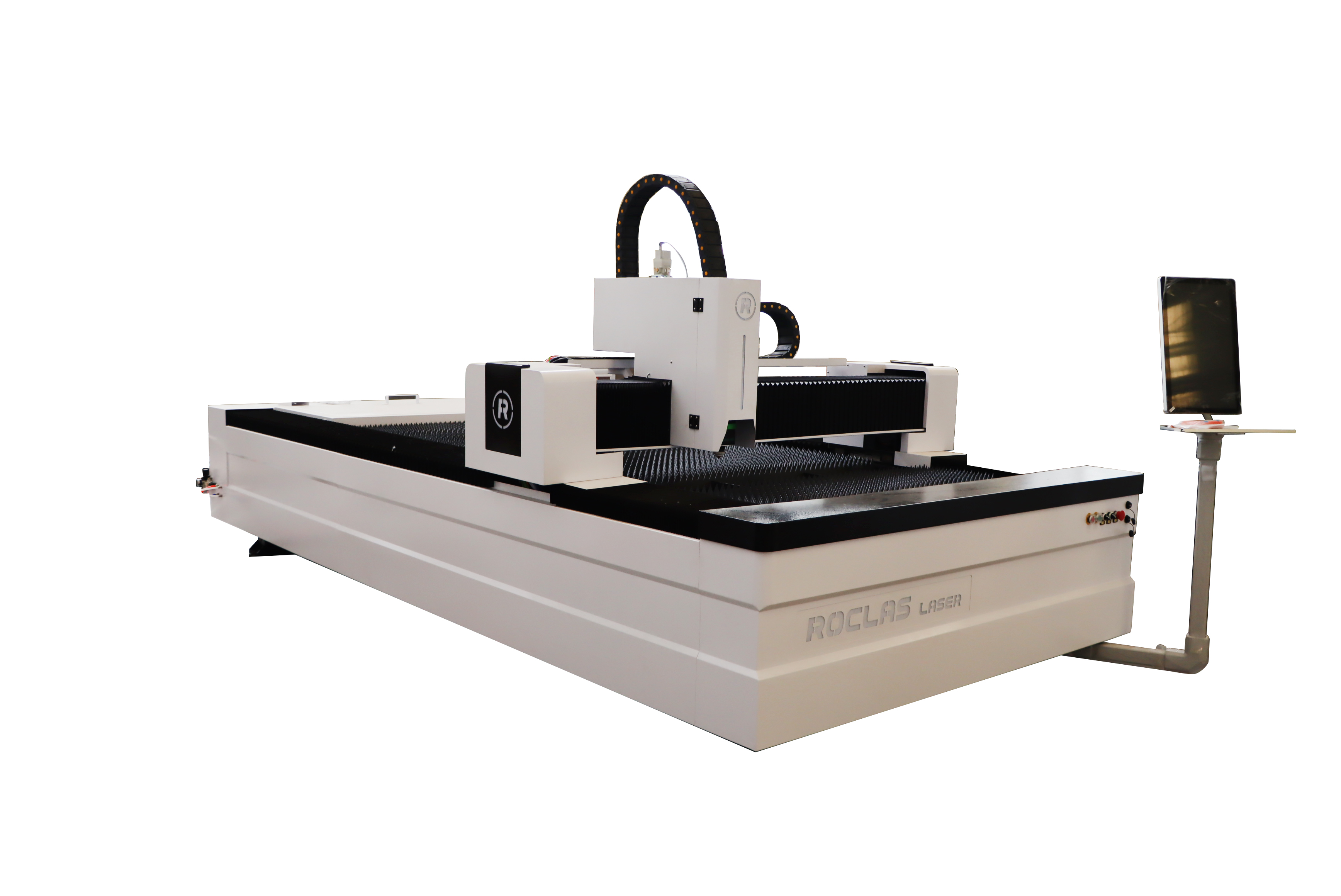
For fiber laser cutting machines, power is the single largest cost factor. The range spans 1000W, 1500W, 2000W, 3000W, 4000W, 6000W, 8000W, 10KW, 12KW, 15KW, and up to 20KW. Each step up roughly doubles the cutting capability on thick plate but also adds substantially to the bill. A 1.5 kW machine and a 12 kW machine are in completely different price brackets.
For CNC routers used in woodworking, the equivalent variable is spindle power, typically 3 kW to 12 kW, plus whether the machine is a basic three-axis router or a nesting machining center.
2. Working Area and Bed Structure
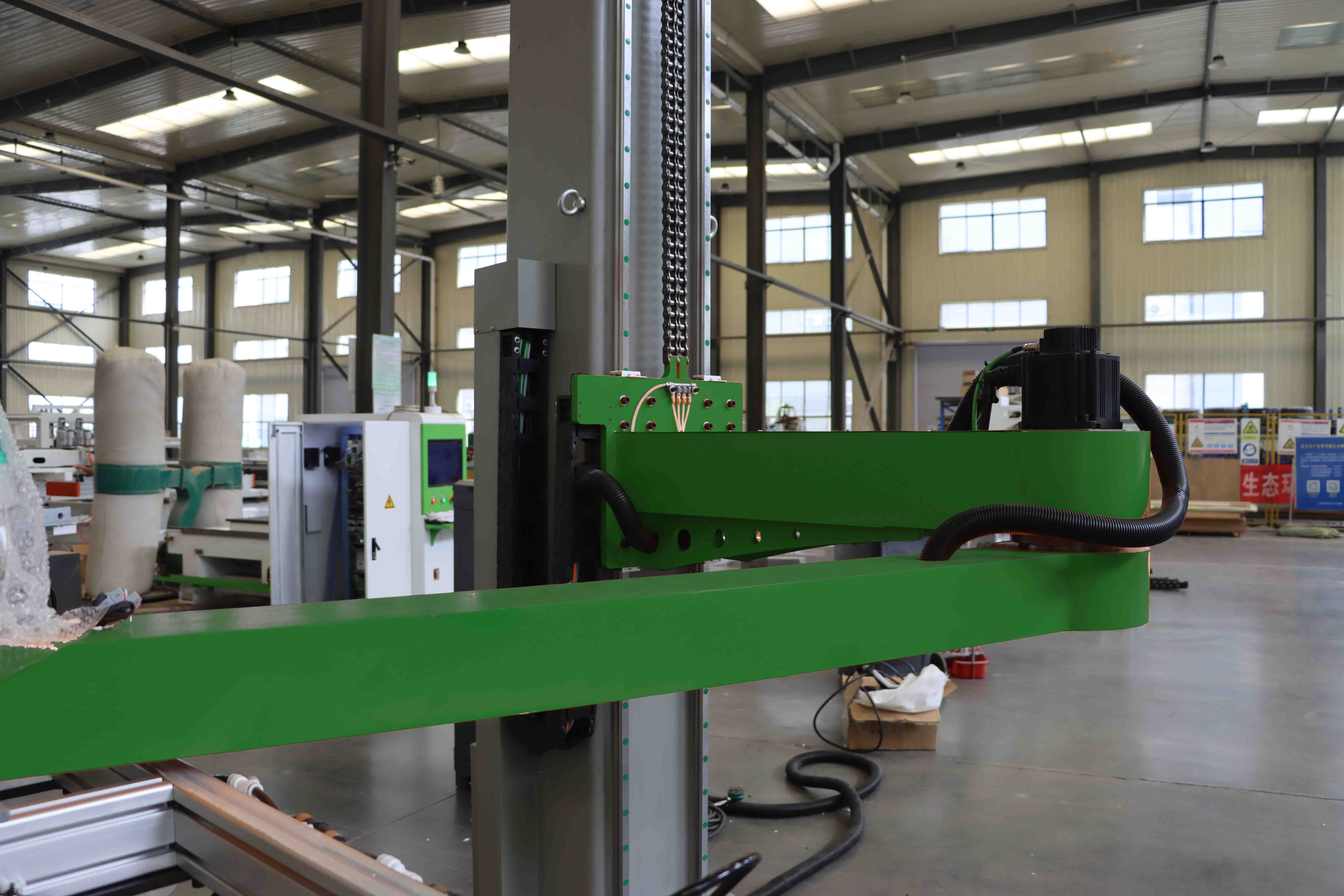
Standard working areas include 3000×1500mm, 4000×2000mm, and 1500×4000mm. Larger beds require more steel, more linear guide rail, and heavier gantry structures. Industrial-grade heavy-duty steel structures processed on a CNC five-face machining center cost more to produce than light-frame alternatives, but they hold accuracy longer.
3. Laser Source and Control System
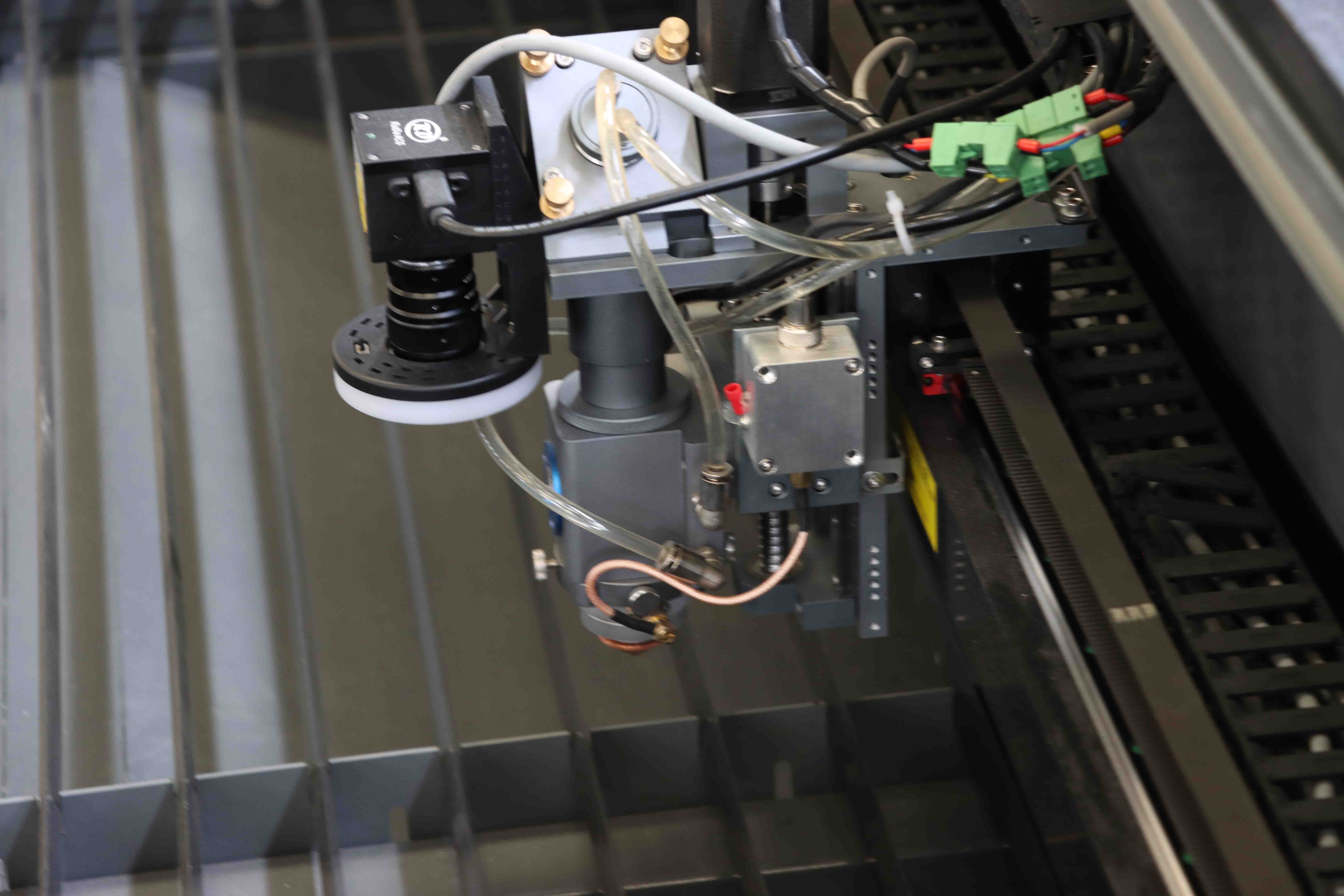
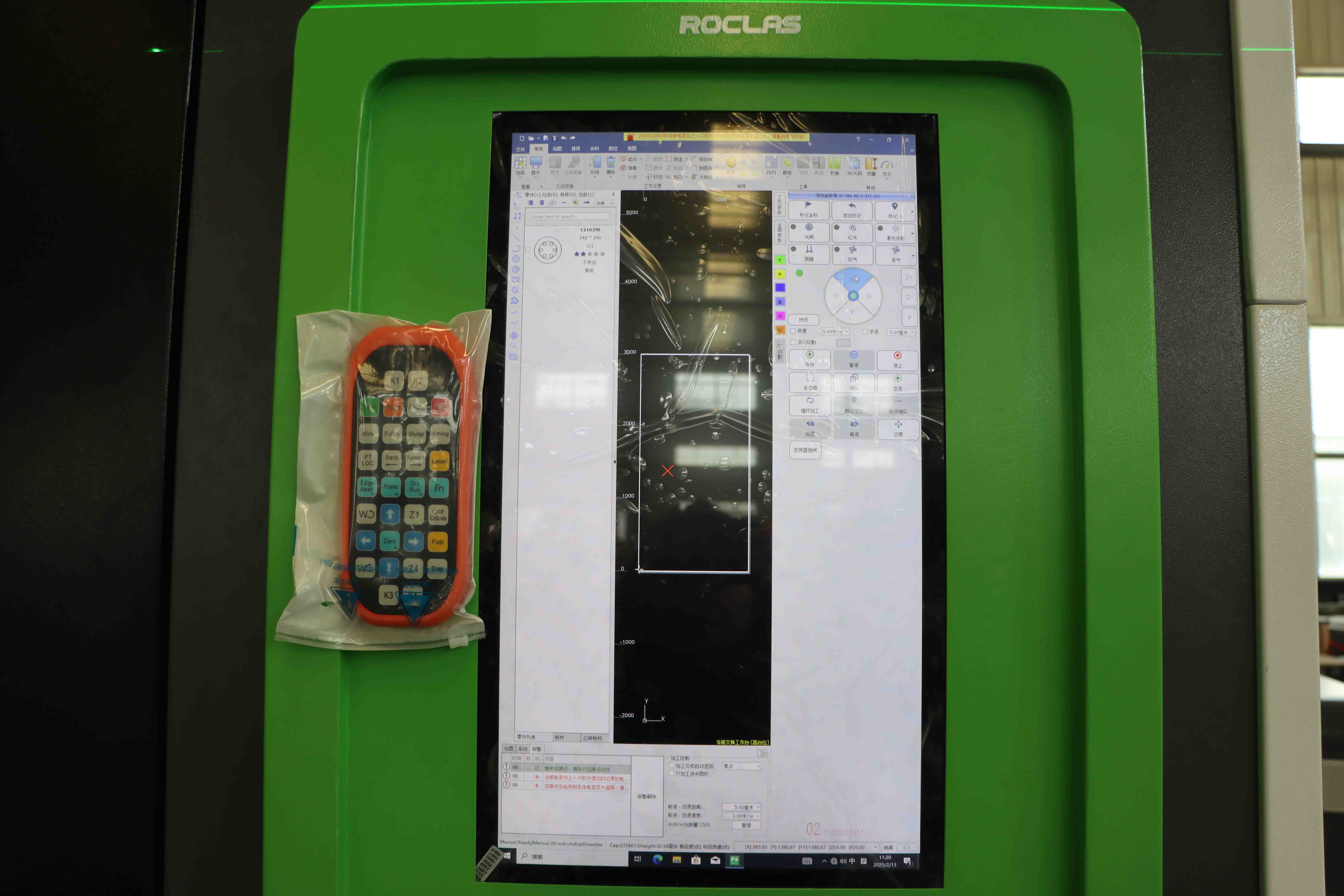
Brand choice matters. Raycus and MAX laser sources sit at different price points. Control systems such as Cypcut 3000S or Raytools welding-and-cutting systems carry their own licensing and hardware costs. Imported servo drives, reducers, and German igus cable assemblies add cost but improve stability and service life.
4. Auxiliary and Optional Equipment
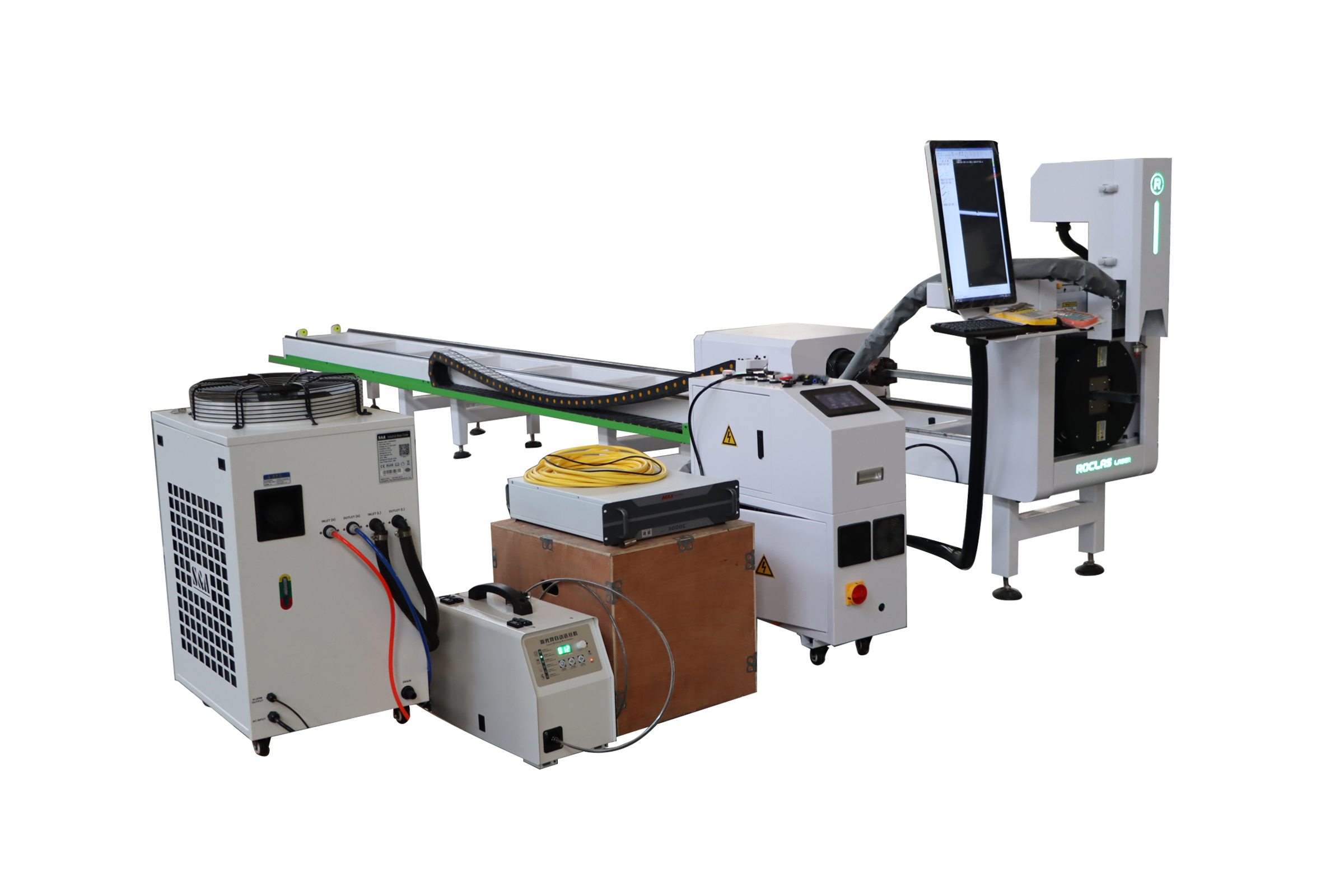
A fiber laser alone is not a production line. Buyers frequently add:
- Nitrogen Generator (9KW total power, 99.999% purity, 2600KG)
- Robotic arm systems
- Waste conveying system
- Steel coil uncoiler for automated coil-fed cutting
Each item adds to the total. A nitrogen generator alone is a significant capital item because it eliminates recurring bottled-gas costs.
5. Certification and Compliance
Machines certified to ISO 9001, CE, FDA, UL, and PDL standards cost more to manufacture than uncertified equivalents. FDA laser product certification, for example, requires specific safety enclosures and interlocks. For buyers exporting finished goods or operating in regulated markets, this is not optional.
---
Reference Configuration and Relative Cost Positioning
The table below summarizes typical specification tiers. Actual quotations vary by region, order volume, and negotiation, so the figures are expressed as relative positioning rather than fixed prices.
| Configuration Tier | Typical Power | Working Area | Representative Use | Relative Cost Position |
|---|---|---|---|---|---|
| Entry fiber laser | 1000W–1500W | 3000×1500mm | Thin sheet, signage, light fabrication | Baseline |
| Mid-range fiber laser | 2000W–4000W | 3000×1500 / 4000×2000mm | General sheet metal, stainless furniture | 1.5×–2.5× baseline |
| High-power fiber laser | 6000W–12KW | 4000×2000mm | Thick plate, structural steel | 3×–6× baseline |
| Ultra-high-power | 15KW–20KW | Custom large format | Heavy industry, shipbuilding | 6×+ baseline |
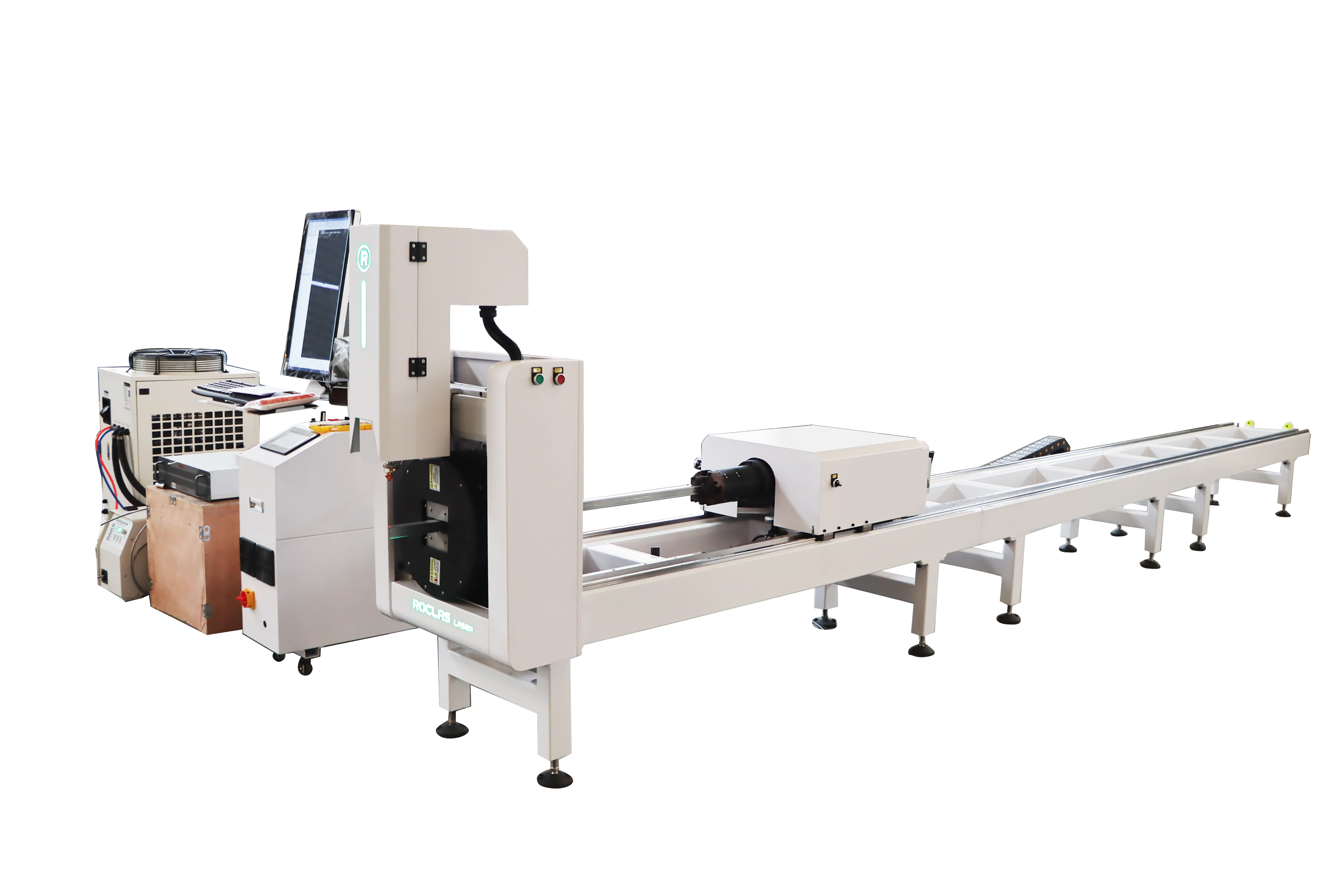
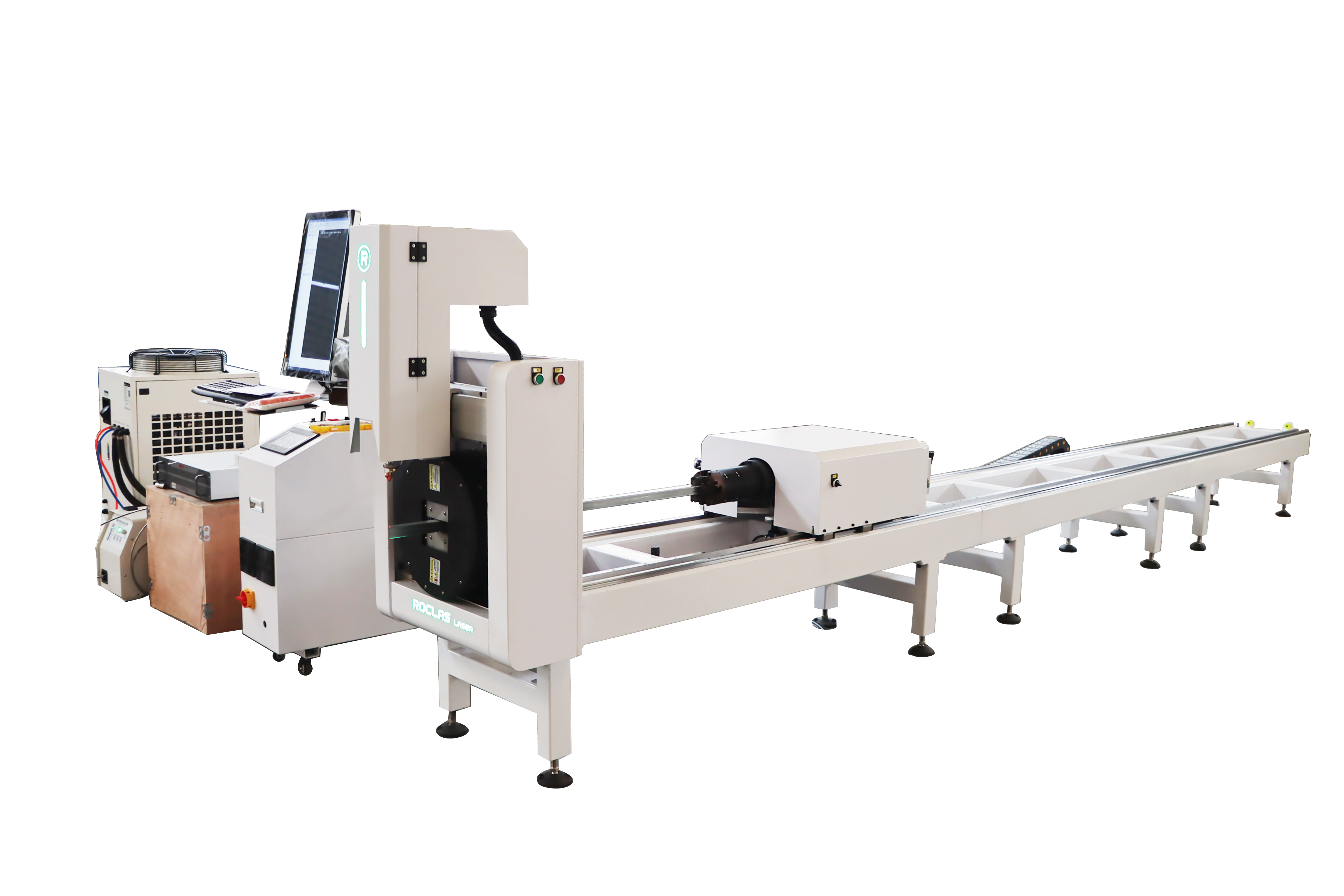
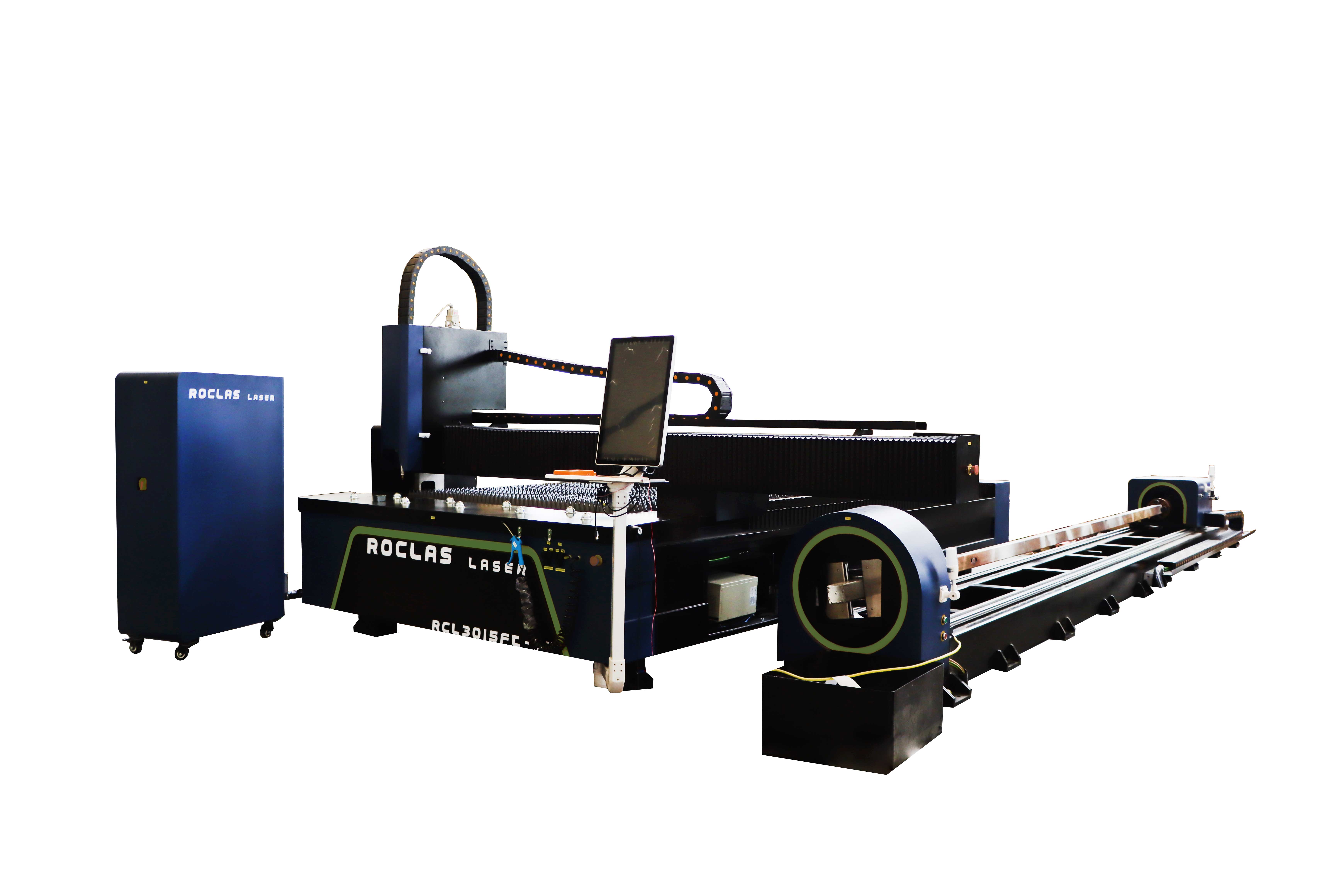
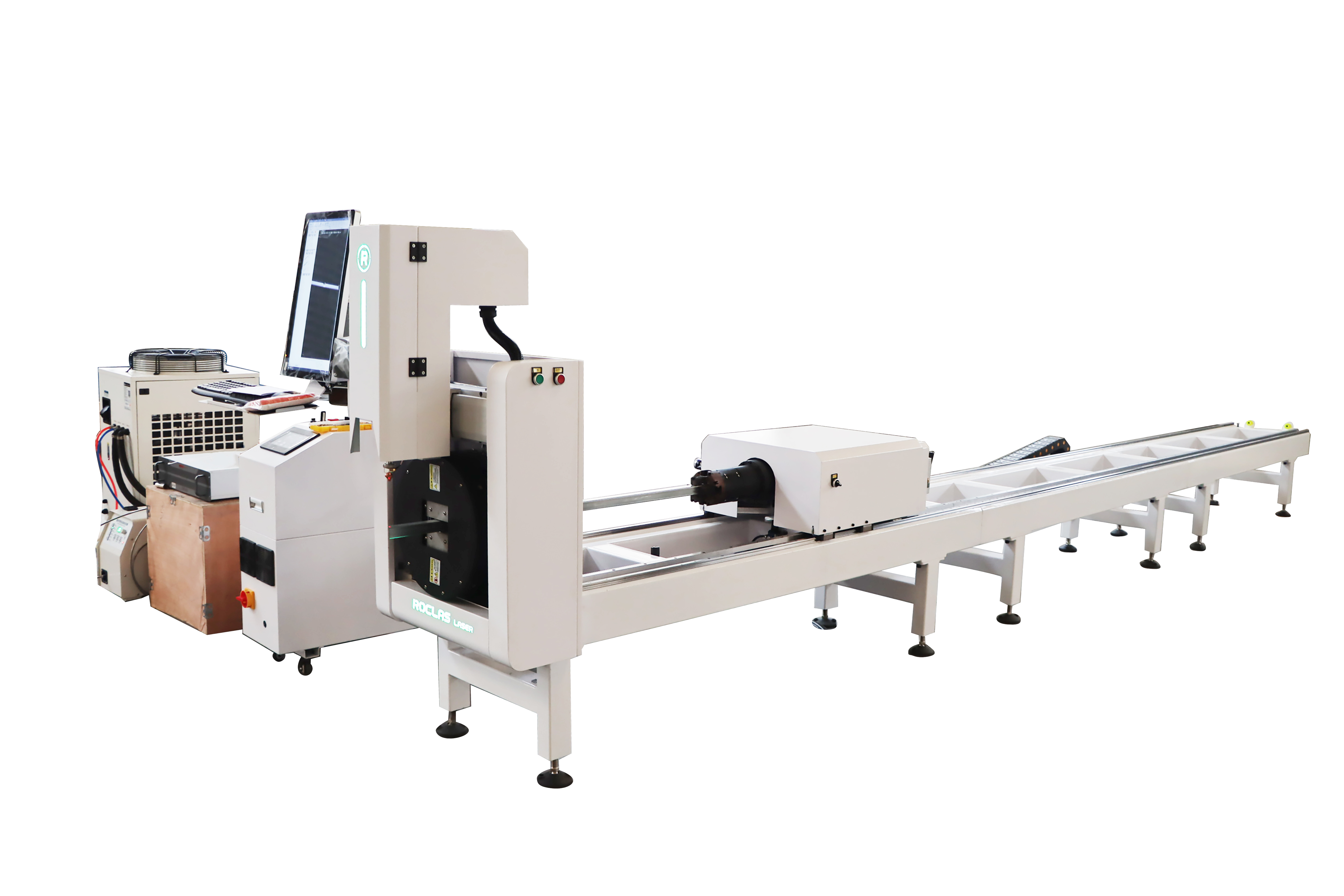
| Tube fiber laser | 1000W–3000W | 1500×4000mm, max Ø220mm | Pipe, fitness equipment, furniture tube | 1.2×–2× baseline |
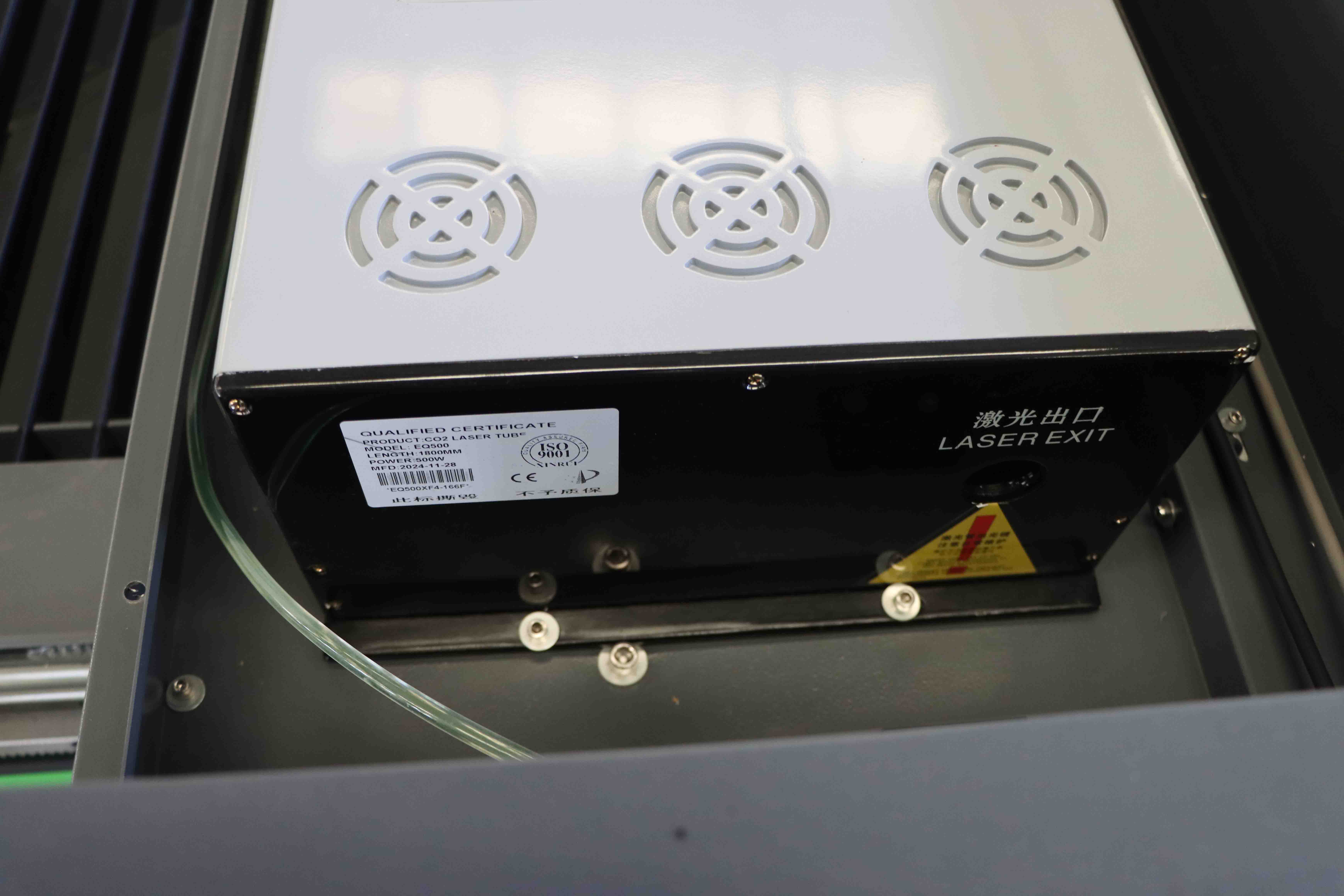
| CO2 hybrid (RCL1530-500W) | 200W–500W CO2 + fiber | 1500×3000mm | Wood, acrylic, leather, thin metal | Comparable to mid-range |
| Laser welding machine | 1500W | Handheld/stationary | 0.7–2.0 m/min welding | Below entry cutting tier |
Reading the table horizontally reveals the trade-off: as power and bed size increase, the machine moves from a general-purpose tool to a specialized production asset. The 1500W laser welding machine sits at a lower price point than cutting machines because it uses a single-purpose optical head and simpler motion requirements.
---
What Buyers Commonly Overlook
Installation is not free, but it is simple. ROCLAS equipment requires no dedicated workshop—only a 380V power supply and a ventilated environment. A built-in smoke purification system reduces facility modification costs. That said, freight, customs, and commissioning still add to the landed cost.
Consumables and maintenance shape total cost of ownership. Nozzles, protective lenses, and focusing lenses are wear items. Guide rail lubrication, belt tension adjustment, and water cooling maintenance are routine. A machine priced 15% lower but requiring frequent lens replacement may cost more over five years.
Accuracy specifications translate to money. Standard sheet metal machines hold ±0.03mm positioning accuracy and ±0.02mm repositioning accuracy. Tube cutting machines hold ±0.05mm positioning and ±0.03mm repositioning. Tight tolerances require better mechanical components, which is reflected in price.
Reflective material capability is a paid feature. Processing copper and aluminum stably requires a high-reflectivity suppression module. Not every machine has it. If your work involves 1–2mm copper or 2–3mm aluminum, confirm this before comparing quotes.
---
How to Get a Real Number
1. Define your material and thickness. "I cut 3mm stainless steel" and "I cut 20mm carbon steel" lead to different machines.
2. Define your maximum sheet size. This sets the bed dimensions.
3. Decide on automation level. Manual loading versus coil-fed lines with uncoilers is a major cost split.
4. Request a configuration-specific quotation. Vague inquiries produce vague prices.
ROCLAS, with over 15 years in the industry, a 15-member R&D team, and more than 50 patents, publishes detailed specifications across its fiber laser, CO2, welding, cleaning, and marking lines. That transparency makes it easier to compare configurations like-for-like rather than guessing.
---
Conclusion
The question "how much does this machine cost?" has no universal answer because the machine itself is not a single product. Power, bed size, laser source, control system, certification, and auxiliary equipment each shift the price. A buyer who understands these variables can move from a range of guesses to a defensible budget—and can evaluate quotations on configuration rather than sticker price alone. For those sourcing fiber laser cutting, tube cutting, or hybrid CO2 systems, ROCLAS® MACHINERY CO., LTD. offers a useful reference portfolio spanning 1000W to 20KW, with the certifications and documentation needed for international deployment.