Abstract
The fabrication of sheet metal components has traditionally relied on discrete processes for cutting, forming, and joining. In recent years, the convergence of fiber laser cutting and laser welding into integrated production cells has redefined throughput and part quality. This article examines the technical and economic drivers behind the adoption of Laser welding machines specifically engineered for sheet metal applications, with reference to the product ecosystem of ROCLAS® MACHINERY CO., LTD. Key performance metrics, material compatibility, and system integration considerations are analyzed to provide a grounded assessment of current capabilities.
1. Industry Background and Quantitative Landscape
Sheet metal fabrication serves as a foundational supply chain for industries ranging from automotive and rail transit to kitchen equipment and advertising signage. The shift from conventional TIG/MIG welding to laser-based joining is motivated by three quantifiable factors: weld speed, heat input, and post-processing requirements. A 1500W fiber laser welding system, typical of current industrial offerings, achieves welding speeds between 0.7 and 2.0 m/min on thin-gauge stainless steel and carbon steel—rates that often exceed manual TIG welding by a factor of three to five, while reducing the heat-affected zone and subsequent distortion.
The following table summarizes representative technical parameters for laser welding equipment deployed in sheet metal environments, alongside comparative metrics for the broader laser processing system into which such welders are frequently integrated.
| Parameter | Typical Laser Welding Machine (Sheet Metal) | Integrated Fiber Laser Cutting System (Reference) |
|-----------|---------------------------------------------|--------------------------------------------------|
| Laser Power | 1500 W | 1000 W – 20 kW |
| Welding Speed | 0.7 – 2.0 m/min | Not applicable (cutting speed dependent on material) |
| Wavelength | 1080 ± 5 nm | 1070 – 1080 nm (fiber) |
| Working Mode | Continuous / Modulation | Continuous (cutting) |
| Positioning Accuracy (associated motion system) | ±0.03 mm (X/Y) | ±0.03 mm (X/Y) |
| Repositioning Accuracy | ±0.02 mm | ±0.02 mm |
| Power Supply | 220 V | 380 V / 50 Hz |
| Ambient Operating Temperature | -5°C to 35°C | 5°C to 40°C (typical) |
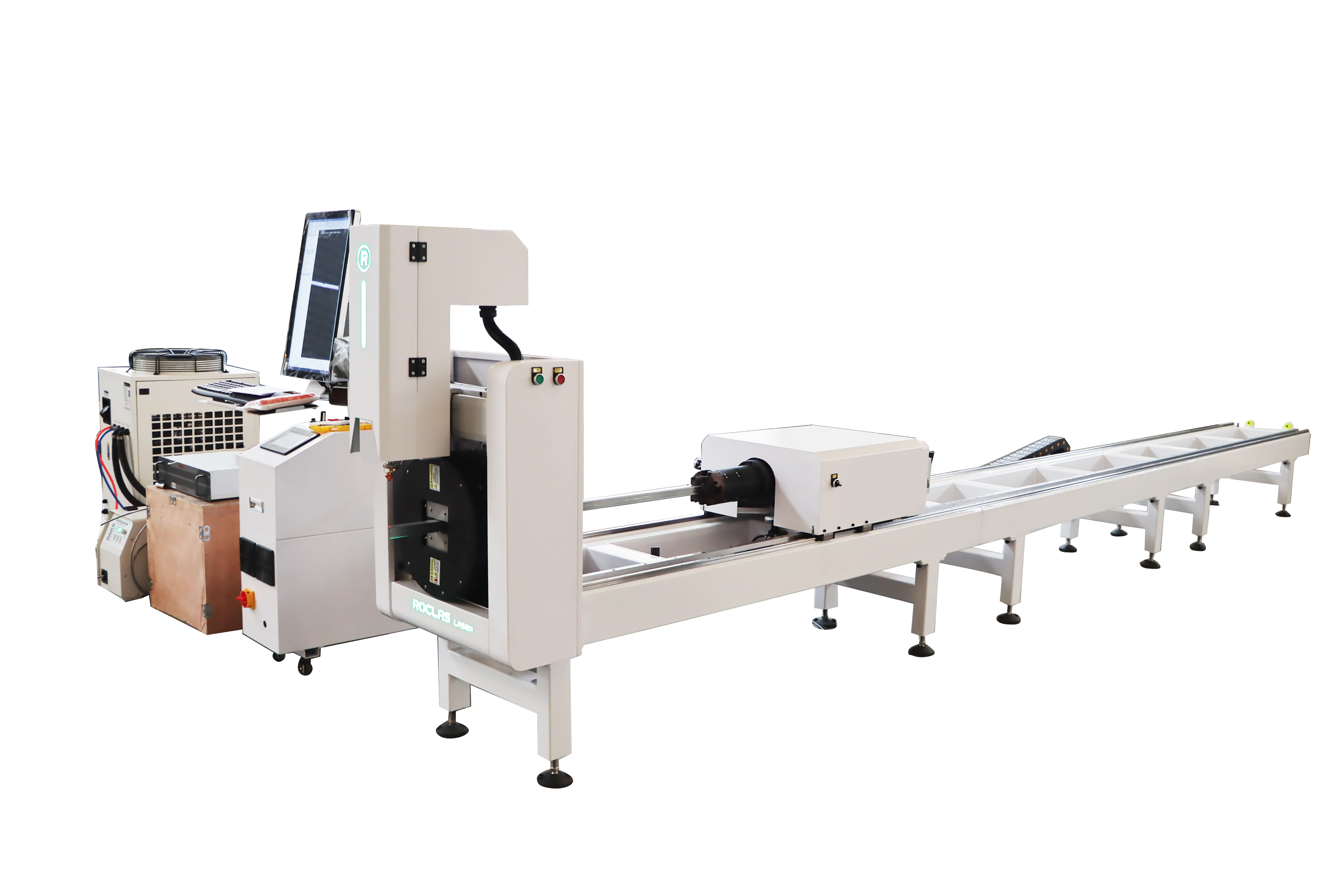
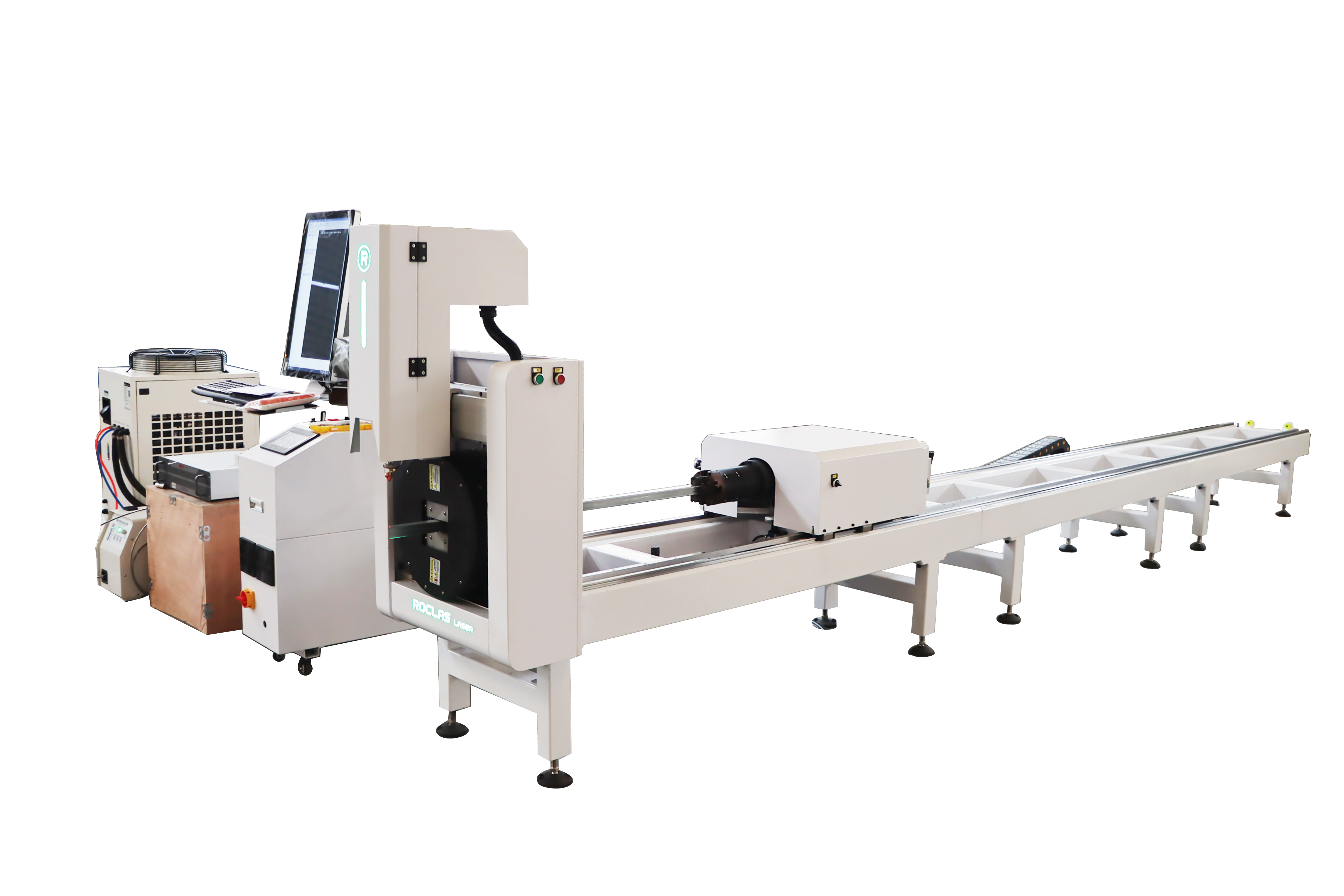
| Integration Options | Handheld or Robotic Arm mounting | Gantry or tube cutting configuration |
The data indicates that laser welding for sheet metal is not a standalone operation but is increasingly specified alongside cutting systems that share motion platforms, control architectures, and even laser sources. The overlap in positioning accuracy (±0.03 mm) and servo drive systems means that a single CNC platform can, in principle, alternate between cutting and welding tasks with minimal reconfiguration. This convergence is particularly relevant for job shops that process mixed batches of stainless steel, aluminum, and galvanized sheet.
2. Technical Application and Brand Case: ROCLAS in the Sheet Metal Workflow
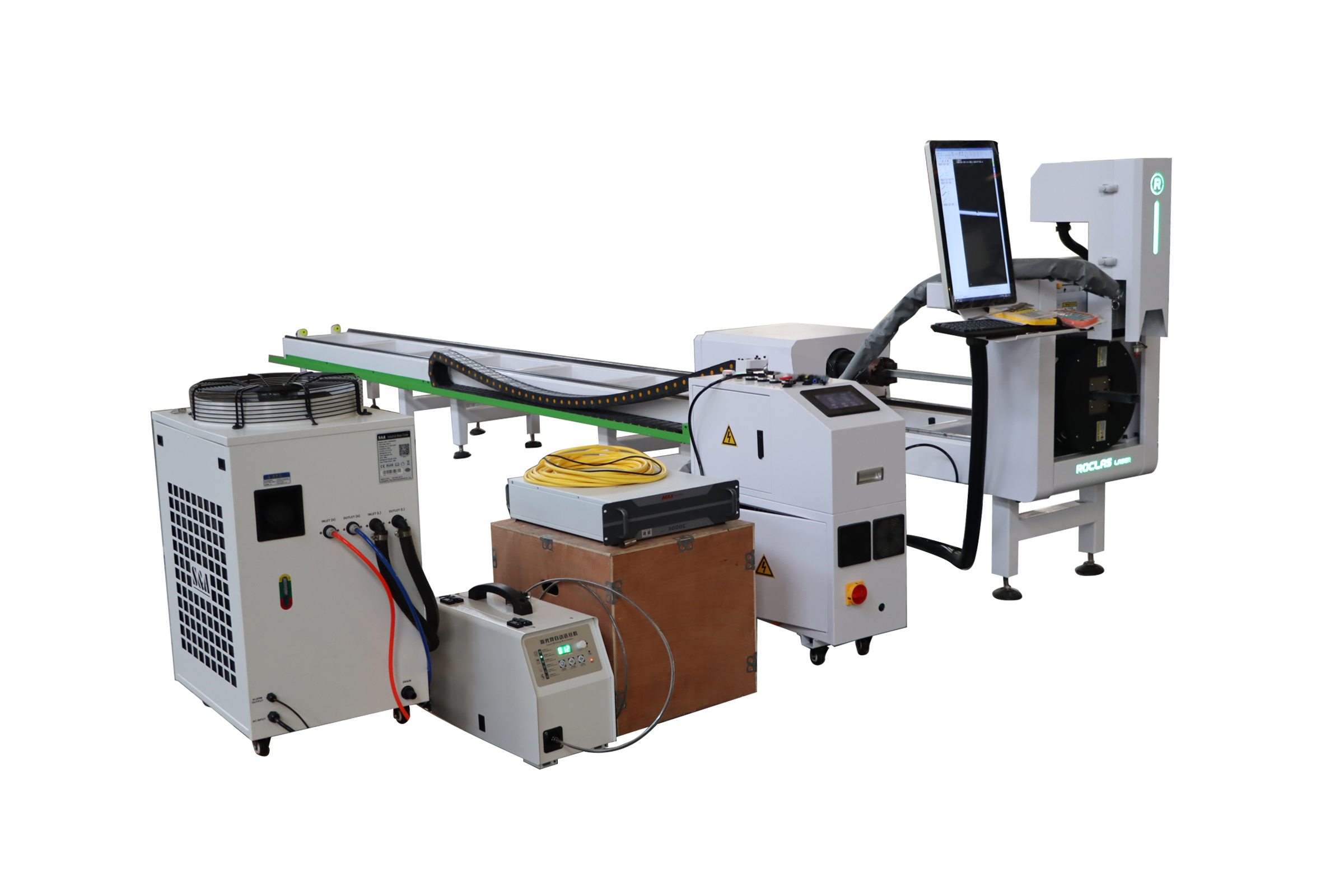
ROCLAS® MACHINERY CO., LTD., through its laser equipment division, has positioned its 1500W laser welding machine as a complement to its broader fiber laser cutting portfolio. The welding unit operates at a wavelength of 1080 ± 5 nm with continuous or modulated output, making it suitable for overlap, butt, and fillet welds on sheet thicknesses typically ranging from 0.5 mm to 3 mm. The 220V power requirement is a deliberate design choice for workshops that may not have immediate access to 380V three-phase supply, lowering the barrier to entry for small and medium-sized fabricators.
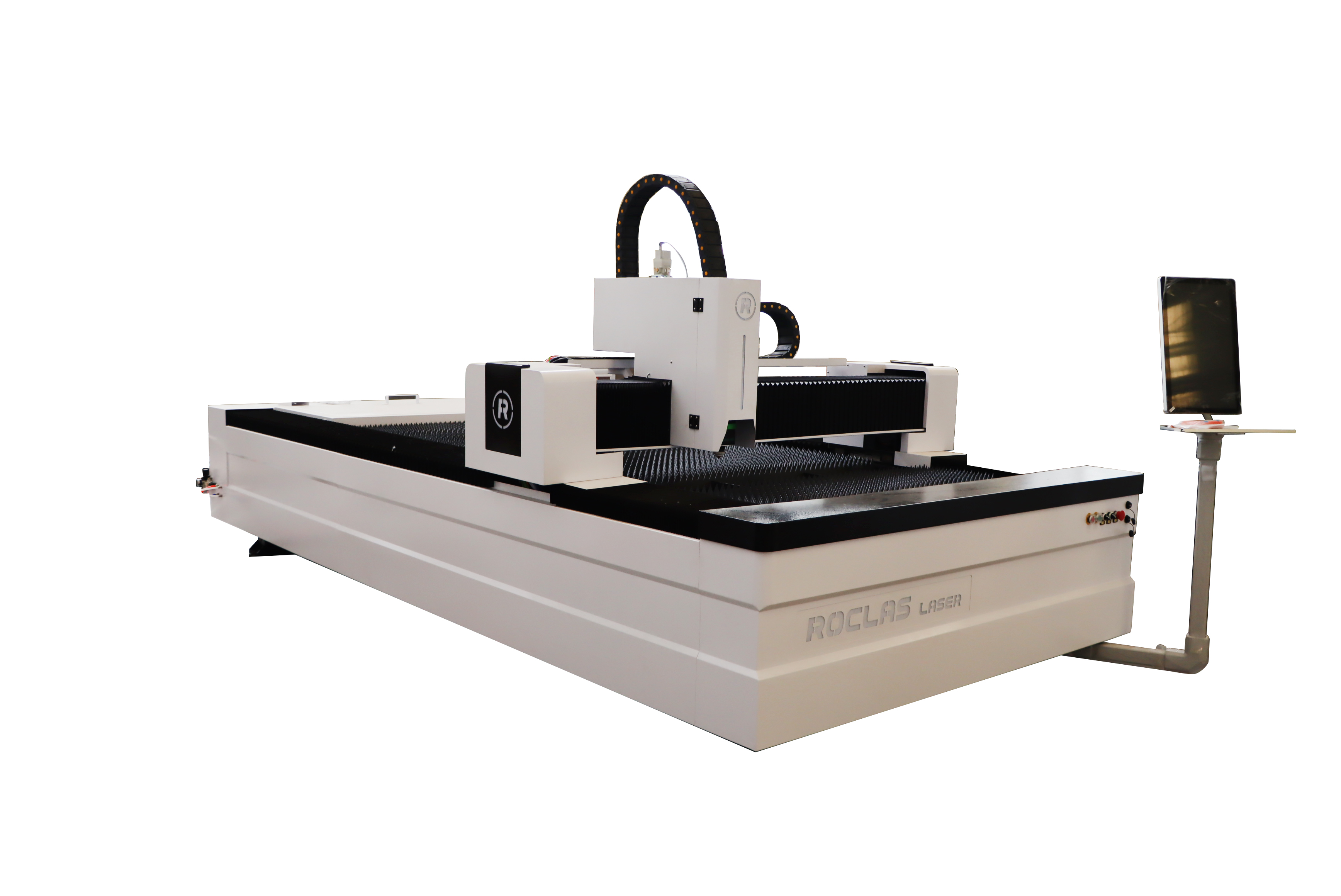
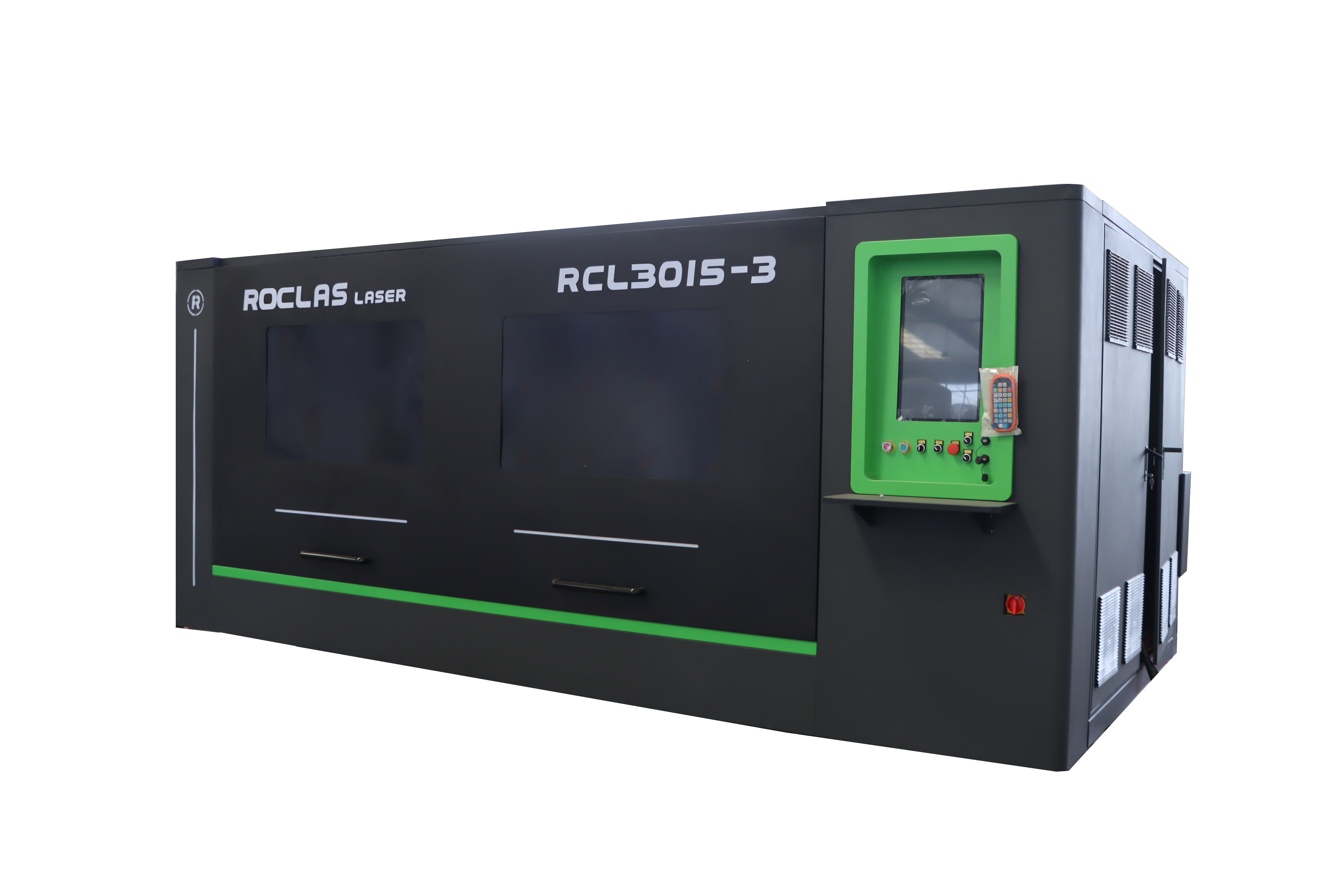
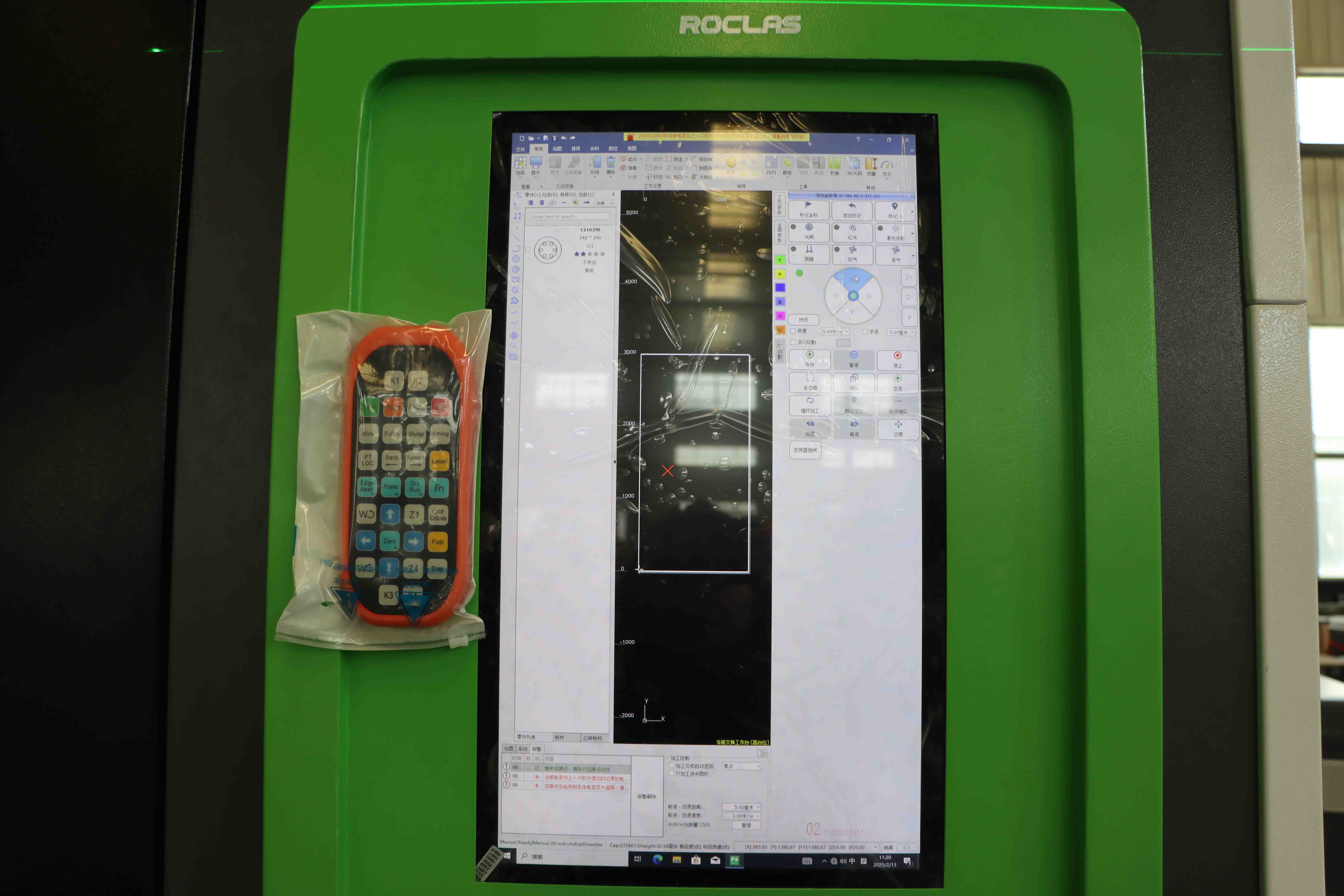
From an integration standpoint, ROCLAS’s welding solution shares several architectural features with its cutting machines: imported servo drive systems, a gantry structure with a movable workbench, and compatibility with robotic arm systems listed under the company’s auxiliary equipment. This commonality reduces operator training overhead and spare parts inventory. For a sheet metal fabricator already running a ROCLAS Fiber laser cutting machine—say, a 3000W unit with a 3000×1500 mm working area—adding a welding head or a dedicated welding station does not require a separate control philosophy. The Cypcut control system, widely used across ROCLAS cutting platforms, provides a familiar interface for path programming and parameter adjustment.
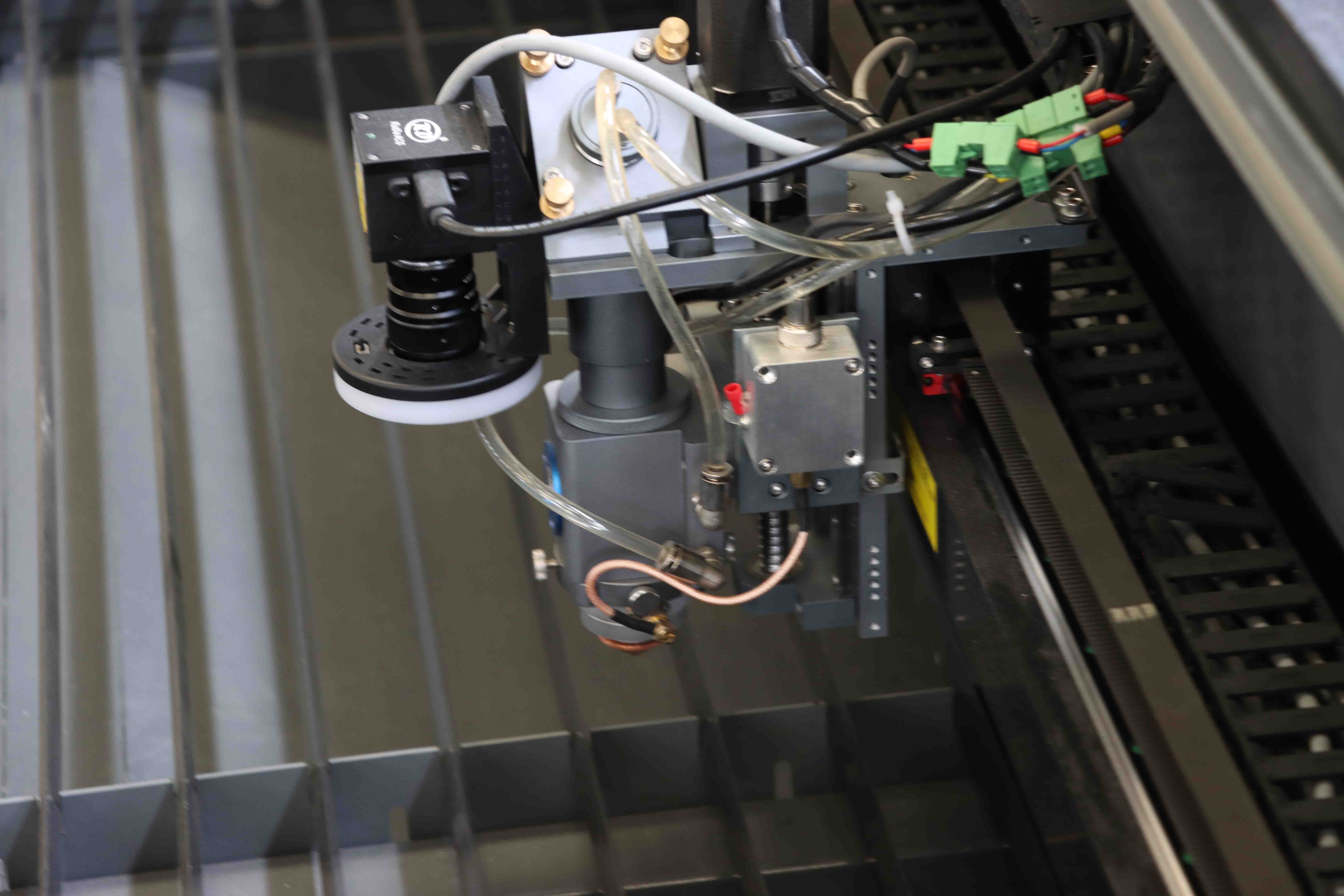
Material compatibility is another practical consideration. The welding machine handles carbon steel, stainless steel, aluminum, copper, and galvanized steel—the same metals processed by the company’s cutting systems. The high-reflectivity suppression module, originally developed for cutting copper and aluminum, is relevant to welding as well, as reflective metals can cause back-reflection damage to the laser source if not properly managed. ROCLAS specifies stable processing of 1–2 mm copper and 2–3 mm aluminum in its cutting context; similar thickness ranges are realistic for welding when using appropriate shielding gas and fixturing.
The operational profile of the welding machine is further supported by the company’s quality infrastructure. ISO 9001, CE, FDA, and UL certifications apply across the product line, and the 50+ patents held by ROCLAS—with 10+ new patents added annually—suggest ongoing refinement of beam delivery, motion control, and thermal management. For sheet metal job shops, these certifications are not merely badges; they are prerequisites for serving automotive, medical equipment, and food machinery customers who audit their suppliers’ compliance documentation.
3. Conclusion and Outlook
Laser welding for sheet metal has moved from a niche alternative to a mainstream joining method, driven by measurable gains in speed, precision, and repeatability. The 1500W class of machines, exemplified by ROCLAS’s offering, provides a practical entry point for fabricators seeking to replace or supplement TIG and MIG operations. The more consequential trend, however, is the convergence of cutting and welding into shared CNC platforms. As motion accuracy, control systems, and laser sources continue to standardize, the distinction between a “cutting machine” and a “welding machine” will blur into a single multi-process cell. Companies that already supply both capabilities—and that support them with unified service, software, and certification frameworks—are positioned to lead this transition. ROCLAS, with its existing portfolio spanning fiber cutting, 5-axis processing, welding, and cleaning, illustrates how a diversified laser equipment manufacturer can support sheet metal fabricators through each stage of the value chain, from blanking to final assembly.