
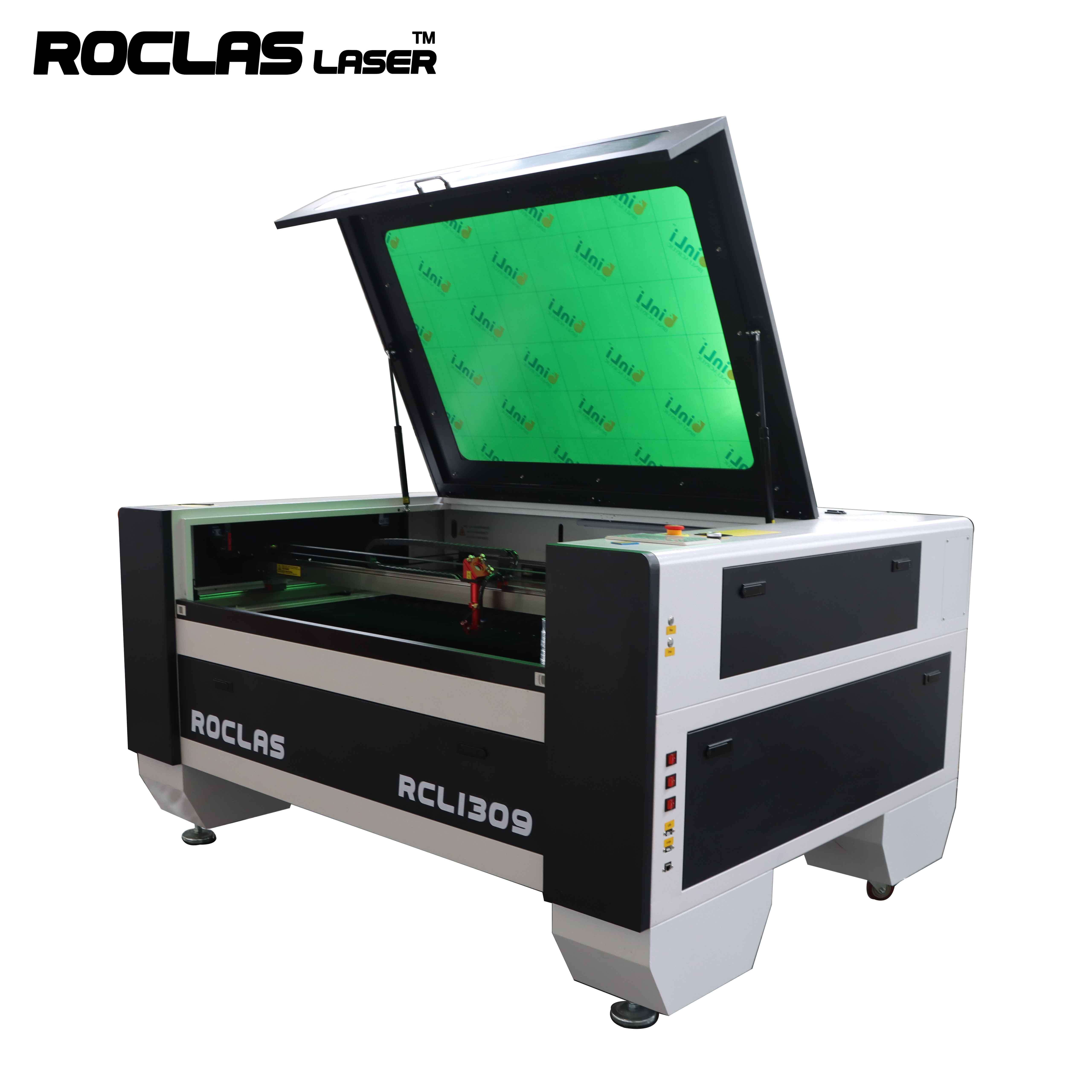
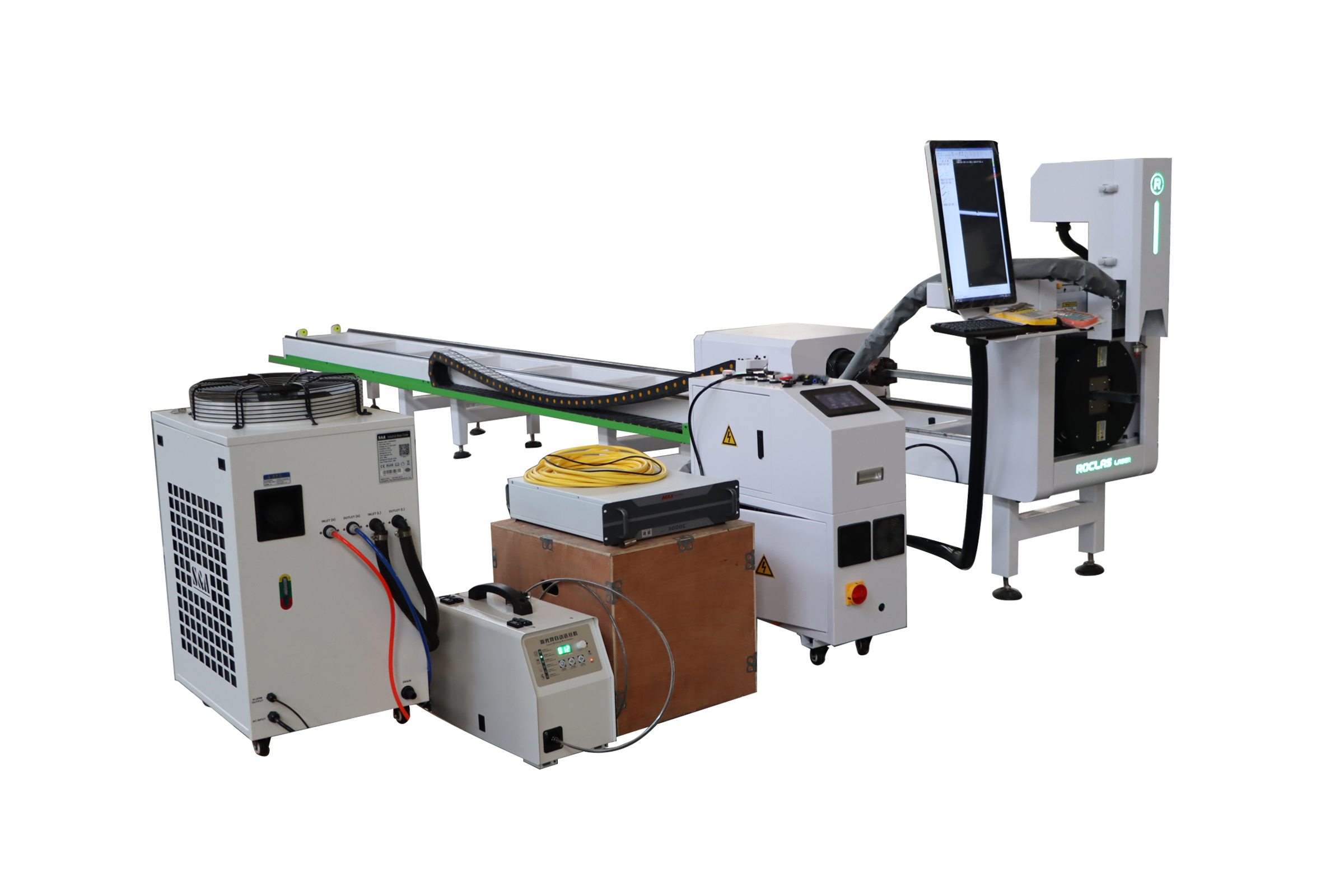
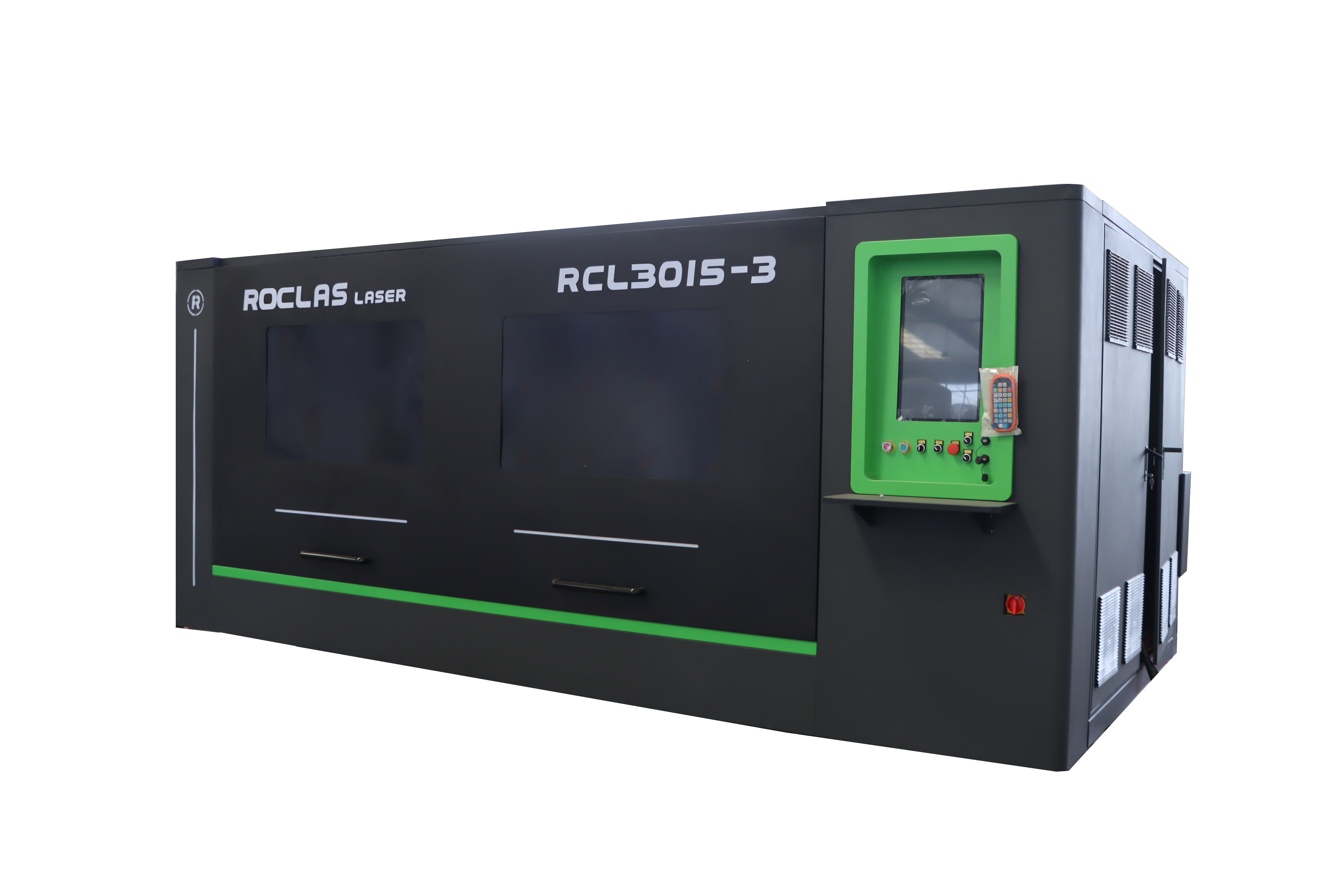
Abstract — The 3015 format Fiber laser cutting machine (3000 × 1500 mm working envelope) has become the de facto standard platform in sheet metal fabrication. This article examines its technical underpinnings, market positioning, and the engineering trade-offs that separate commodity machines from industrial-grade systems. Drawing on product data from ROCLAS® MACHINERY CO., LTD., it analyzes how power scaling, structural design, and control architecture influence throughput and cost of ownership.
---
1. Industry Context
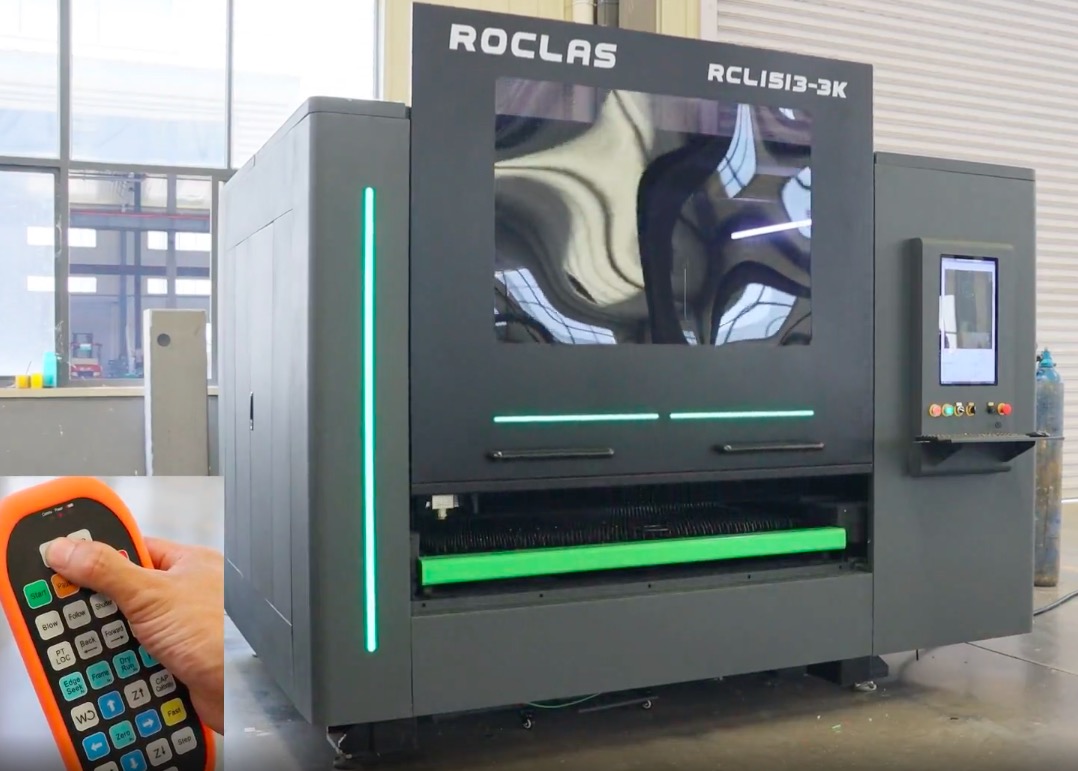
Over the past decade, fiber laser cutting has displaced CO₂ and plasma systems across most mild steel, stainless, and aluminum applications below 25 mm. The 3015 platform — a 3-meter by 1.5-meter bed, matched to the standard 1220 × 2440 mm and 1250 × 2500 mm sheet formats — sits at the center of this transition. It is the volume workhorse of job shops, HVAC fabrication, elevator manufacturing, and stainless furniture production.
The market has bifurcated. At the low end, sub-$30,000 machines with 1–3 kW sources compete almost entirely on price. At the industrial end, 6–20 kW systems with heavy-duty welded frames, imported servo drives, and integrated material handling compete on uptime, edge quality, and cost per part. The gap between these tiers is not the laser source alone; it is the machine tool around it.
2. Technical Baseline
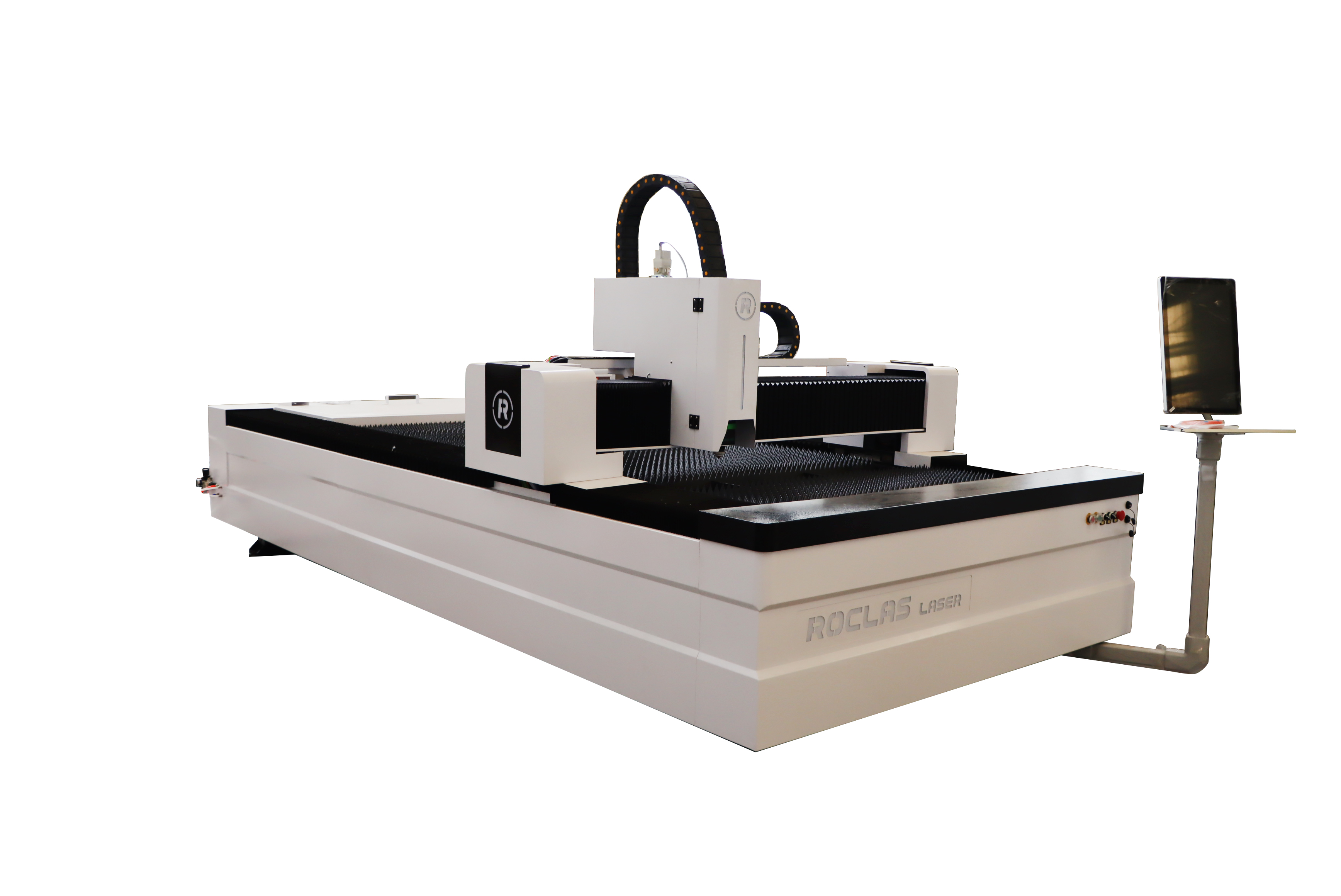
A representative 3015 fiber laser cutting machine, as specified by ROCLAS®, illustrates the current industrial baseline:
| Parameter | Specification |
|---|---|
| Working Area | 3000 × 1500 mm (4000 × 2000 mm and 1500 × 4000 mm optional) |
| Laser Power | 1000 W – 20 kW |
| Laser Source | Raycus / MAX |
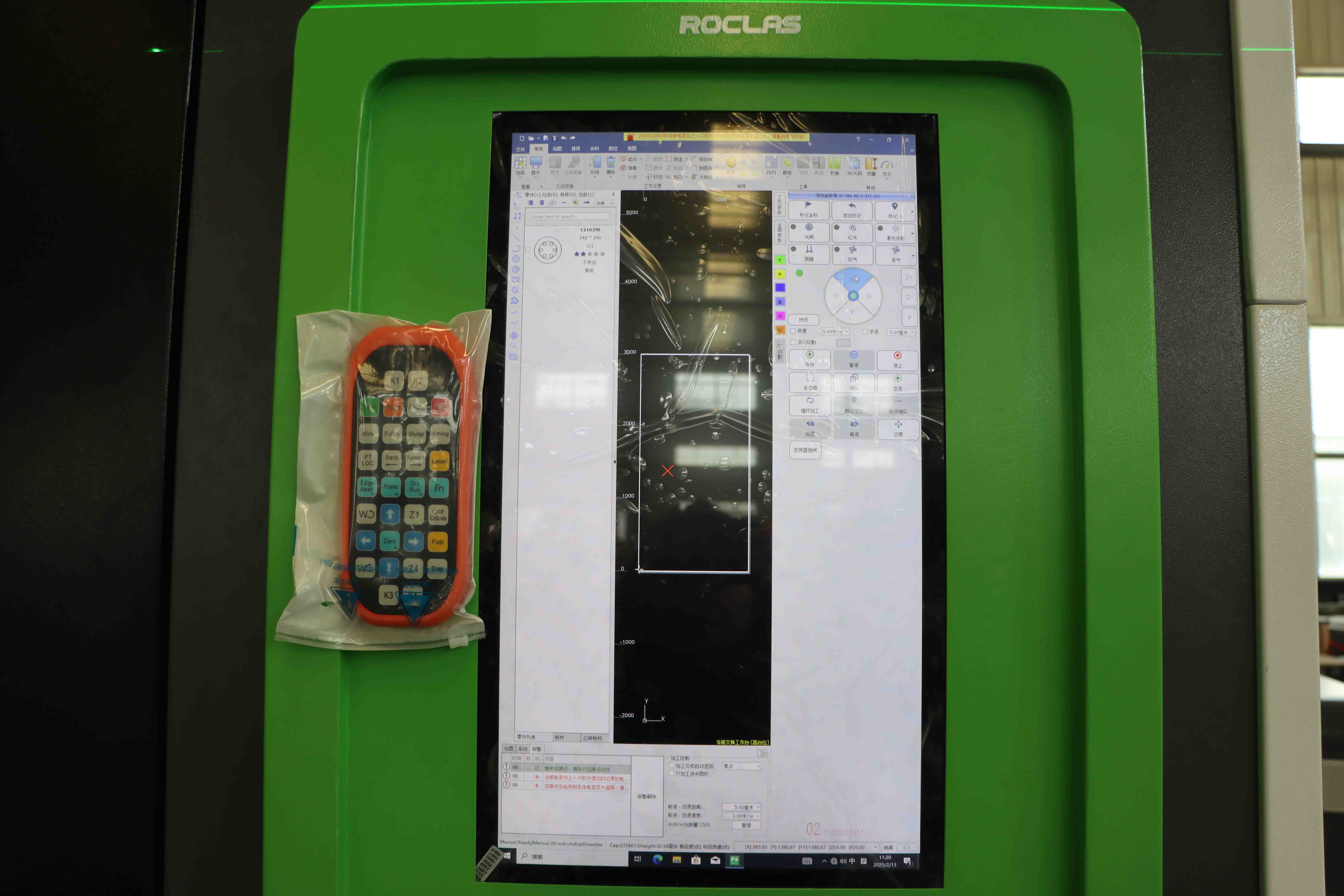
| Control System | Cypcut 3000S |
| X/Y Positioning Accuracy | ±0.03 mm |
| X/Y Repositioning Accuracy | ±0.02 mm |
| Travel Speed | 100 m/min |
| Max Acceleration | 1.0 G |
| Drive System | Imported servo motors and reducers |
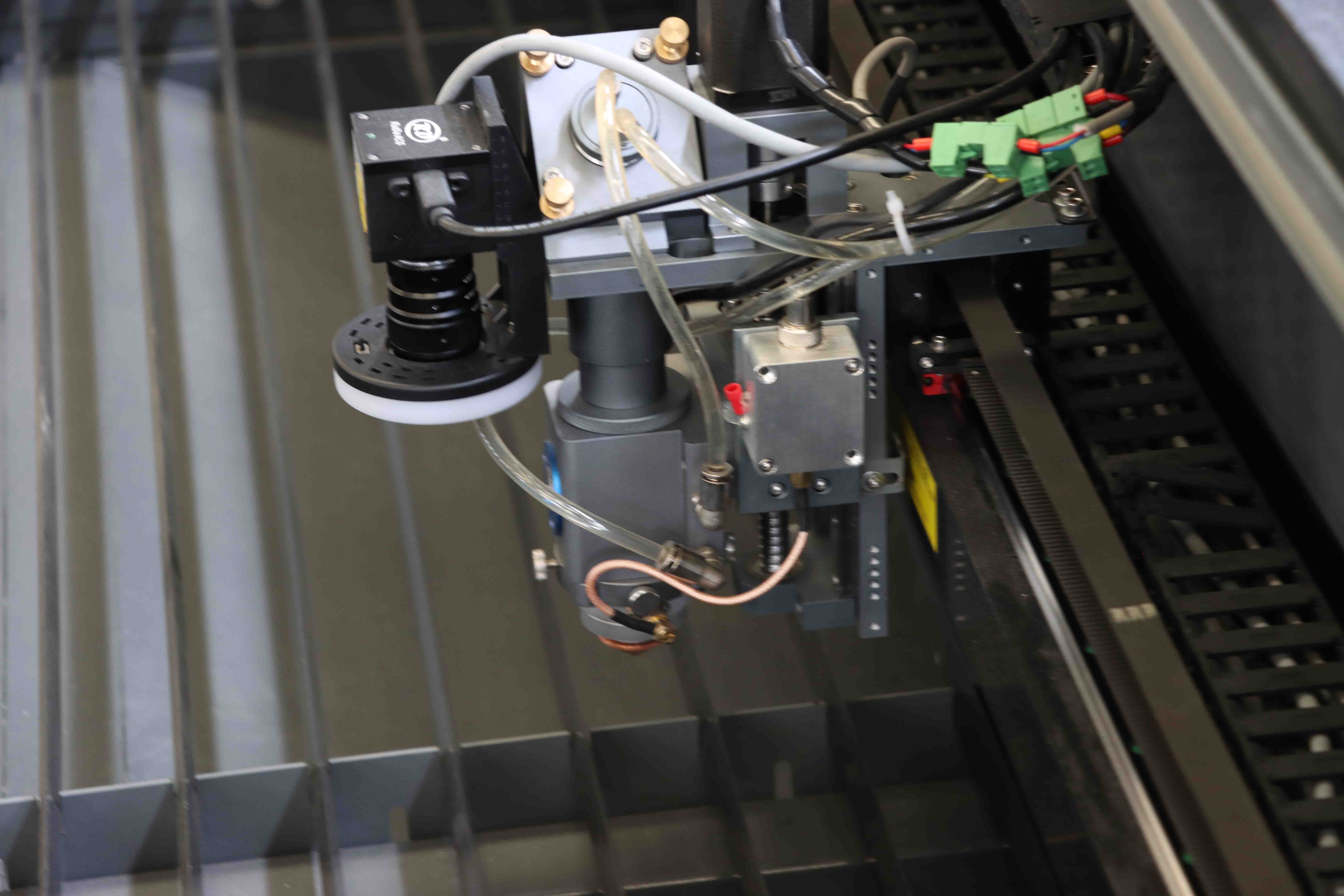
| Laser Head | Raytools |
| Power Requirement | 380 V / 50 Hz |
Table 1. Typical 3015 fiber laser cutting machine parameters (ROCLAS® data).
Two observations follow from these figures. First, ±0.03 mm positioning accuracy at 1.0 G acceleration is now table stakes rather than a premium feature; the differentiator has shifted to how long that accuracy holds under thermal load and continuous duty. Second, the power ceiling has moved dramatically. A 20 kW source on a 3015 bed can cut 20–25 mm carbon steel with nitrogen assist, encroaching on what was formerly plasma or waterjet territory.
3. Structural Design and the Cost of Rigidity
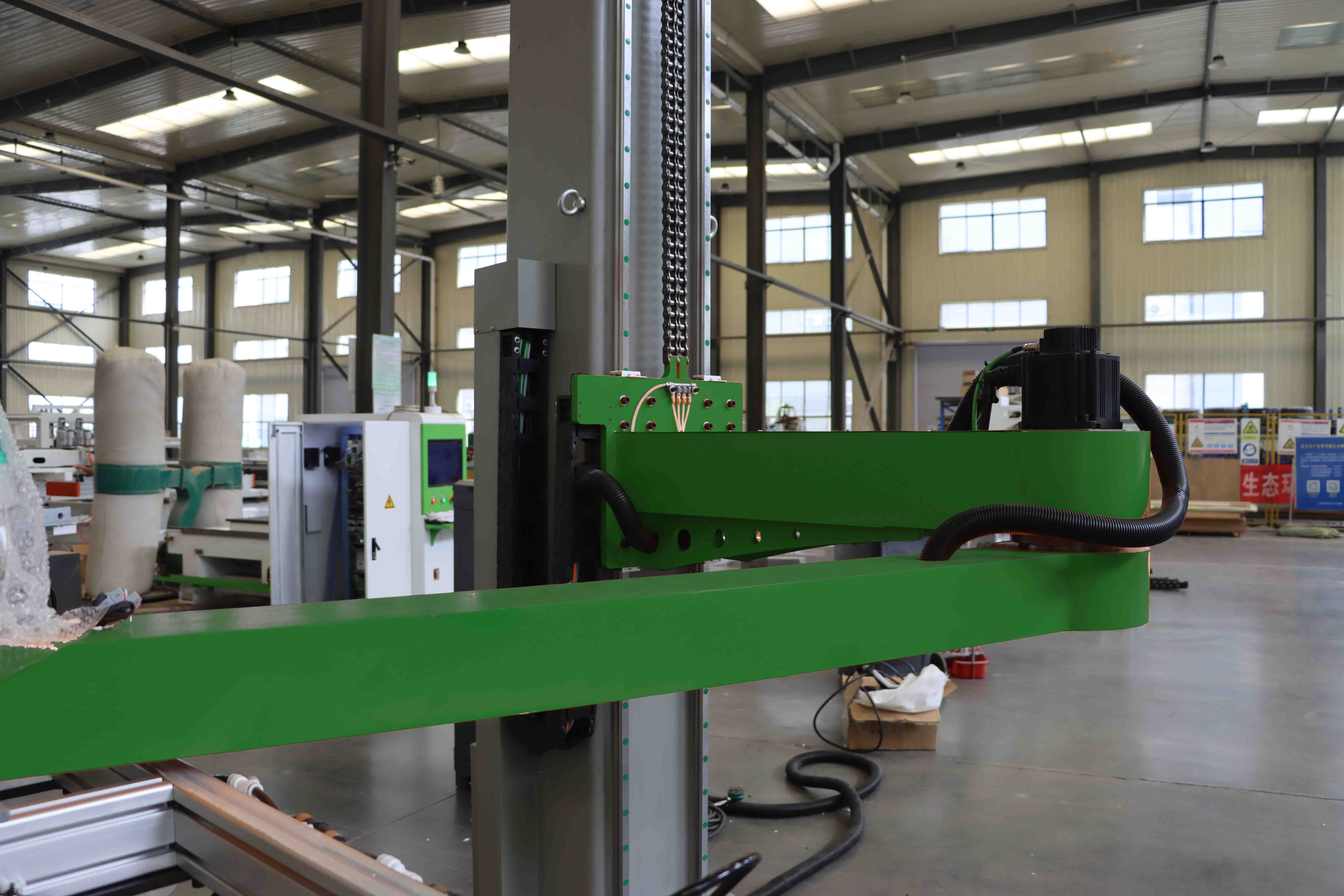
The frame is where most 3015 machines diverge. ROCLAS® uses an industrial-grade heavy-duty steel structure machined on a CNC five-face machining center, with France Schneider electrical components, Japan SMC pneumatics, and German igus cable carriers. This is not marketing detail — it is the reason a machine can hold tolerance after eight hours of 20 kW cutting, when thermal expansion would otherwise push a lighter frame out of spec.
ROCLAS® also offers the bed in two configurations: a traditional single-piece welded design, and a modular screw-connected design with identical manufacturing quality but separable sections for transport. The latter addresses a practical constraint in export markets where a welded 3015 frame cannot pass through a standard container door or a shop's service entrance. Notably, the modular version requires no welding, which preserves frame geometry without post-assembly stress relief.
4. Power Scaling and Material Capability
Power selection should follow material mix, not ambition. A 1.5 kW source handles 1–4 mm stainless and mild steel efficiently. At 6 kW, 12 mm carbon steel becomes practical. At 12–20 kW, thick-plate cutting with nitrogen produces oxide-free edges that eliminate secondary grinding — a decisive advantage in elevator and food-equipment manufacturing where surface finish is specified.
One persistent limitation is highly reflective material. Copper and aluminum reflect the 1080 nm fiber wavelength, risking back-reflection damage to the source. ROCLAS® addresses this with a high-reflectivity suppression module, enabling stable processing of 1–2 mm copper and 2–3 mm aluminum plate.
5. Control, Software, and Throughput
The Cypcut 3000S control system, paired with Raytools cutting heads, provides automatic nesting, kerf compensation, and process parameter libraries. In practice, the software determines whether a 20 kW machine delivers 20 kW of productivity or 20 kW of electricity consumption. Automatic nesting alone can recover 5–10% material yield on nested sheet work — often exceeding the annual energy cost of the machine.
6. Conclusion
The 3015 fiber laser cutting machine is a mature platform, but maturity has not produced uniformity. The specification gap between a 3 kW commodity machine and a 20 kW industrial system from a manufacturer like ROCLAS® spans structural rigidity, drive quality, reflective-material handling, and certification compliance (ISO 9001, CE, FDA, UL, PDL). Buyers evaluating this class of equipment should weigh cost per cut part over five years — not purchase price — and should treat frame construction, servo provenance, and control software as primary selection criteria rather than negotiable extras. As laser sources continue to fall in cost per kilowatt, the machine tool surrounding them will remain the determining factor in precision, uptime, and return on investment.
 has become the de facto standard platform in sheet metal fabrication. This article examines its technical under)