In the daily conversation about laser cutting performance, attention usually gravitates toward laser source power, control software, or servo acceleration. Yet among the auxiliary systems that determine whether a machine actually achieves its rated capability, few are as consistently underestimated as the nitrogen generator. For fabricators cutting stainless steel, aluminum, copper, or other reactive alloys, the purity and stable supply of assist gas frequently decide whether an edge is clean and oxidation-free or whether the part requires secondary processing. Understanding what a laser Nitrogen Generator does, how it integrates with fiber laser cutting systems, and where the real cost trade-offs lie is essential for anyone specifying equipment today.
Why Nitrogen Matters in Laser Cutting
Fiber laser cutting relies on assist gas for several simultaneous functions: ejecting molten material from the kerf, cooling the cut zone, and shielding the cut edge from atmospheric oxygen. When cutting mild steel, oxygen is often used deliberately because the exothermic reaction accelerates the process. But for stainless steel, aluminum, copper, and brass, oxygen produces oxidation on the cut face, discoloration, and in many cases a dross condition that fails downstream welding or cosmetic requirements. Nitrogen, being inert, displaces oxygen from the kerf and produces the bright, oxide-free edges demanded in food equipment, architectural metalwork, automotive components, and medical device fabrication.
The catch is that nitrogen must be delivered at high purity. In practice, laser cutting applications typically require nitrogen at 99.99% to 99.999% purity, delivered at pressures sufficient to match the cutting head's requirements, often in the range of 15 to 30 bar depending on material thickness and nozzle design. Cylinder or dewar supply can meet this need, but the logistics, rental fees, evaporation losses, and delivery constraints create a recurring cost structure that becomes painful at scale.
On-Site Generation: How the Technology Works
A laser nitrogen generator solves this problem by producing nitrogen on demand from compressed air. The dominant technology is Pressure Swing Adsorption, or PSA. Ambient air is compressed, dried, and filtered, then passed through a vessel containing carbon molecular sieve material. Oxygen molecules are preferentially adsorbed by the sieve, while nitrogen passes through and is collected. By alternating between two vessels in a coordinated cycle, the system delivers a continuous stream of high-purity nitrogen. Residual oxygen content is monitored, and purity is typically adjustable from roughly 95% up to 99.999% depending on flow rate.
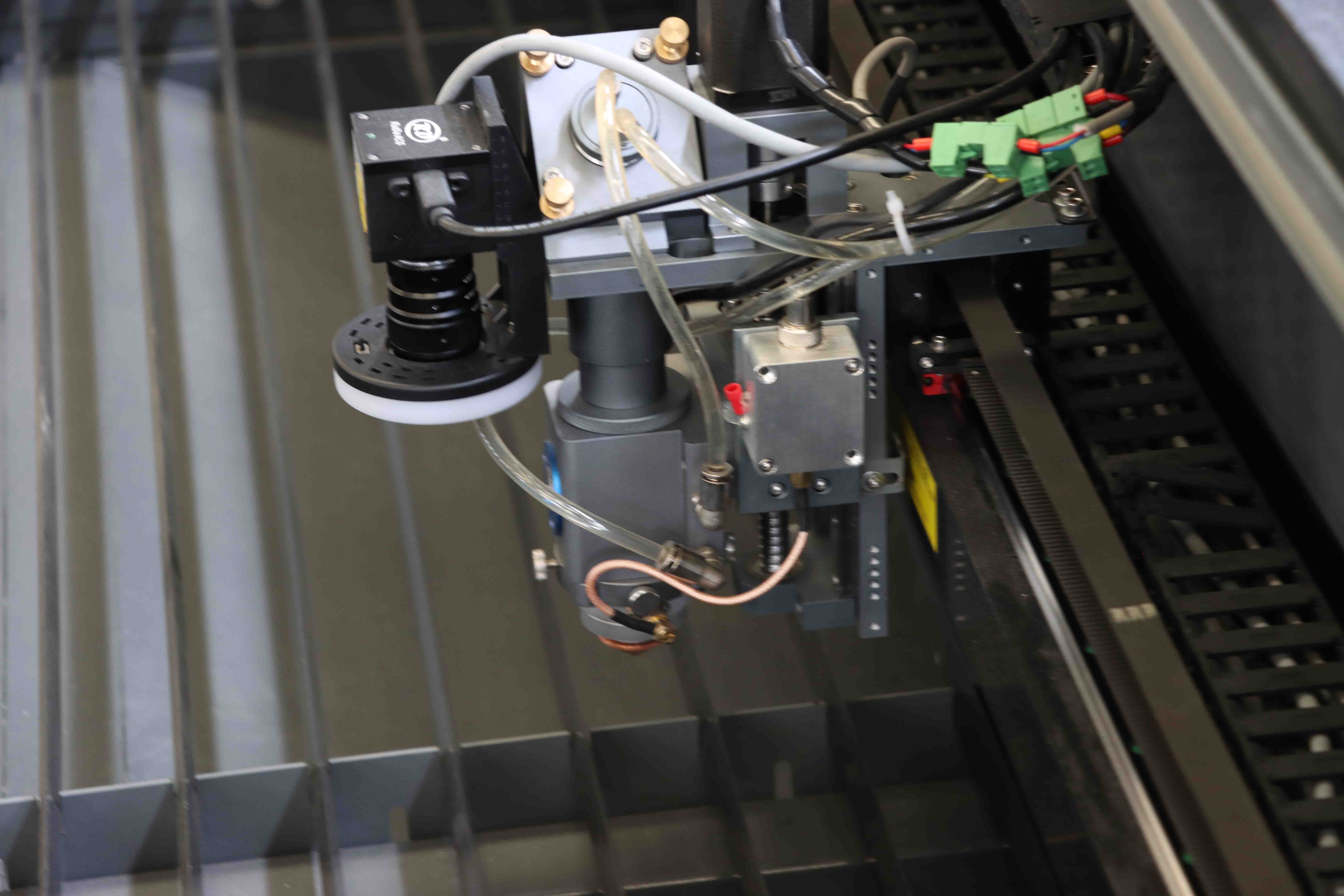
The engineering challenge is not the chemistry but the integration. The generator must deliver stable pressure and flow that match the laser cutter's dynamic demand, which fluctuates constantly as the machine switches between piercing, contour cutting, and rapid traverse. Buffer tanks, precision pressure regulation, and proper filtration are not optional accessories—they are the difference between a system that supports production and one that creates new downtime.
Specifications That Matter
Consider the specification profile of a representative industrial nitrogen generator, such as those offered within the ROCLAS auxiliary equipment portfolio. The unit is built on a carbon steel framework, operates on 220V/50Hz or 380V/50Hz power, and draws approximately 9 kW total. Its purified air handling capacity is 3.8 m³/min, supported by a 1 m³ air tank rated at 8 kg, a 1 m³ nitrogen storage tank, and a 0.3 m³ nitrogen process tank. The system achieves nitrogen purity up to 99.999% and weighs approximately 2,600 kg. These figures describe a mid-to-high capacity unit suitable for pairing with a 3 kW to 12 kW fiber laser cutter running stainless steel and aluminum production.
| Parameter | Specification |
|---|---|
| Material | Carbon Steel |
| Power Supply | 220V/50Hz or 380V/50Hz |
| Total Power | 9 kW |
| Purified Air Handling Capacity | 3.8 m³/min |
| Air Tank | 1 m³ / 8 kg |
| Nitrogen Storage Tank | 1 m³ / 8 kg |
| Nitrogen Process Tank | 0.3 m³ / 8 kg |
| Nitrogen Purity | 99.999% |
| Weight | 2,600 kg |
Reading this table, several practical points emerge. The 9 kW power draw is modest relative to the laser source itself, meaning the generator does not materially change the facility's electrical load calculation. The 3.8 m³/min air handling capacity indicates that the generator requires a substantial and well-maintained Air compressor upstream; undersizing the compressor is one of the most common installation errors and leads to purity fluctuations under load. The three-tank arrangement—air, storage, and process—reflects a design intended to smooth pressure transients rather than simply produce gas. And the 2,600 kg weight signals a skid-mounted industrial assembly, not a light-duty appliance, which has implications for floor placement and vibration isolation.
The Economics of Generating Versus Buying
The business case for on-site generation rests on consumption volume and purity requirements. Cylinder supply makes sense for occasional cutting or very thin material where gas consumption is low. But a shop running stainless steel daily at 3 kW and above will typically consume enough nitrogen that the generator pays for itself within a reasonable horizon, after which the marginal cost of nitrogen approaches the cost of electricity and compressor maintenance. There is also an operational dimension that rarely appears in payback calculations: eliminating delivery dependency means the cutting schedule is no longer constrained by gas suppliers, and there is no risk of running out mid-job.
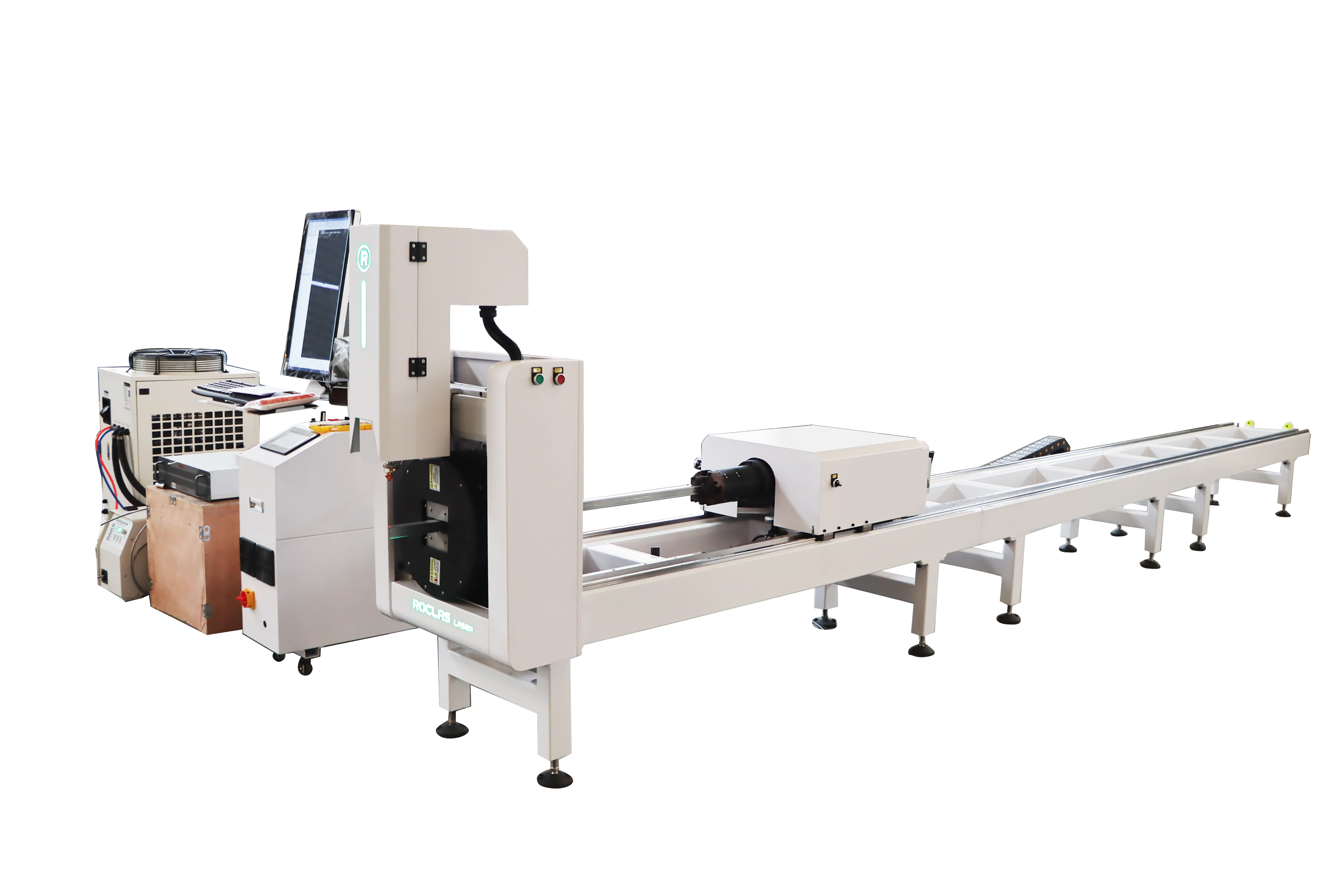
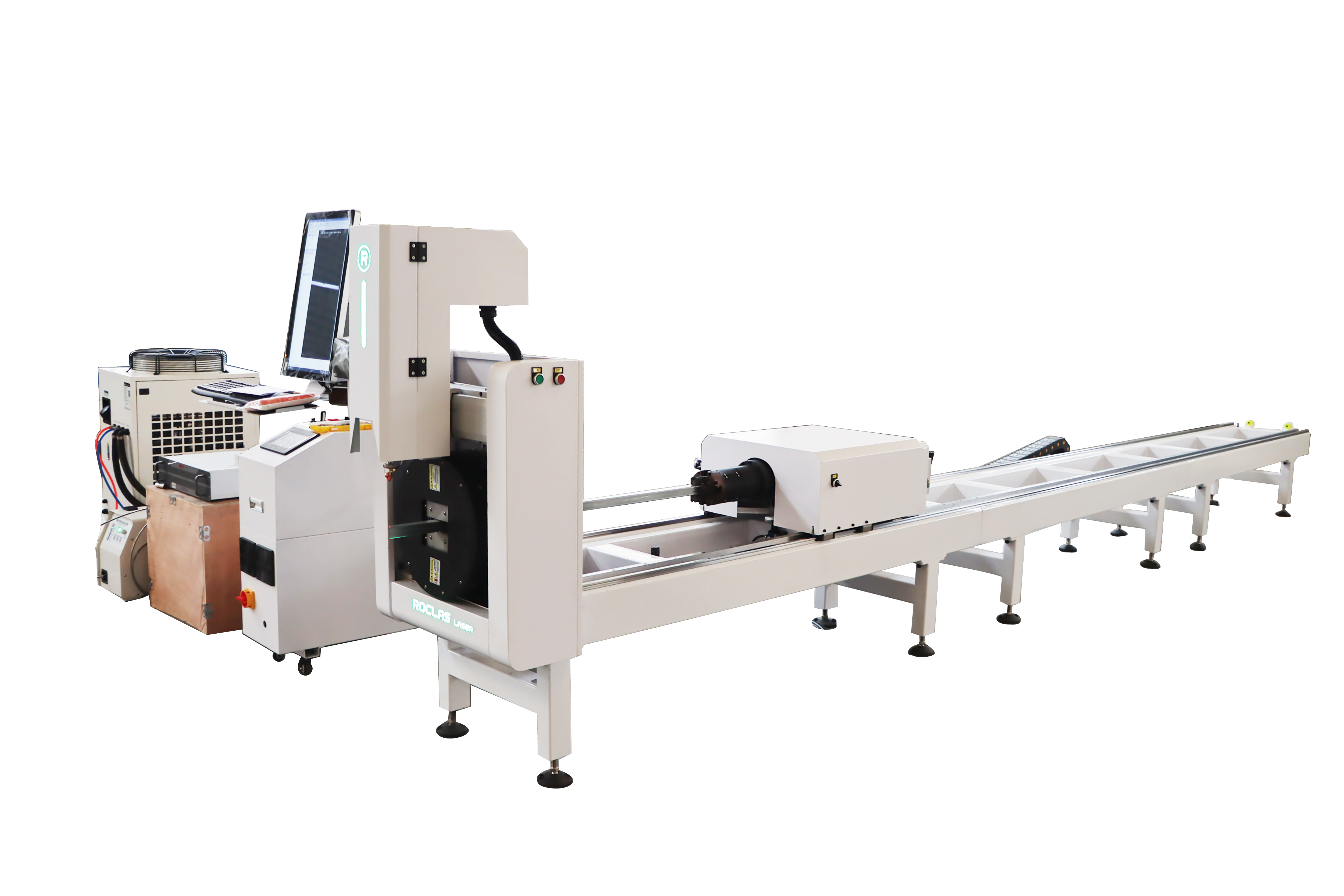
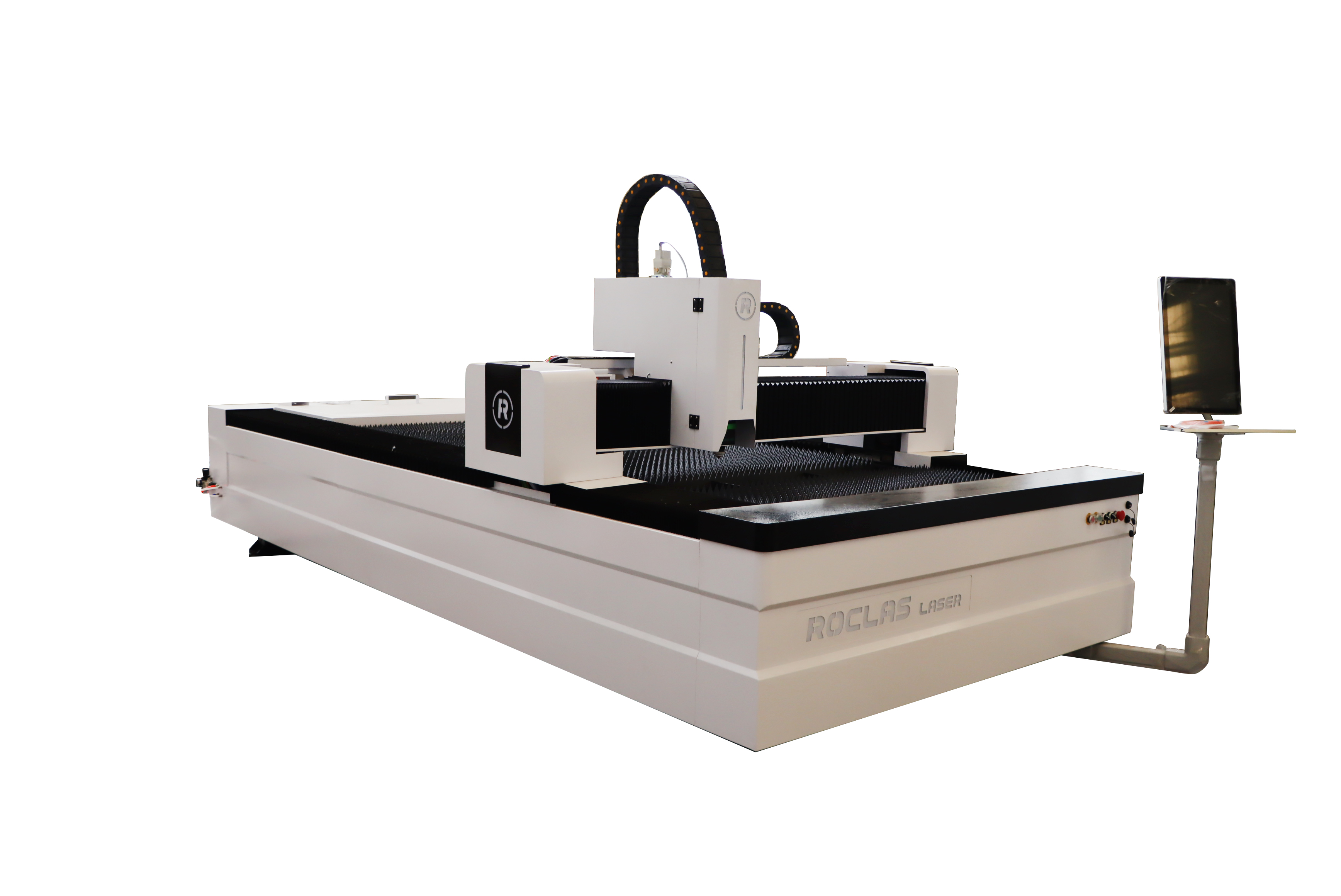
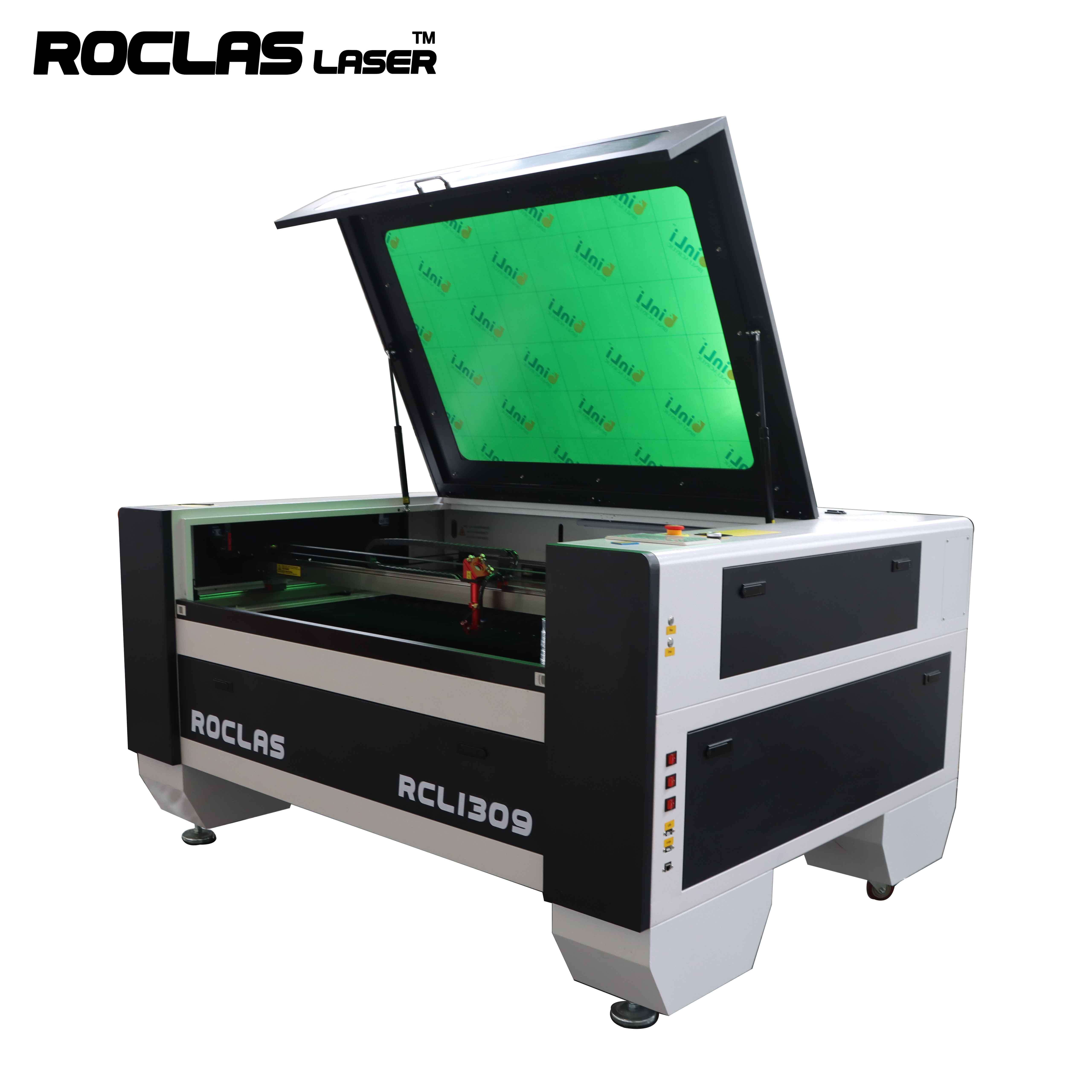
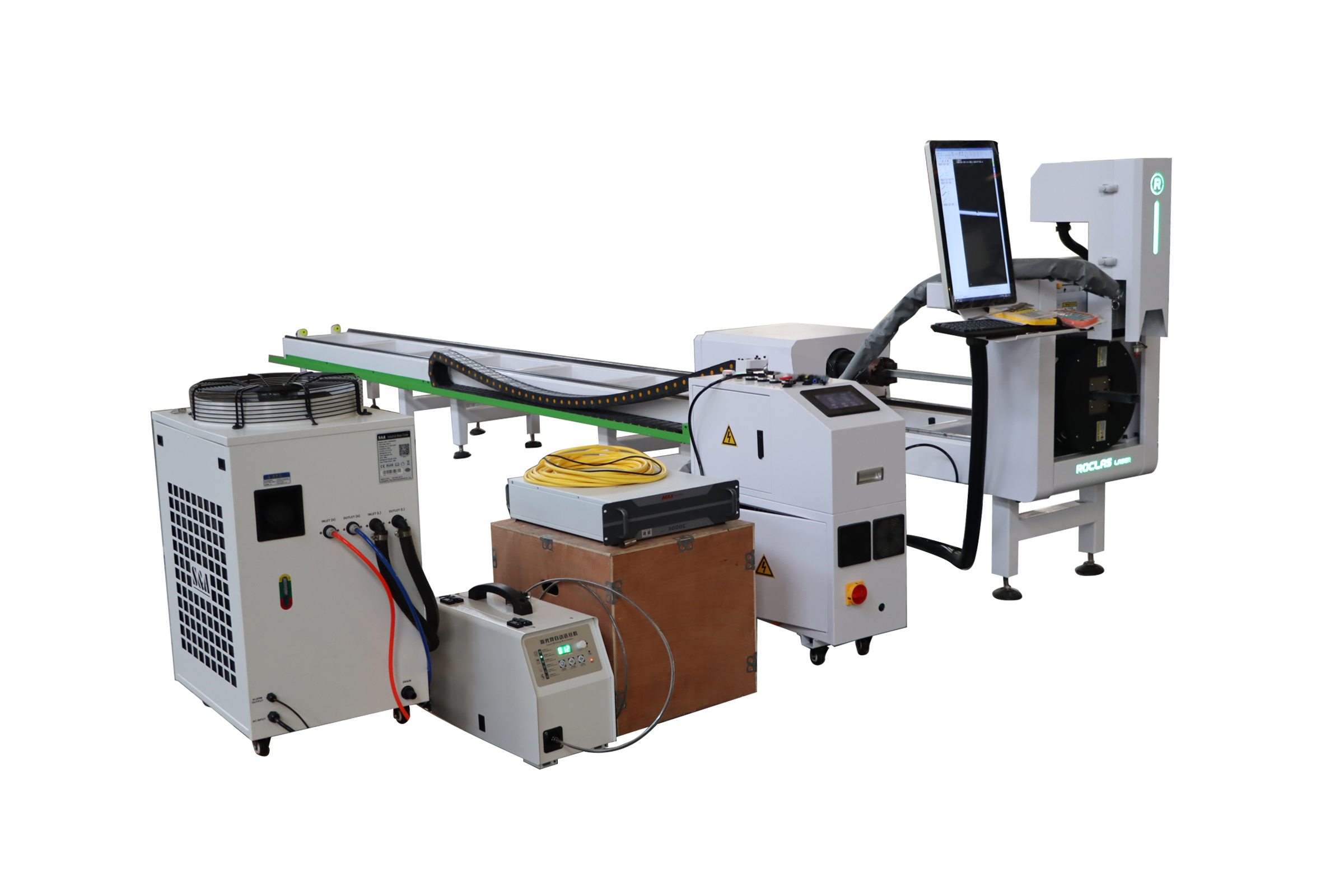
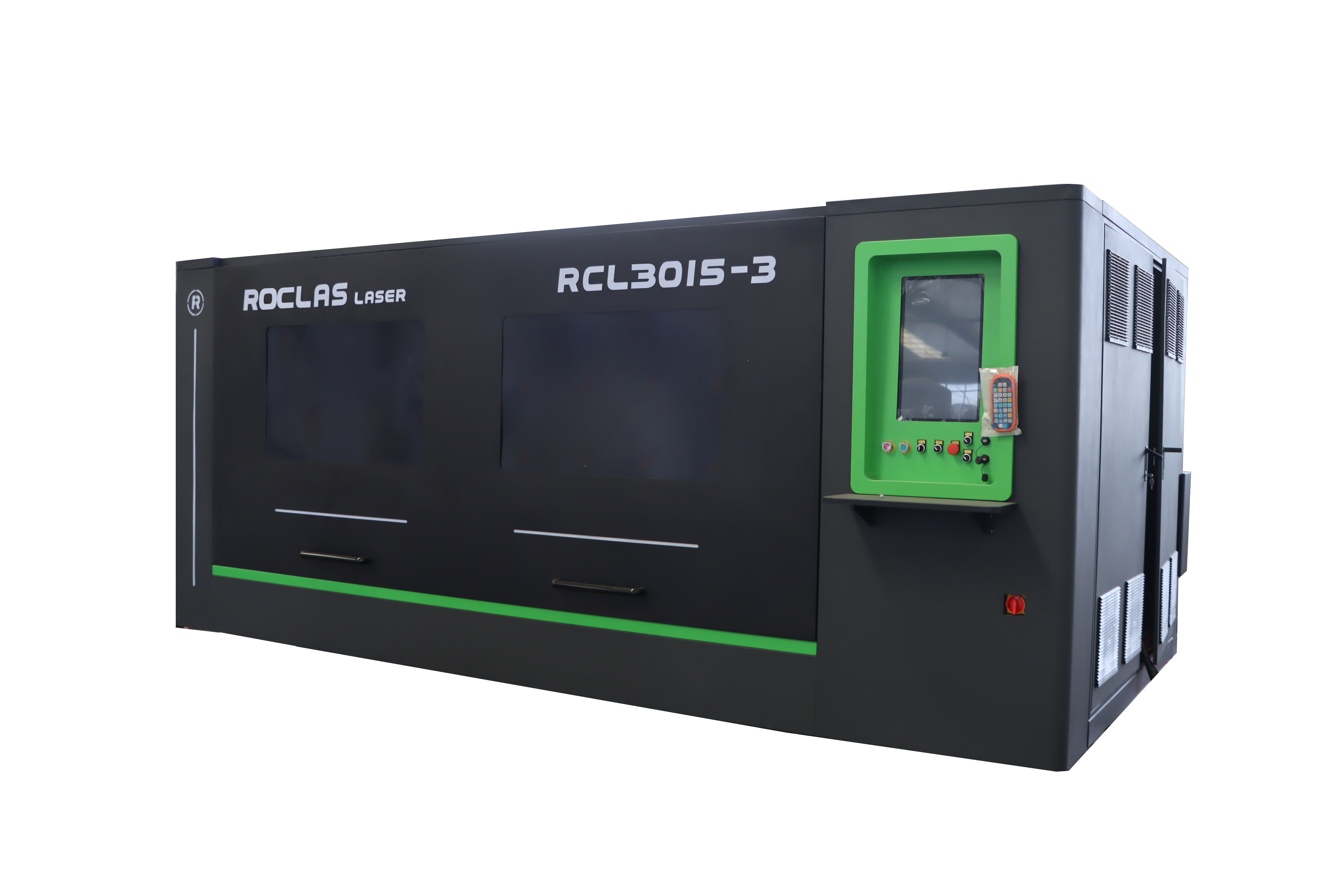
This is where the integration story becomes relevant. ROCLAS, a manufacturer with more than fifteen years in laser equipment and a portfolio spanning Fiber laser cutting machines from 1 kW to 20 kW, 5-axis cutting centers, tube cutters, and combined sheet-and-tube systems, positions the nitrogen generator as part of a complete cutting solution rather than a standalone product. That matters because assist gas performance is inseparable from cutting head design, nozzle selection, and control parameters. When the gas supply, laser source, and control system are specified together, the user avoids the mismatch problems that arise when a third-party generator is retrofitted onto an existing machine.
Practical Selection Guidance
For a fabricator evaluating a laser nitrogen generator, the starting point is the cutting task. Material type and maximum thickness determine the required pressure and flow. Stainless steel at 6 mm demands different gas parameters than aluminum at 3 mm or copper at 2 mm. The second consideration is duty cycle: a shop cutting eight hours per day has different buffer requirements than one running two shifts. Third is air quality upstream—PSA systems are sensitive to oil carryover and moisture, so compressor and dryer selection deserve as much attention as the generator itself.
It is also worth noting that ROCLAS fiber laser machines are equipped with a high-reflectivity suppression module that allows stable processing of copper and aluminum, materials that are notoriously demanding on both the laser optics and the assist gas system. Pairing such a machine with an appropriately sized on-site nitrogen generator creates a closed capability loop: the laser can cut the reflective material, and the gas system can supply the purity that those cuts require.
Conclusion
The laser nitrogen generator occupies an unglamorous position in the fabrication workflow, but its influence on edge quality, consumable cost, and production continuity is difficult to overstate. As fiber laser power continues to climb and the range of materials being cut expands, the assist gas system becomes a more critical part of the specification conversation, not a peripheral one. For manufacturers building out a complete cutting capability, treating gas generation as an integrated engineering decision—rather than an afterthought purchased separately—is the more reliable path to consistent output and predictable operating cost.