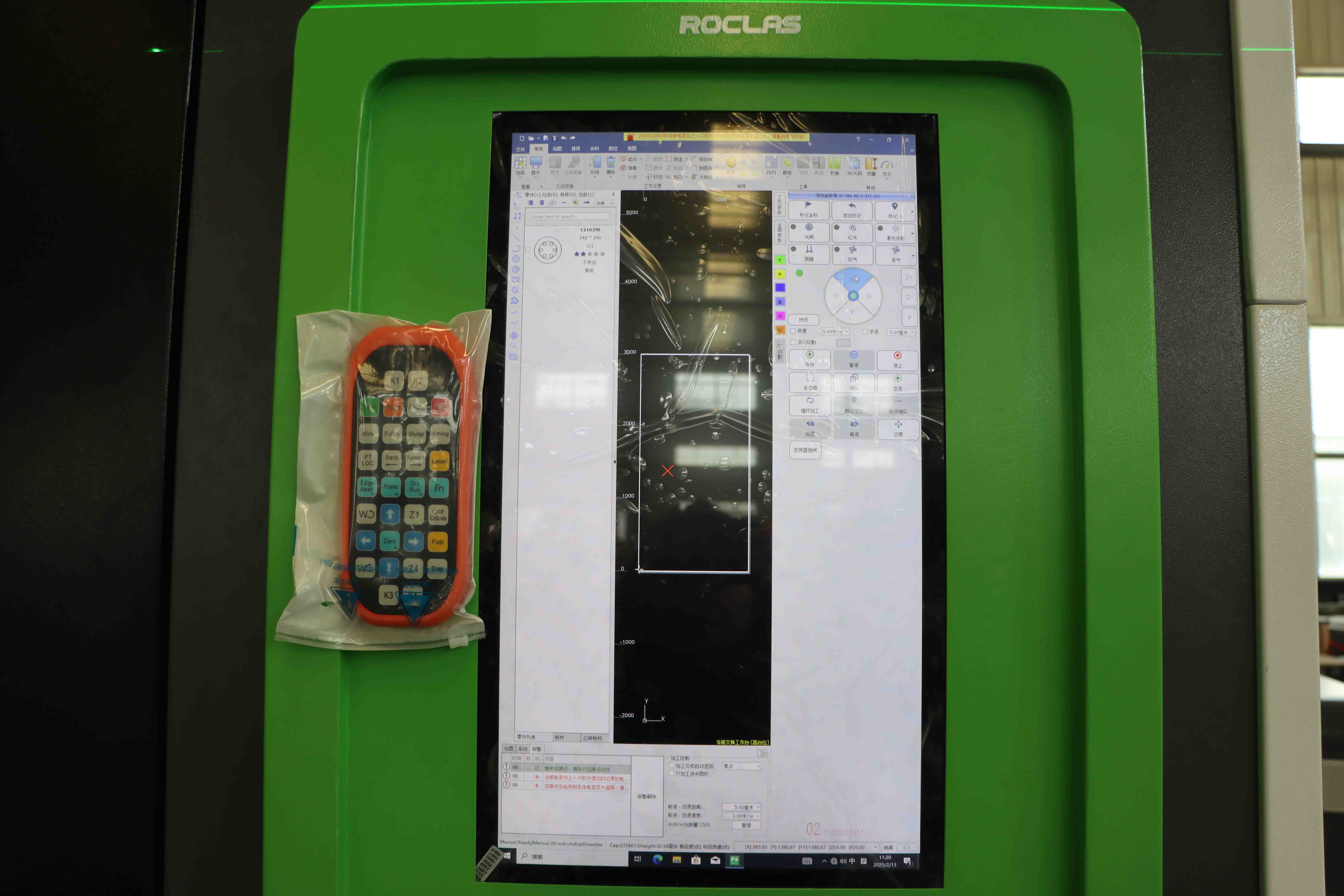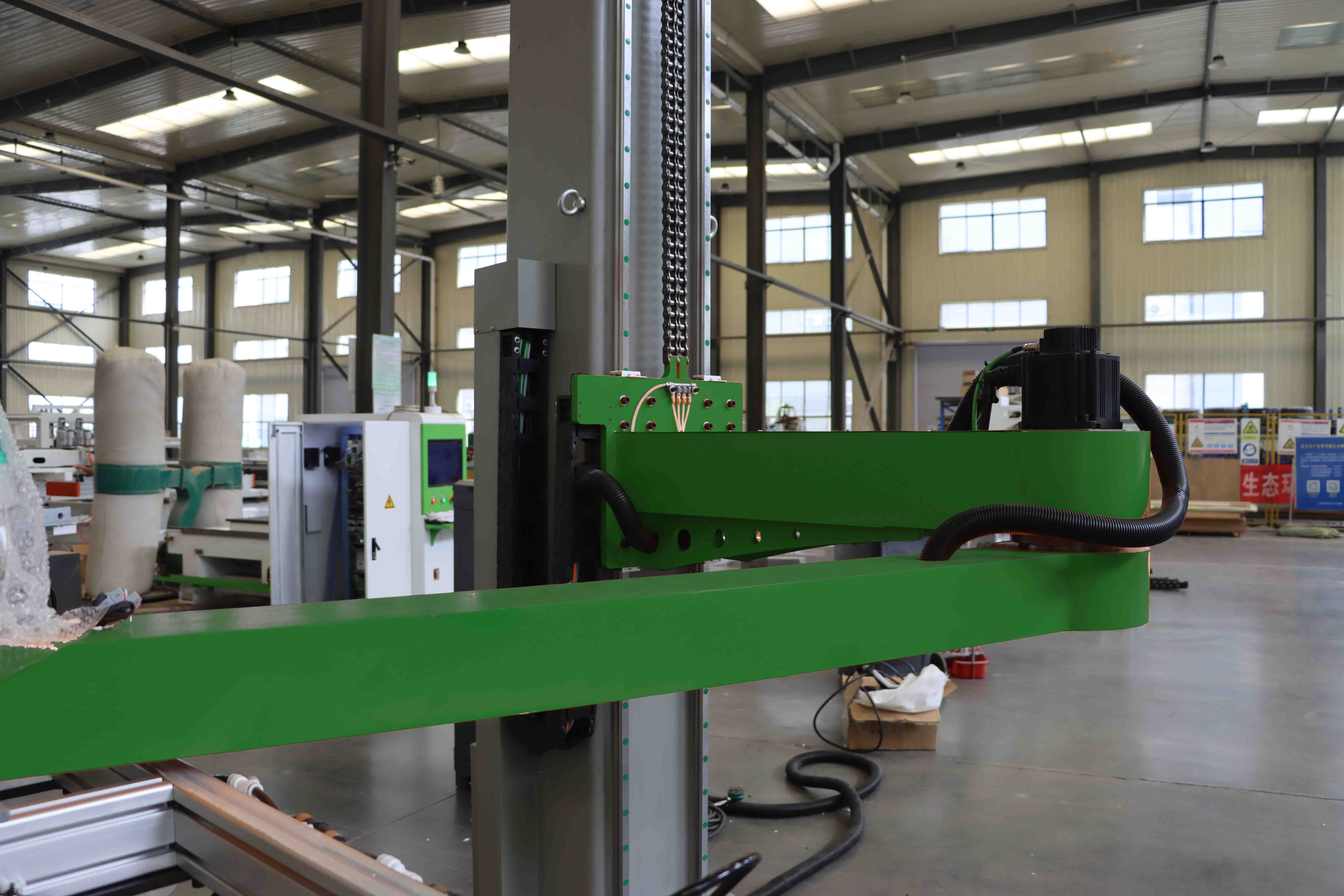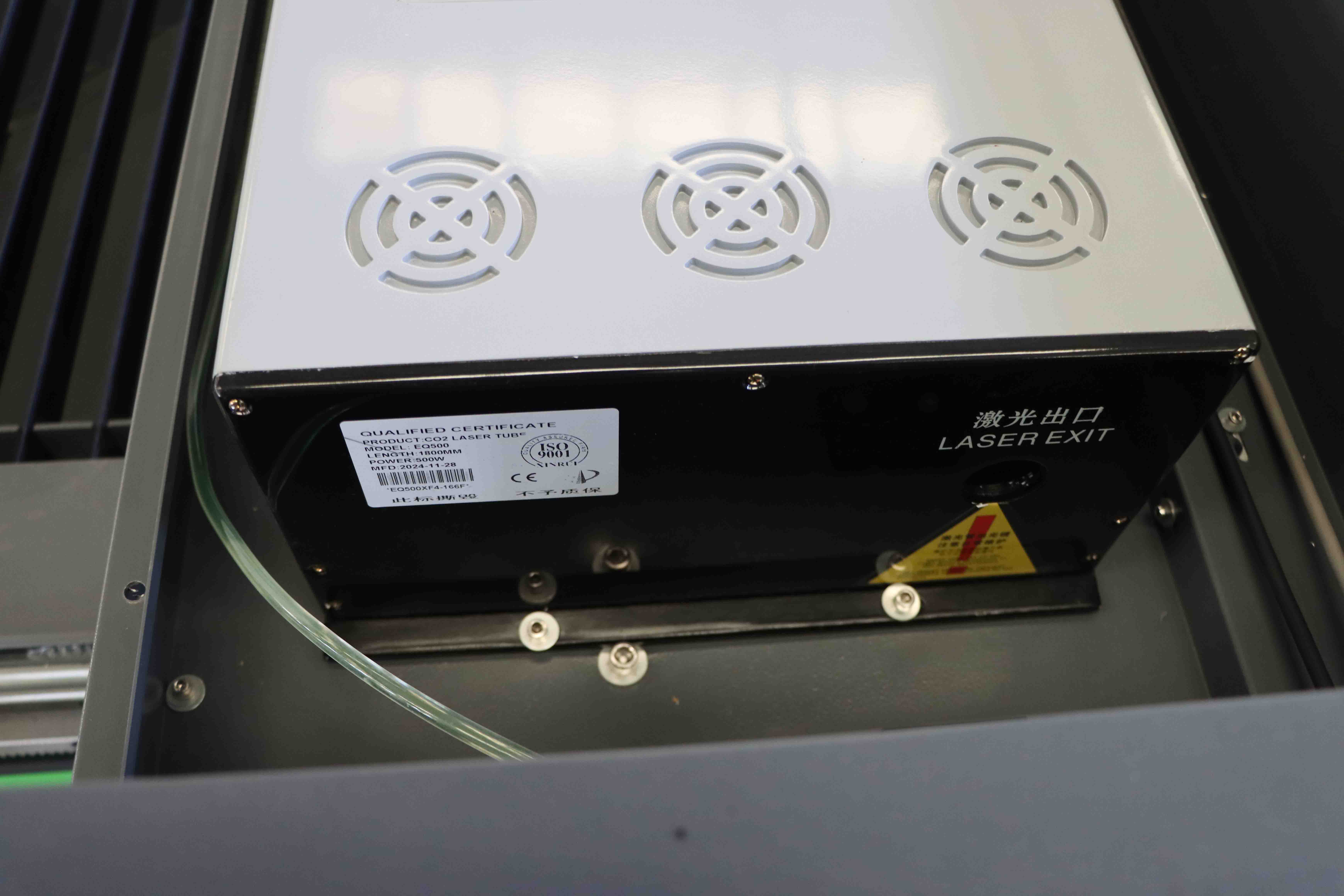
Importing a laser cutting machine from China is a significant capital investment, and the logistics behind it are often underestimated. A fiber laser cutter in the 3kW–20kW range typically weighs several tonnes, occupies a full 20ft or 40ft container, and contains precision optical components that are sensitive to shock, moisture, and mishandling. Understanding the shipping process before placing an order is therefore not a minor administrative detail—it directly affects total landed cost, installation timelines, and machine warranty validity.
This article outlines the key stages of shipping a laser machine from China, using the export practices of established manufacturers such as ROCLAS® MACHINERY CO., LTD. as a reference point for what buyers should reasonably expect from a professional supplier.
1. Understanding What You Are Actually Shipping
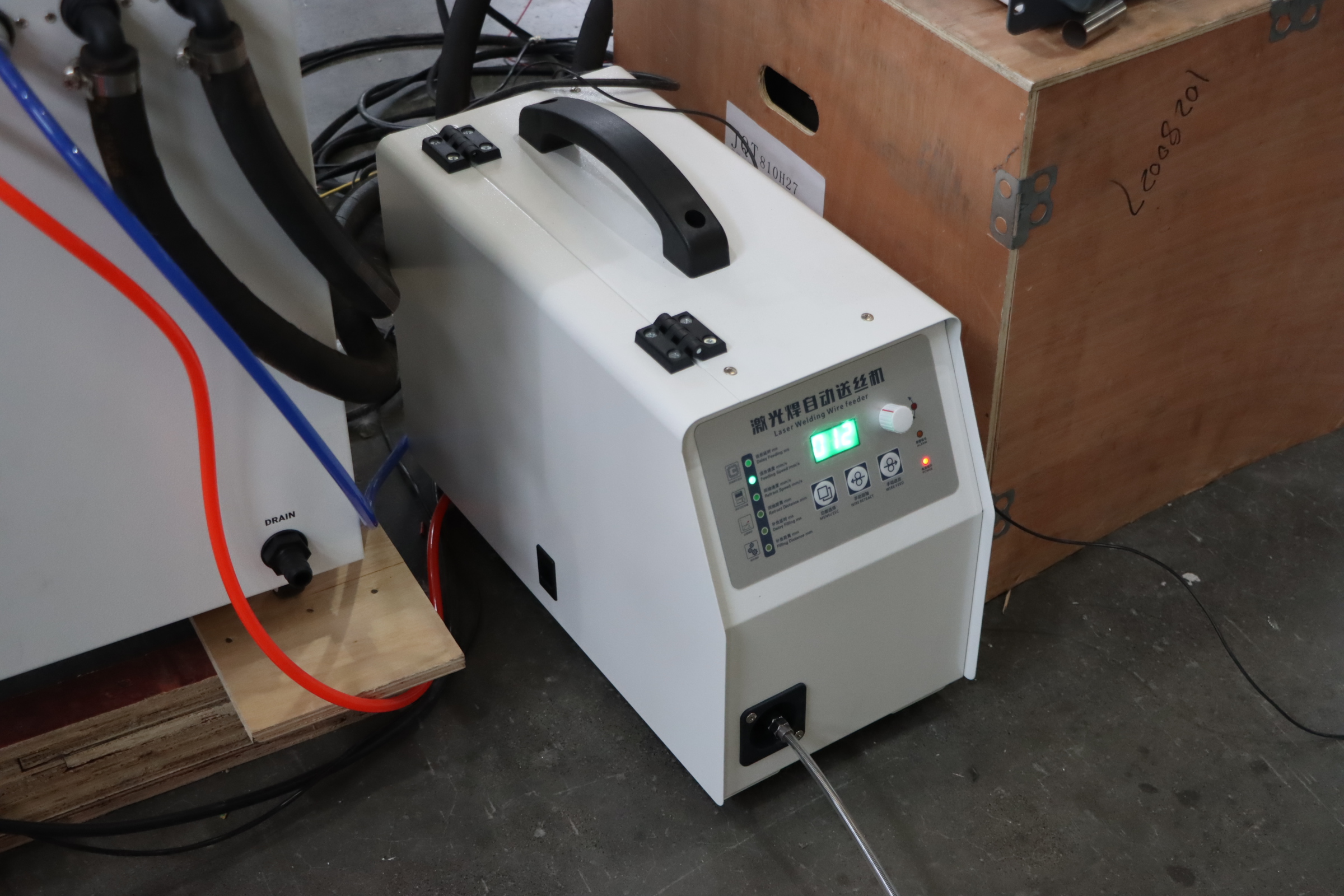
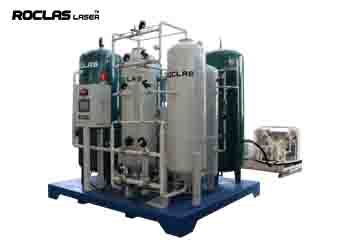
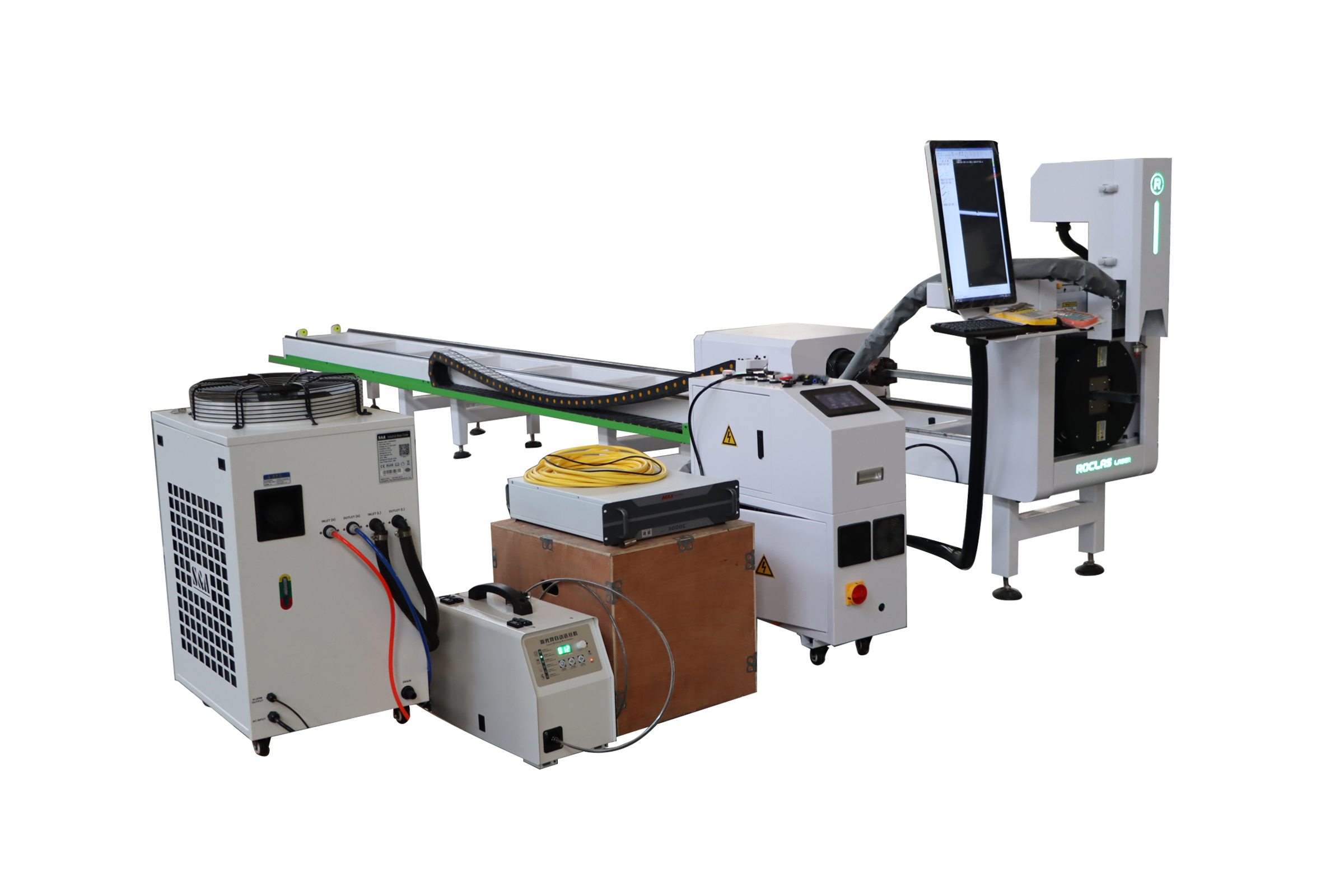
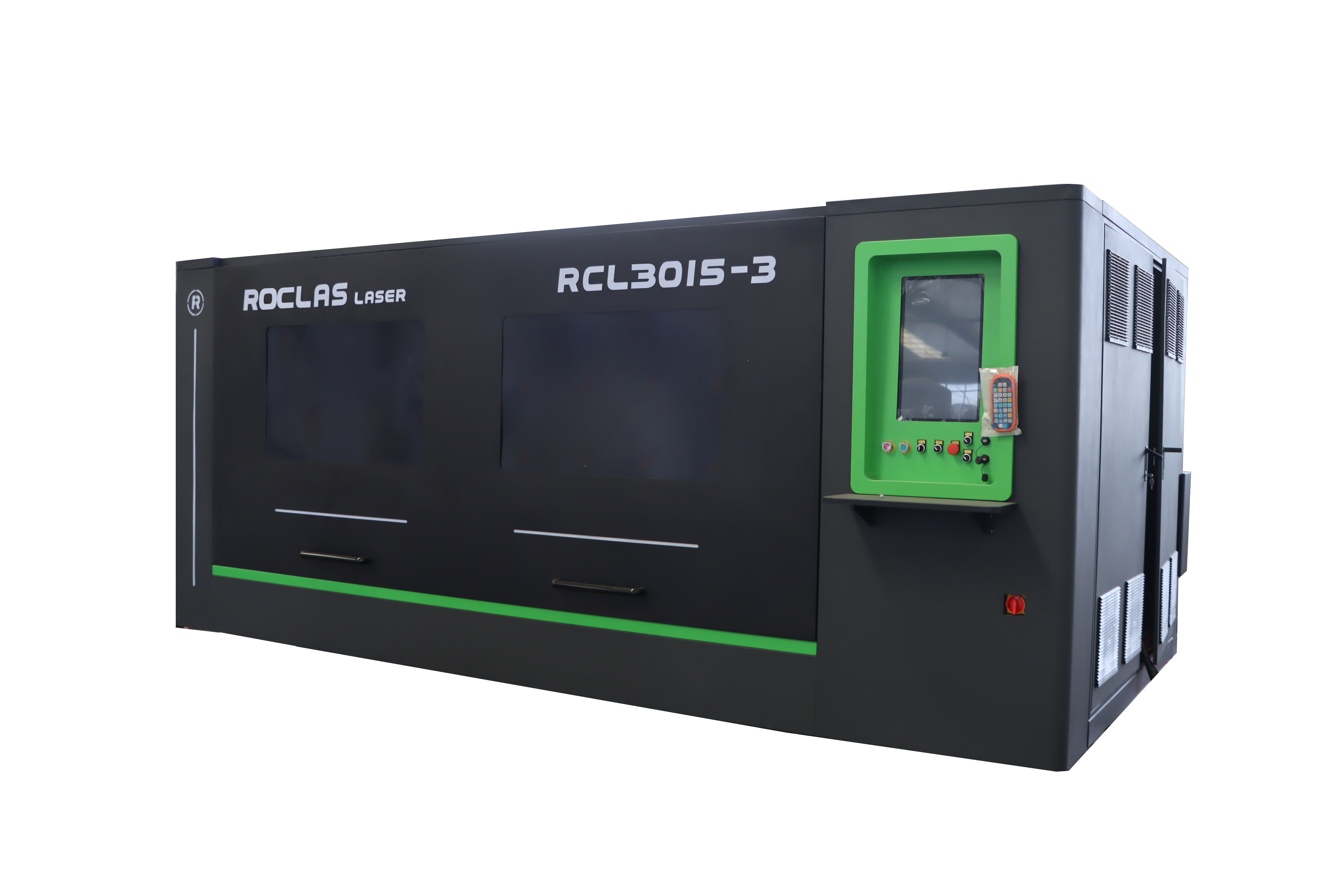
Before discussing freight, it helps to be precise about the cargo itself. A standard 3015 Fiber laser cutting machine with a 3kW–6kW source typically ships as a disassembled set: the machine bed, gantry, laser source, cutting head, control cabinet, chiller, and accessory crates. Larger configurations—for example, a 12kW or 20kW system with an extended 4000×2000mm working area—may require a 40HQ container or even flat-rack shipping depending on the bed design.
This is where bed construction matters. ROCLAS offers both single-piece welded beds and modular screw-connected beds. The modular option uses the same manufacturing quality but eliminates welding, allowing the machine to be separated into sections for easier container loading and lower inland transport costs at destination. For buyers in regions with difficult port access or limited crane capacity, this distinction can meaningfully change the shipping quotation.
2. Export Packaging Standards
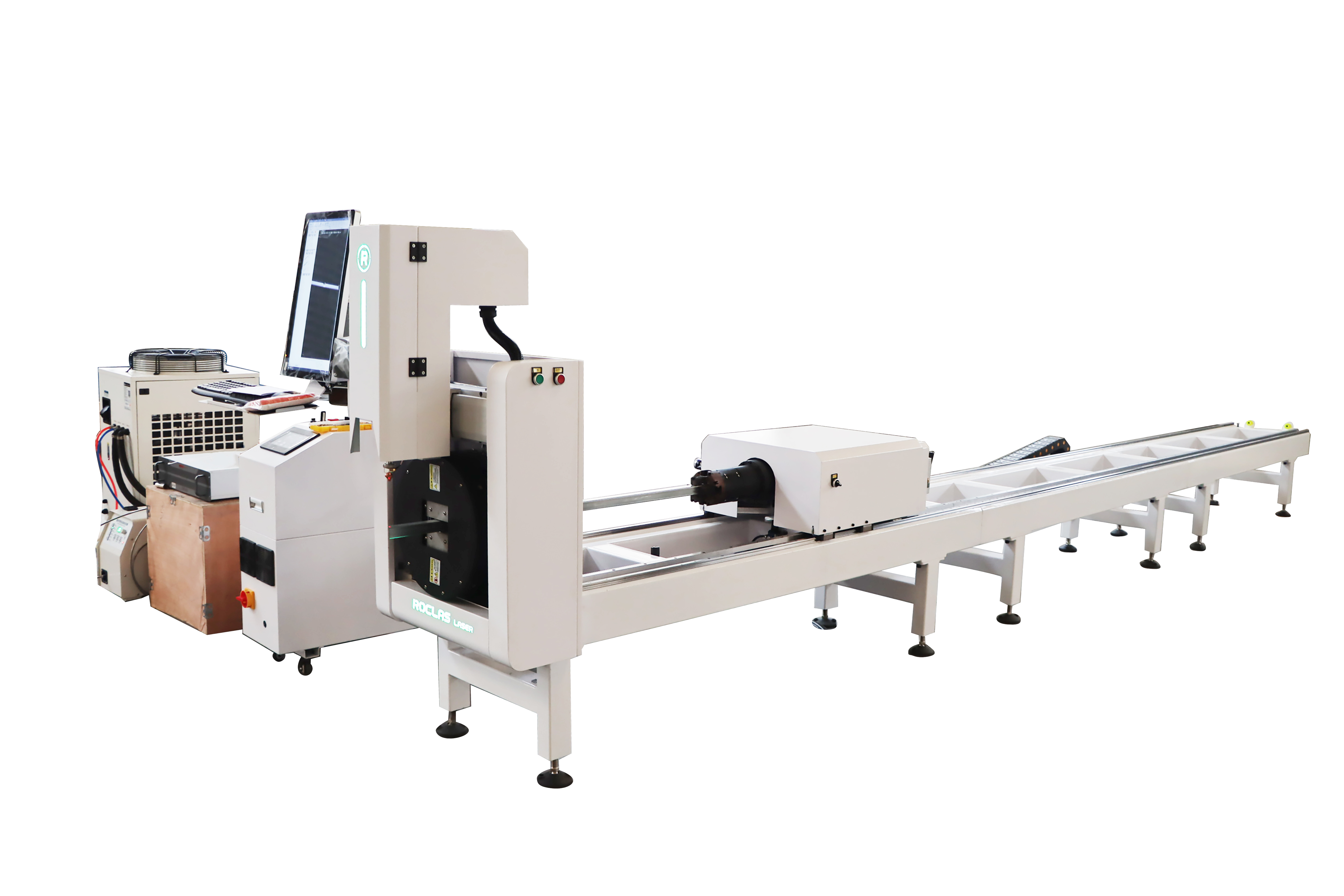
Laser machines are not shipped like general cargo. A responsible manufacturer will apply multi-layer protection:
- Moisture barrier: Vacuum-sealed aluminum foil bags or VCI (vapor corrosion inhibitor) film around the machine body, laser source, and control cabinet. Ocean transit exposes equipment to humidity swings that can corrode guide rails and electrical contacts.
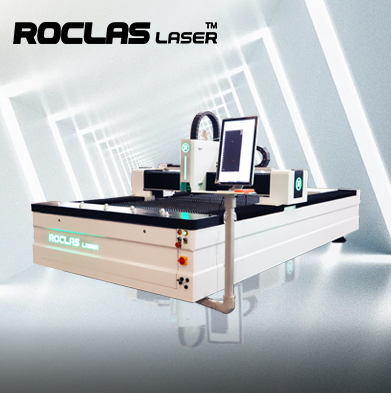
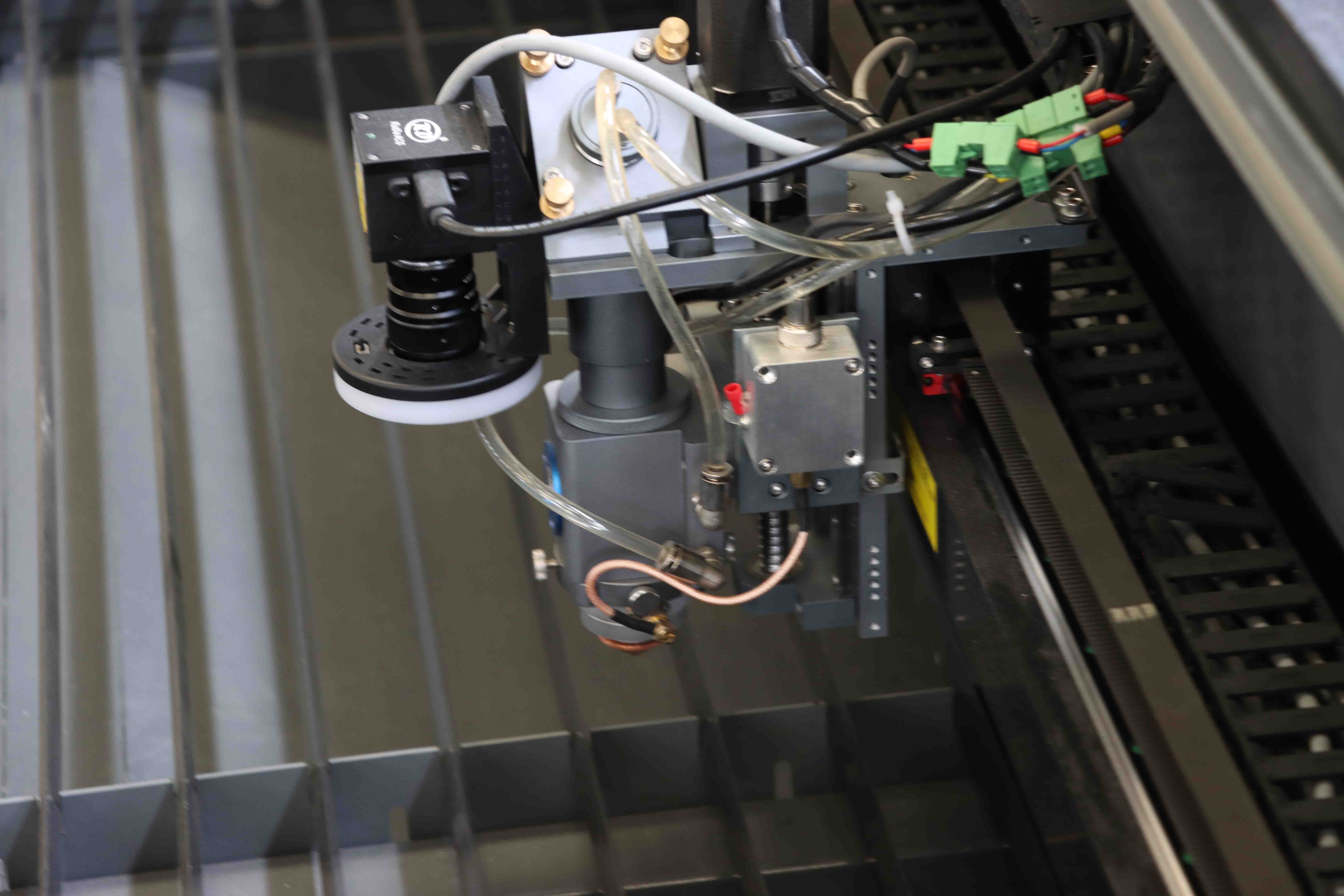
- Shock absorption: Foam padding at stress points, with the laser head and precision optics packed in separate wooden cases.
- Export-grade wooden crates: Heat-treated and fumigated to ISPM 15 standards, otherwise destination customs will refuse or re-treat the shipment at the buyer's expense.
- Container bracing: Steel straps and wooden chocks to prevent shifting during sea transit. A 6-tonne machine that breaks loose inside a container will arrive as scrap.
Buyers should request packing photographs before the container is sealed. Most reputable suppliers, including ROCLAS, provide these as standard documentation.
3. Incoterms: Choosing the Right Terms
The Incoterm you select determines where your responsibility begins and how much risk you carry:
| Incoterm | Seller Responsibility | Buyer Responsibility | Typical Use Case |
|----------|----------------------|---------------------|------------------|
| EXW (Ex Works) | Machine ready at factory | All transport, export clearance, freight, import | Experienced importers with existing forwarders |
| FOB (Free on Board) | Delivery to Chinese port, export clearance | Ocean freight, insurance, import clearance | Most common for laser machine exports |
| CIF (Cost, Insurance, Freight) | Freight and insurance to destination port | Import clearance, inland delivery | Buyers wanting simplified logistics |
| DDP (Delivered Duty Paid) | Everything to buyer's door | Nothing until unloading | Buyers without import licenses |
For most first-time buyers, FOB or CIF offers the best balance of cost control and clarity. DDP is convenient but often carries a hidden premium, and some suppliers refuse it for machines exceeding certain values due to customs complexity.
4. Documentation Requirements
A complete export document set for a laser machine typically includes:
- Commercial invoice and packing list
- Bill of Lading (original or telex release)
- Certificate of Origin
- CE certificate (ICR/VC/HM2403124 for ROCLAS machines) and ISO 9001 certificate (31623Q10581R1S)
- FDA laser product certification where applicable (e.g., 2521816-000 for cutting machines, 2520443-000 for engraving machines)
- Insurance certificate if shipped CIF
- Fumigation certificate for wooden packaging
Missing or inconsistent documents are the single most common cause of customs delays. The HS code classification matters too: fiber laser cutting machines generally fall under 8456.11 or 8456.12 depending on the processing type. Misclassification can trigger inspection, fines, or retroactive duty assessment.
5. Ocean Freight, Insurance, and Timing
Transit times vary by route. From Qingdao or Shanghai to:
- Southeast Asia: 7–14 days
- Middle East: 18–25 days
- Europe: 30–40 days
- North America (West Coast): 18–28 days
- South America: 35–50 days
Marine insurance is not optional for equipment of this value. All-risk coverage should be arranged at 110% of CIF value, with particular attention to the "shock" and "moisture" clauses. Standard carrier liability is capped far below the replacement cost of a 20kW laser source.
6. Port Handling and Inland Transport
At destination, the container must be cleared and the machine moved to the installation site. Key considerations:
- Crane capacity: A fully assembled 3015 machine bed can weigh 4–8 tonnes. Confirm lifting equipment at both port and factory.
- Truck access: Low-bed trailers may be required for oversized beds.
- Unloading plan: Ideally, the supplier's installation engineer should be present or arrive immediately after unloading. ROCLAS, like most established manufacturers, dispatches technical teams for overseas commissioning—but scheduling must be coordinated with the shipping timeline, not after arrival.
7. Installation, Commissioning, and Warranty
Shipping does not end at delivery. The machine must be leveled, aligned, and calibrated. Positioning accuracy specifications—±0.03mm for sheet machines, ±0.05mm for tube cutters—are only achievable after proper installation. Any transit damage must be documented with photographs and a surveyor's report before the container is unpacked further, otherwise insurance claims become difficult.
Warranty terms typically exclude transit damage, which is why the insurance claim process matters. Buyers should also confirm that the supplier's technical support team is reachable during commissioning. Responsiveness at this stage is a reliable indicator of overall after-sales quality.
8. Common Pitfalls to Avoid
- Accepting "FOB" quotes that exclude export clearance fees
- Skipping marine insurance to save 0.3–0.5% of cargo value
- Failing to verify CE/FDA documentation before shipment
- Scheduling installation engineers before customs clearance is confirmed
- Overlooking voltage and frequency compatibility (380V/50Hz is standard for Chinese machines; regions using 480V/60Hz require transformers or factory modification)
Conclusion
Shipping a laser machine from China is a multi-stage process that rewards preparation. The equipment itself—whether a 1.5kW entry-level cutter or a 20kW high-power system from a manufacturer like ROCLAS—is only half the equation. Packaging standards, Incoterm selection, documentation accuracy, insurance coverage, and installation coordination determine whether the machine arrives ready for production or becomes a months-long customs and repair ordeal. Buyers who treat logistics as an engineering problem rather than a purchasing afterthought consistently achieve lower landed costs and faster time-to-production.