Abstract
The global Fiber laser cutting machine market has shifted from a technology adoption phase into a capability differentiation phase. For OEM buyers, system integrators, and industrial end users, the decisive question is no longer whether fiber laser cutting works, but who can deliver a machine platform that is stable, certifiable, and adaptable to regional manufacturing conditions. This article examines the technical and commercial dimensions of sourcing fiber laser cutting machines through OEM channels, using Roclas Machinery as a representative case of a manufacturer that combines in-house R&D, heavy-duty structural design, and internationally recognized compliance credentials.
Industry Context and Market Data
Fiber laser cutting has become the default metal fabrication method across sheet metal, automotive, aerospace, furniture, and advertising industries. The technology's advantages over CO2 and plasma cutting are well documented: higher electro-optical conversion efficiency, lower kerf loss, reduced maintenance, and the ability to process reflective materials such as copper and aluminum when equipped with proper suppression modules.
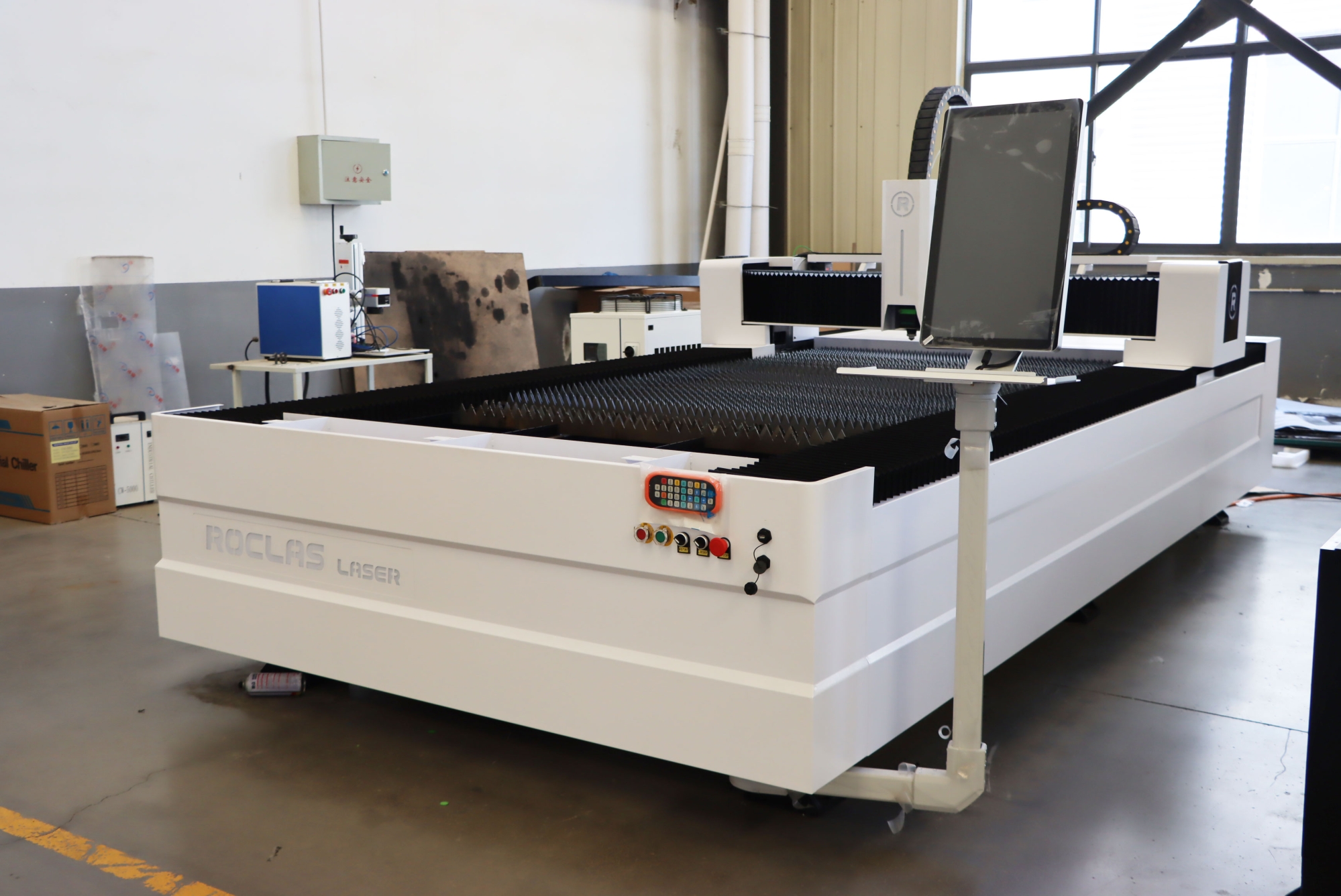
What distinguishes suppliers today is not the laser source itself—Raycus and MAX units are widely available—but the machine frame, motion system, control integration, and quality certification. These are the areas where OEM partnerships succeed or fail.
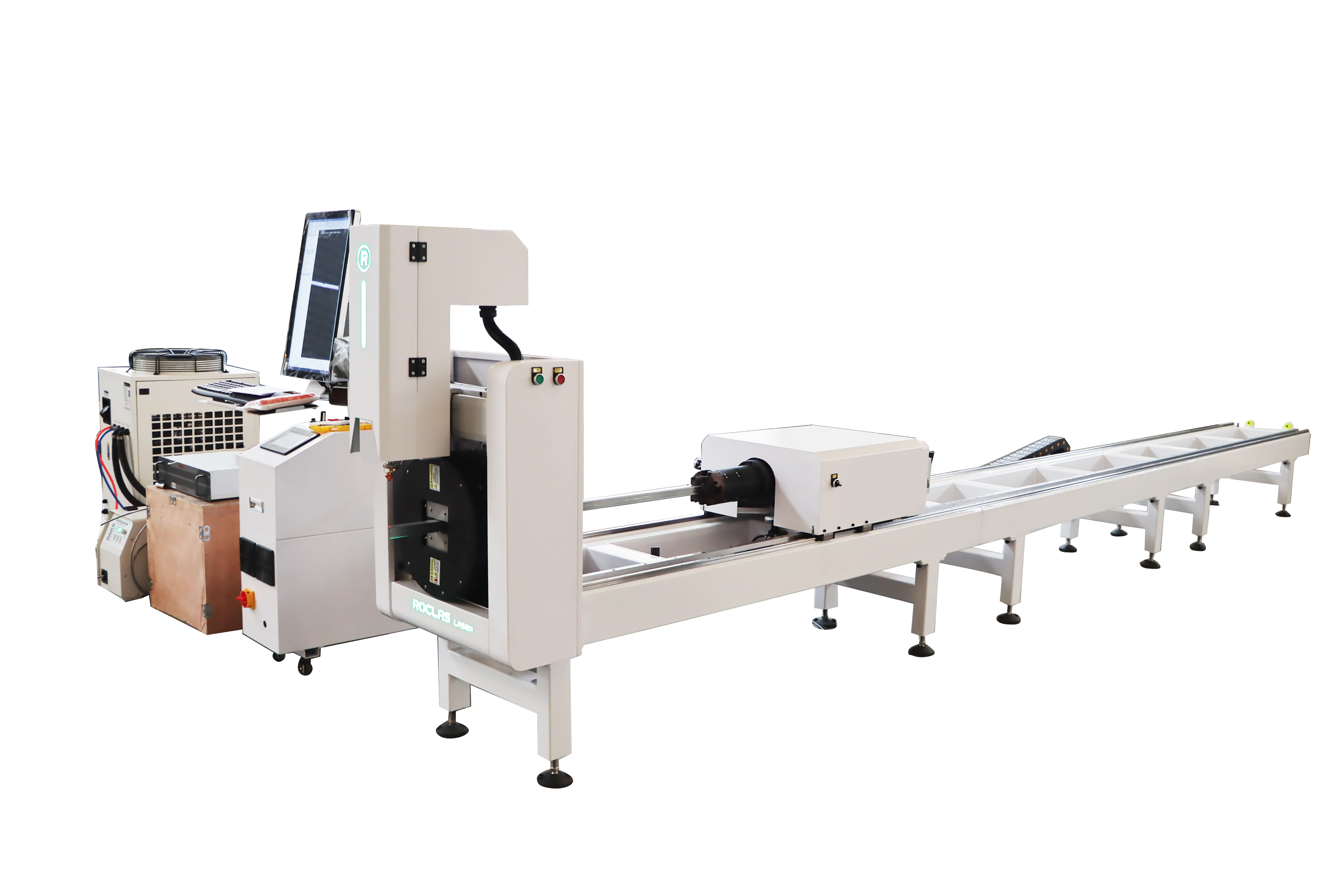
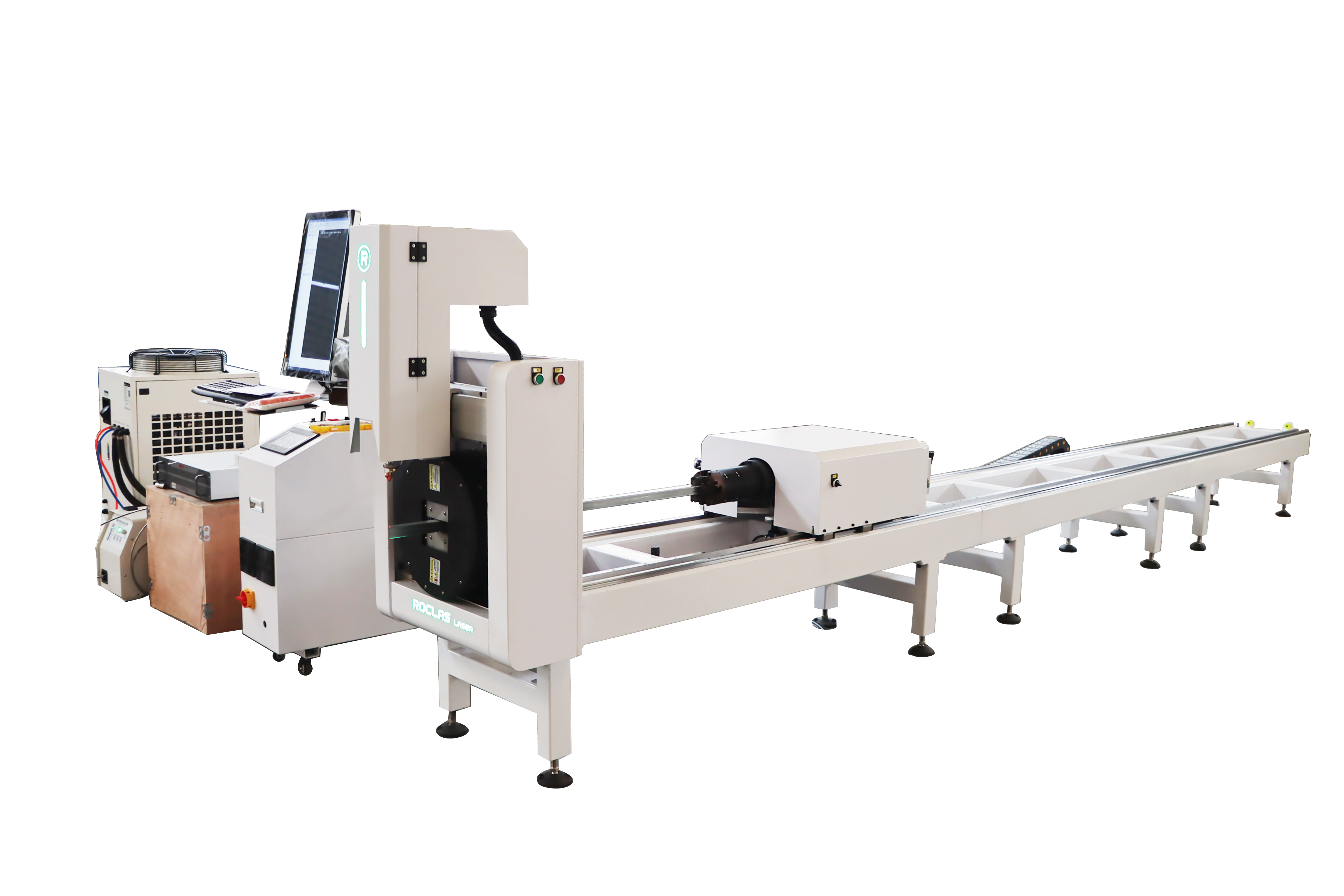
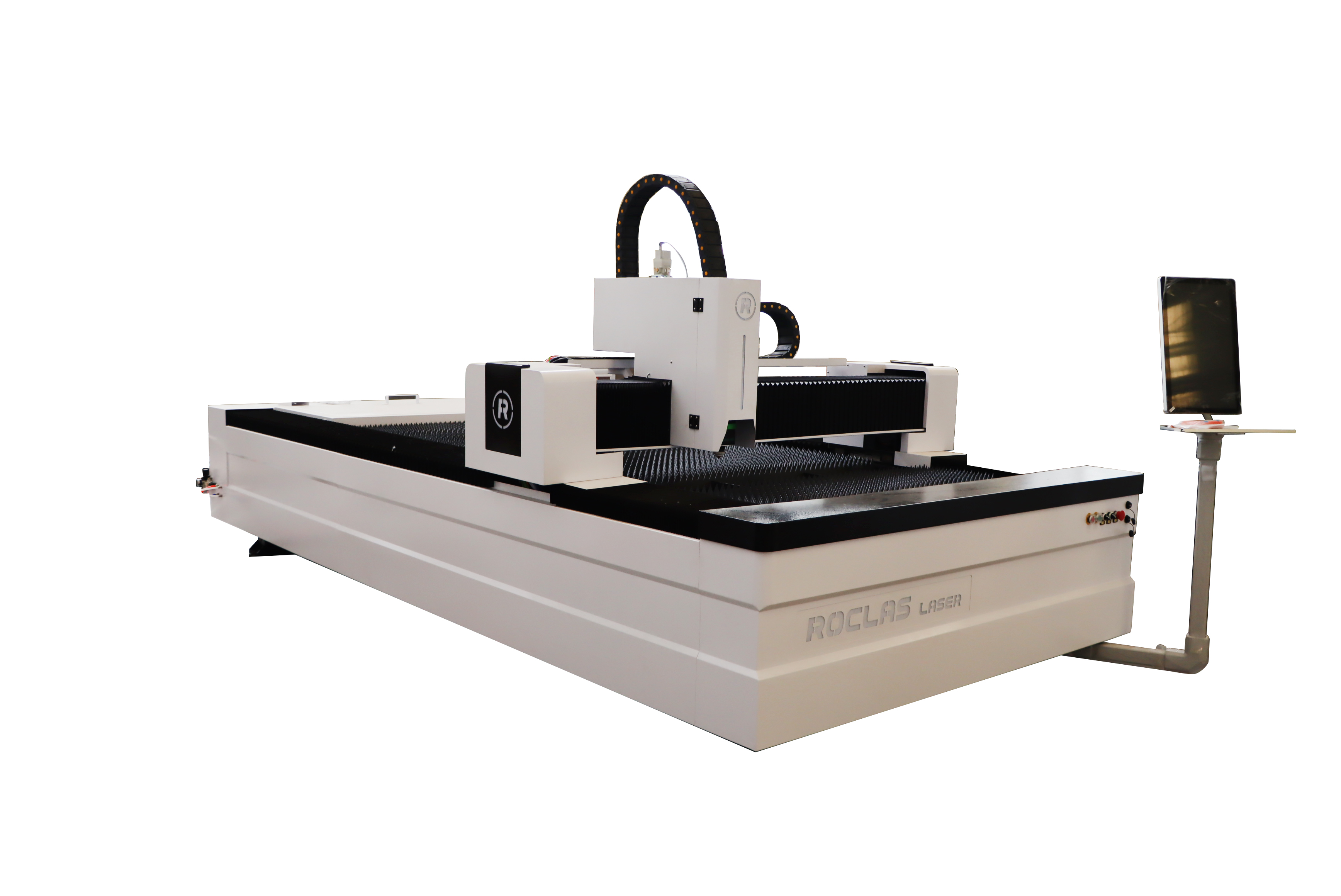
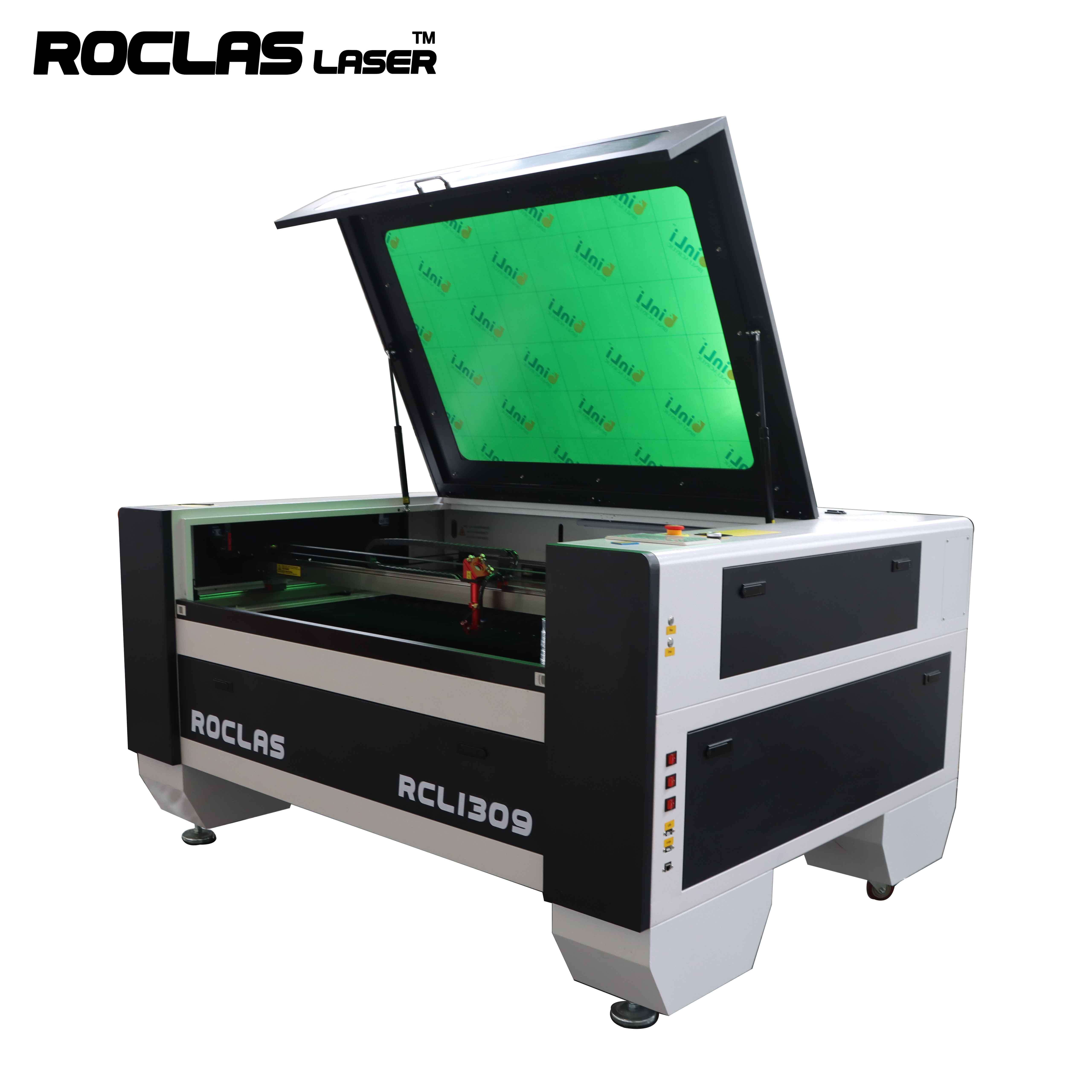
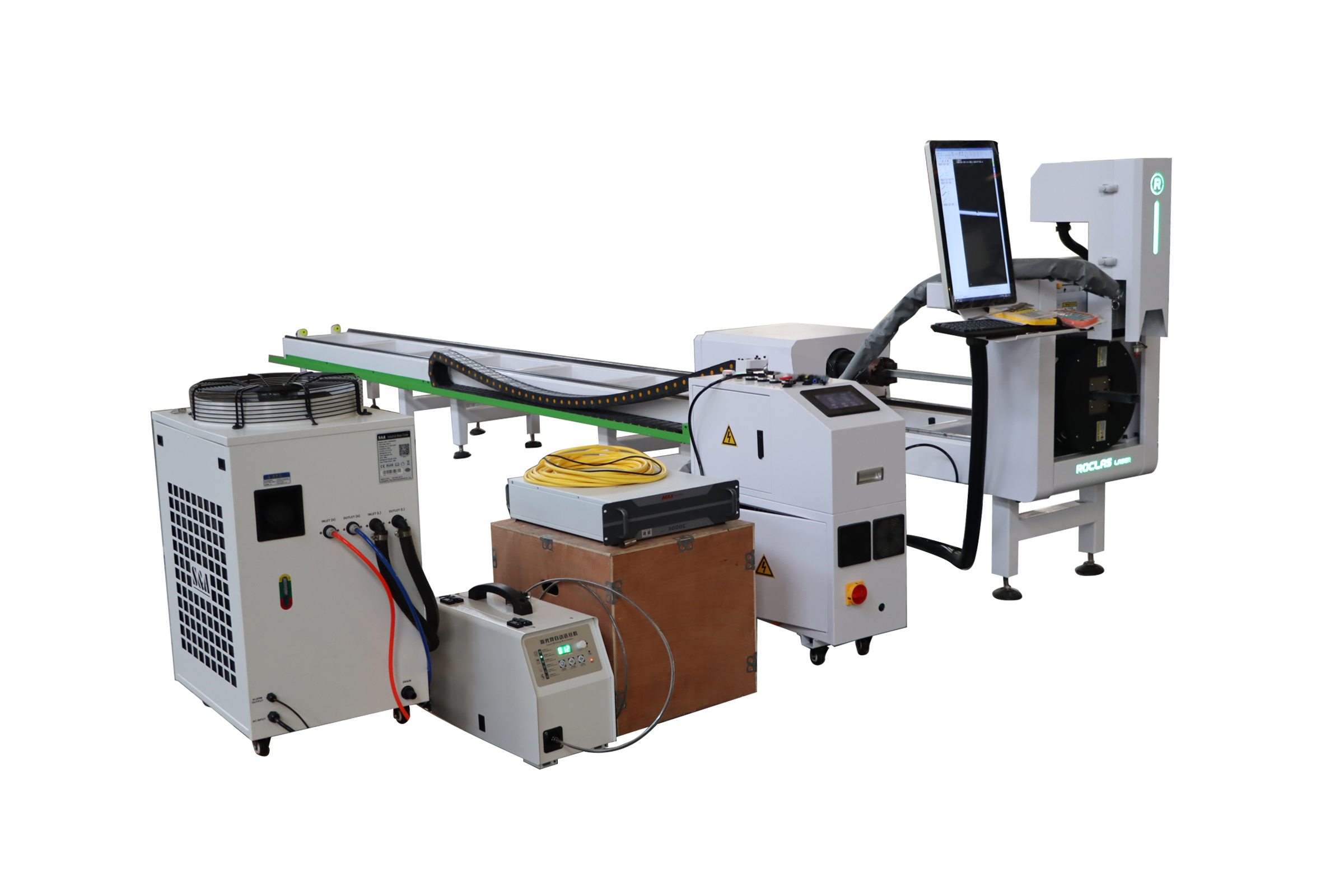
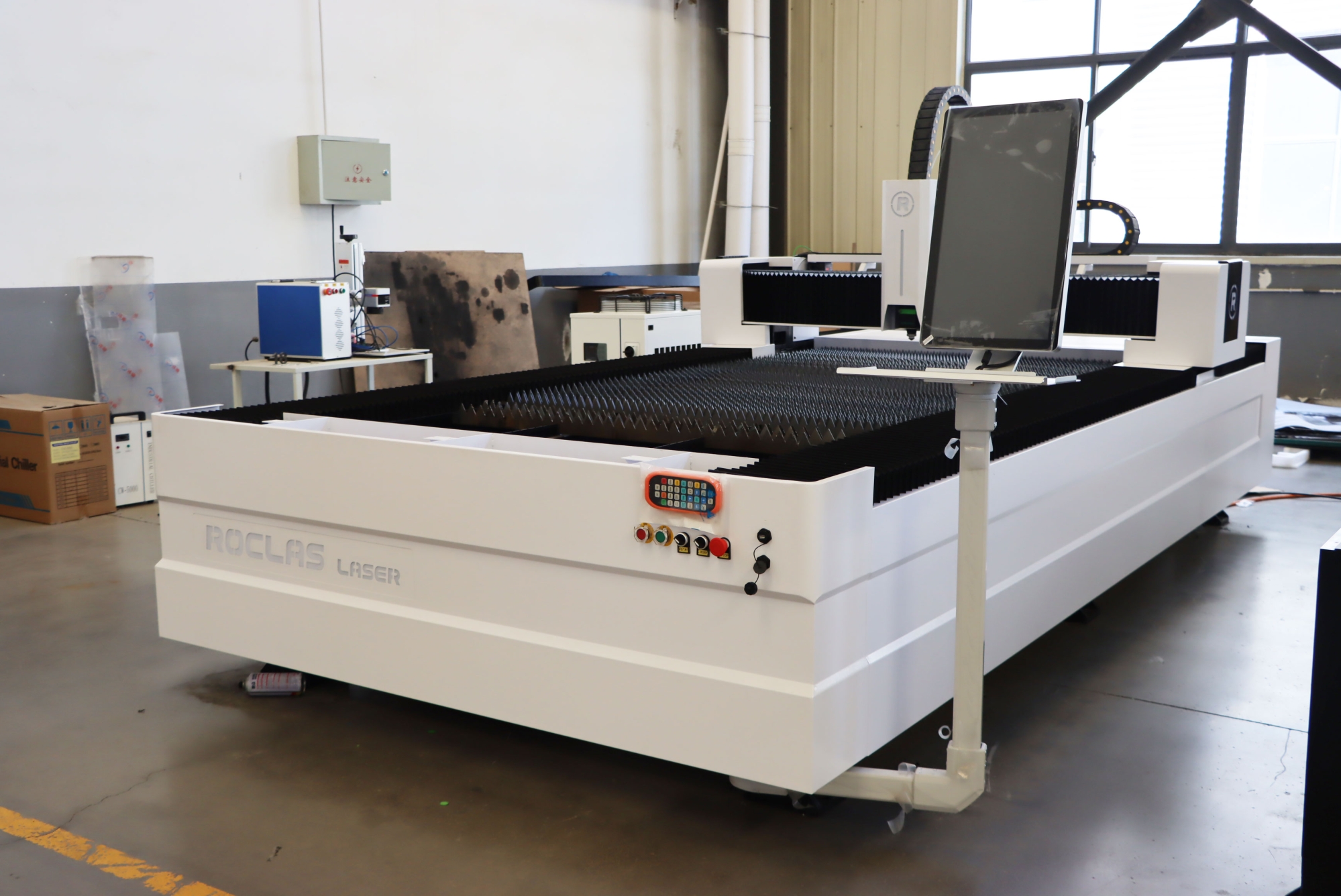
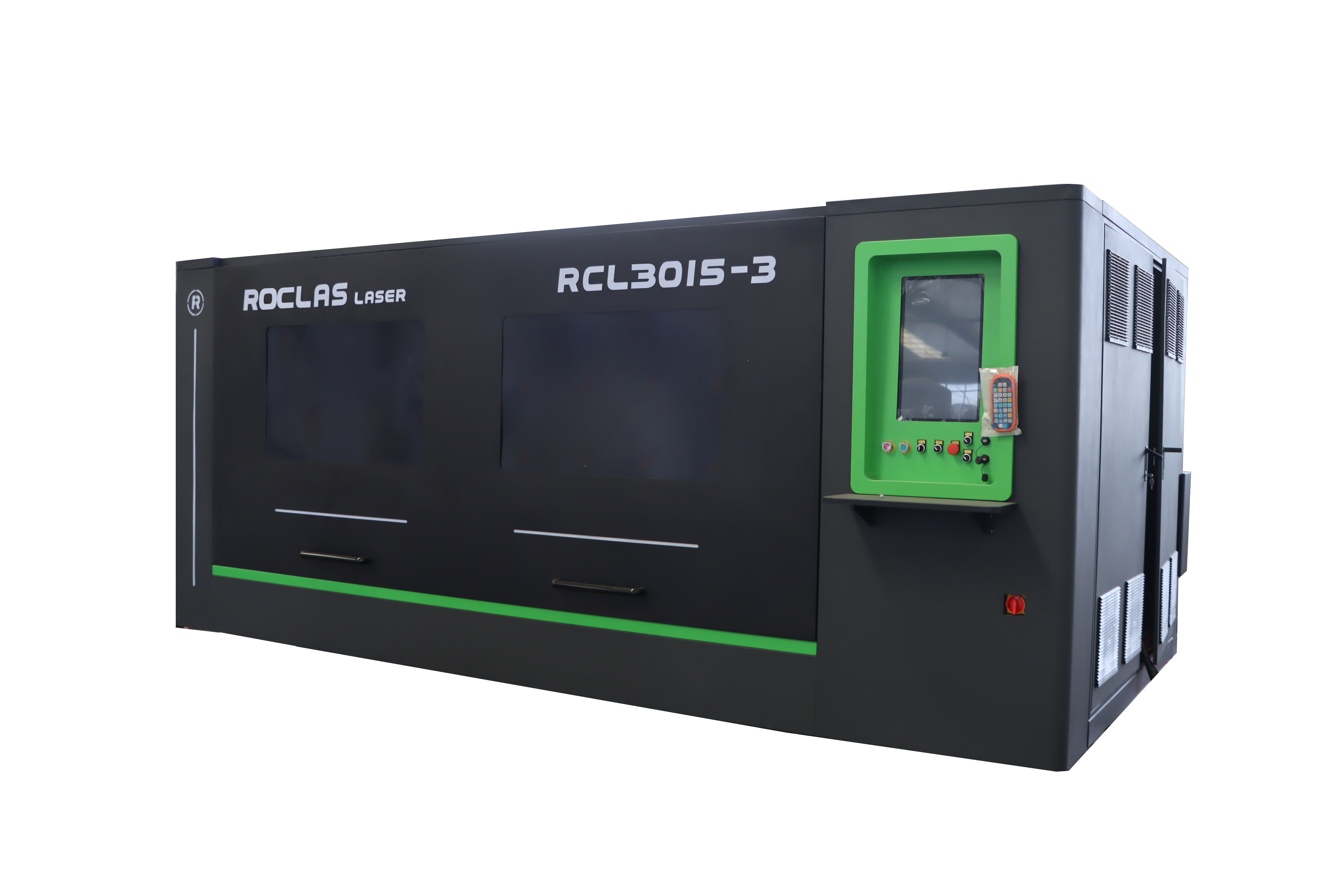
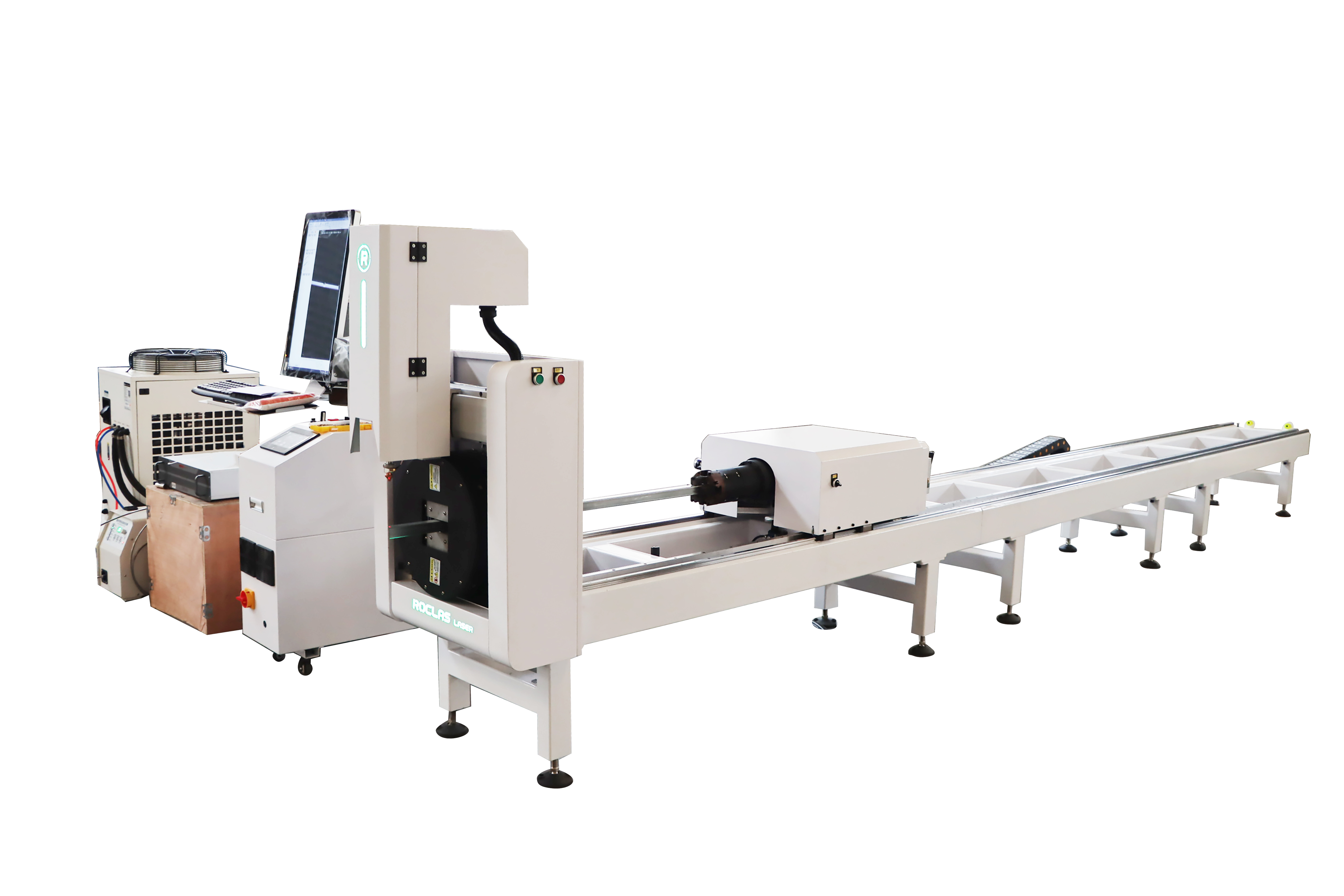
The table below summarizes representative technical parameters across typical fiber laser cutting configurations, illustrating the performance envelope OEM buyers should expect from a competent manufacturer.
| Parameter | Standard Sheet Machine | Tube Cutting Machine | 5-Axis Cutting Center |
|---|---|---|---|
| Working Area | 3000×1500 / 4000×2000 mm | 1500×4000 mm | Custom 3D envelope |
| Laser Power Range | 1000W – 20KW | 1000 – 3000W | Application-dependent |
| Positioning Accuracy | ±0.03 mm | ±0.05 mm | ±0.03 mm |
| Repositioning Accuracy | ±0.02 mm | ±0.03 mm | ±0.02 mm |
| Max Travel Speed | 100 m/min | 100 m/min | High dynamic |
| Max Acceleration | 1.0G | 1.0G | 1.0G |
| Control System | Cypcut 3000S | Cypcut 3000S | Cypcut 3000S |
| Laser Head | Raytools | Raytools | Raytools |
| Servo System | Leadshine | Leadshine | Imported servo drives |
Three observations follow from this data. First, positional accuracy in the ±0.02–0.05 mm range is now a baseline expectation, not a premium feature. Second, the 1.0G acceleration ceiling reflects mature gantry and servo tuning; machines that cannot sustain this under continuous operation are structurally compromised. Third, power scalability from 1KW to 20KW in a single platform indicates that OEM buyers can standardize on one control architecture across multiple production tiers.
Technical Application and OEM Considerations
For OEM buyers, the critical evaluation criteria extend beyond datasheet specifications. Structural rigidity determines long-term accuracy retention. Roclas addresses this through industrial-grade heavy-duty steel structure design, with frames processed on CNC five-face machining centers—a manufacturing method that ensures dimensional consistency across production batches. The company also offers both single-piece welded beds and modular screw-connected beds, the latter preserving identical manufacturing quality while enabling disassembly for international shipping.
Component sourcing is another OEM decision point. Roclas integrates France Schneider electrical components, Japan SMC pneumatics, Yade electric equipment, and German igus cabling, alongside imported servo drives and reducers. This mix reflects a deliberate strategy: use globally serviceable components to reduce after-sales friction in export markets, while maintaining cost competitiveness through in-house frame fabrication and assembly.
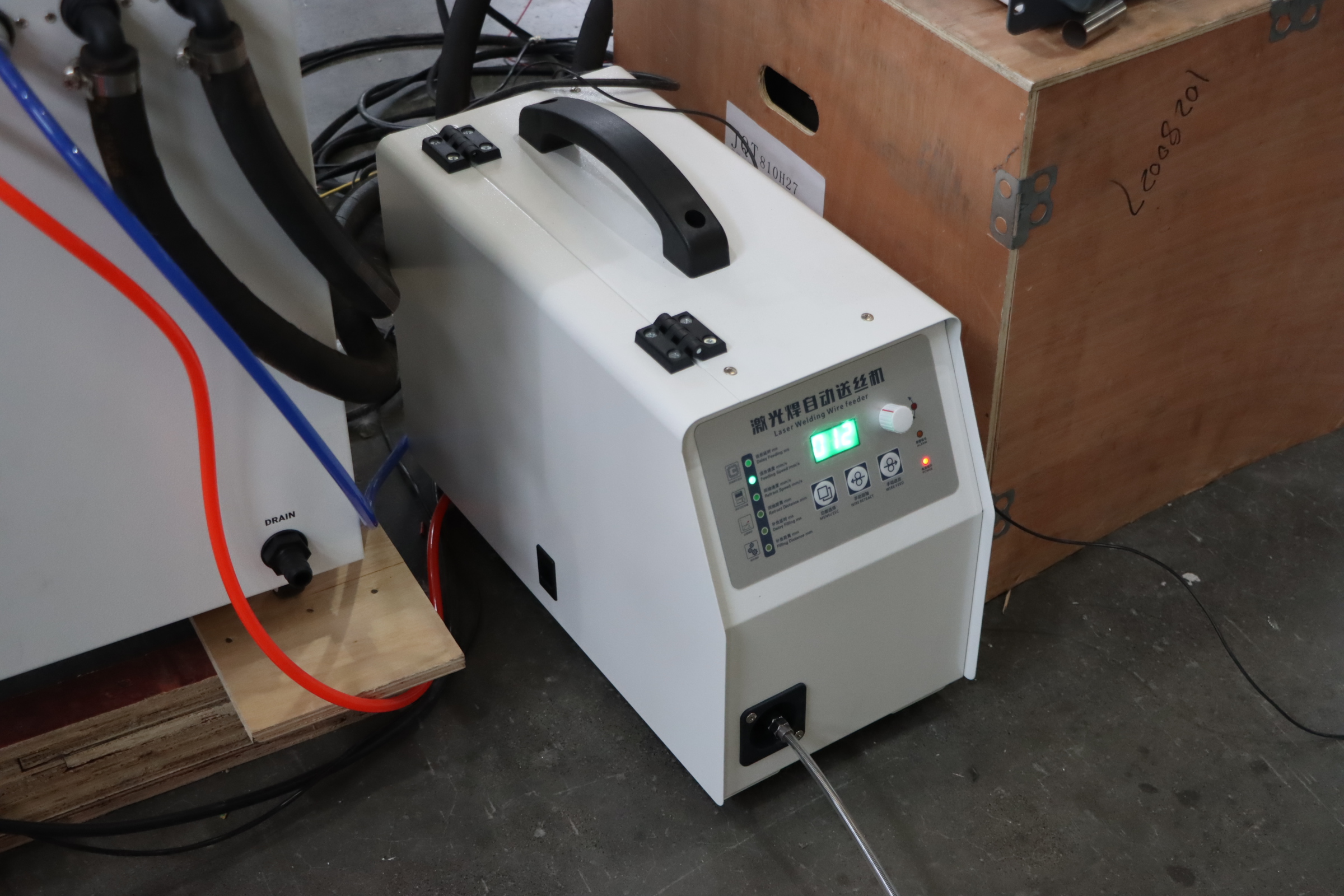
The laser source and control ecosystem matter equally. Roclas machines support Raycus and MAX laser sources with Cypcut 3000S control, and Raytools welding/cutting systems on hybrid models. For OEM buyers distributing into markets with varying technical support maturity, this standardization simplifies spare parts logistics and operator training.
Two technical capabilities deserve specific mention for OEM evaluation. The high-reflectivity suppression module allows stable processing of 1–2 mm copper and 2–3 mm aluminum—materials that frequently cause back-reflection damage in lesser systems. Separately, the 5-axis fiber laser platform uses a fixed gantry with movable workbench and a three-dimensional head capable of n×360° infinite rotation, enabling complex 3D workpiece processing and rapid changeover between cutting and welding heads without recalibration.
Compliance and Market Credibility
OEM partnerships increasingly hinge on certification. Roclas holds ISO 9001 (Certificate No. 31623Q10581R1S), CE certification (ICR/VC/HM2403124), FDA laser product certification for both cutting (2521816-000) and engraving (2520443-000), plus UL and PDL certifications. For OEM buyers selling into North America or the EU, these credentials eliminate a significant compliance burden and shorten time-to-market.
The company's IP position—50+ patents with 10+ added annually—also signals sustained R&D investment rather than assembly-only operations. A 15-member R&D team with 15+ years of CNC industry experience supports this, as does the availability of auxiliary systems including nitrogen generators (99.999% purity, 9KW total power) and steel coil uncoiler lines for high-volume sheet processing.
Conclusion and Outlook
The fiber laser cutting machine OEM landscape rewards buyers who look past laser power ratings and evaluate structural engineering, component traceability, and certification depth. Roclas Machinery illustrates a model where heavy-duty frame fabrication, multi-source laser integration, and comprehensive international certifications combine to serve OEM channels across metal processing, automotive, aerospace, furniture, and tube fabrication sectors.
As the market moves toward higher power densities, automated material handling, and integrated cutting-welding-cleaning workflows, the OEM manufacturers that will retain relevance are those capable of maintaining accuracy at 20KW and beyond while keeping total cost of ownership predictable. Structural rigidity, servo tuning, and after-sales component availability—not headline wattage—will remain the true differentiators.