Meta Description: Wondering how much a CNC laser cutting machine costs? This guide breaks down fiber laser pricing by power, configuration, and brand so you can budget with confidence.
---
Introduction: Why Laser Cutting Machine Prices Vary So Much
If you have spent any time shopping for a CNC laser cutting machine, you have probably noticed that prices swing wildly—from under $10,000 for an entry-level unit to well over $200,000 for a high-power industrial system. That gap is not arbitrary. It reflects real differences in laser power, machine structure, control systems, automation features, and the manufacturer behind the equipment.
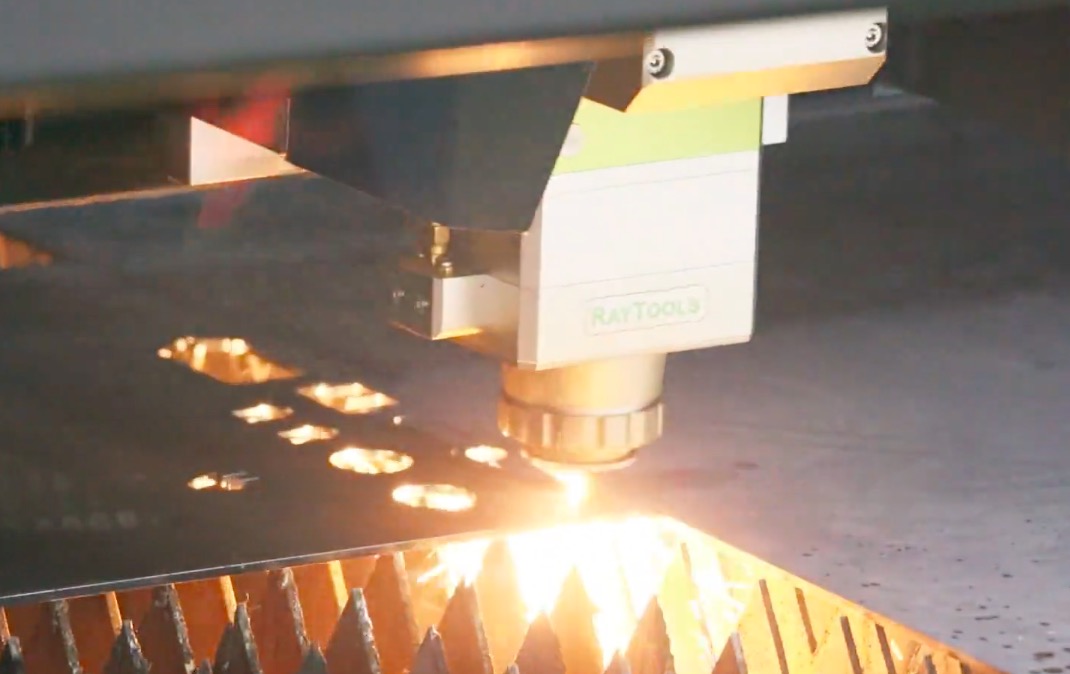
This article explains what actually drives the cost of a Fiber laser cutting machine, gives you realistic price ranges by power level, and shows you how to evaluate whether a machine is worth its asking price. Whether you are a job shop owner adding capacity or a manufacturer replacing an aging CO2 system, understanding the cost structure will help you negotiate from a position of knowledge.
---
The Main Cost Drivers of a Laser Cutting Machine
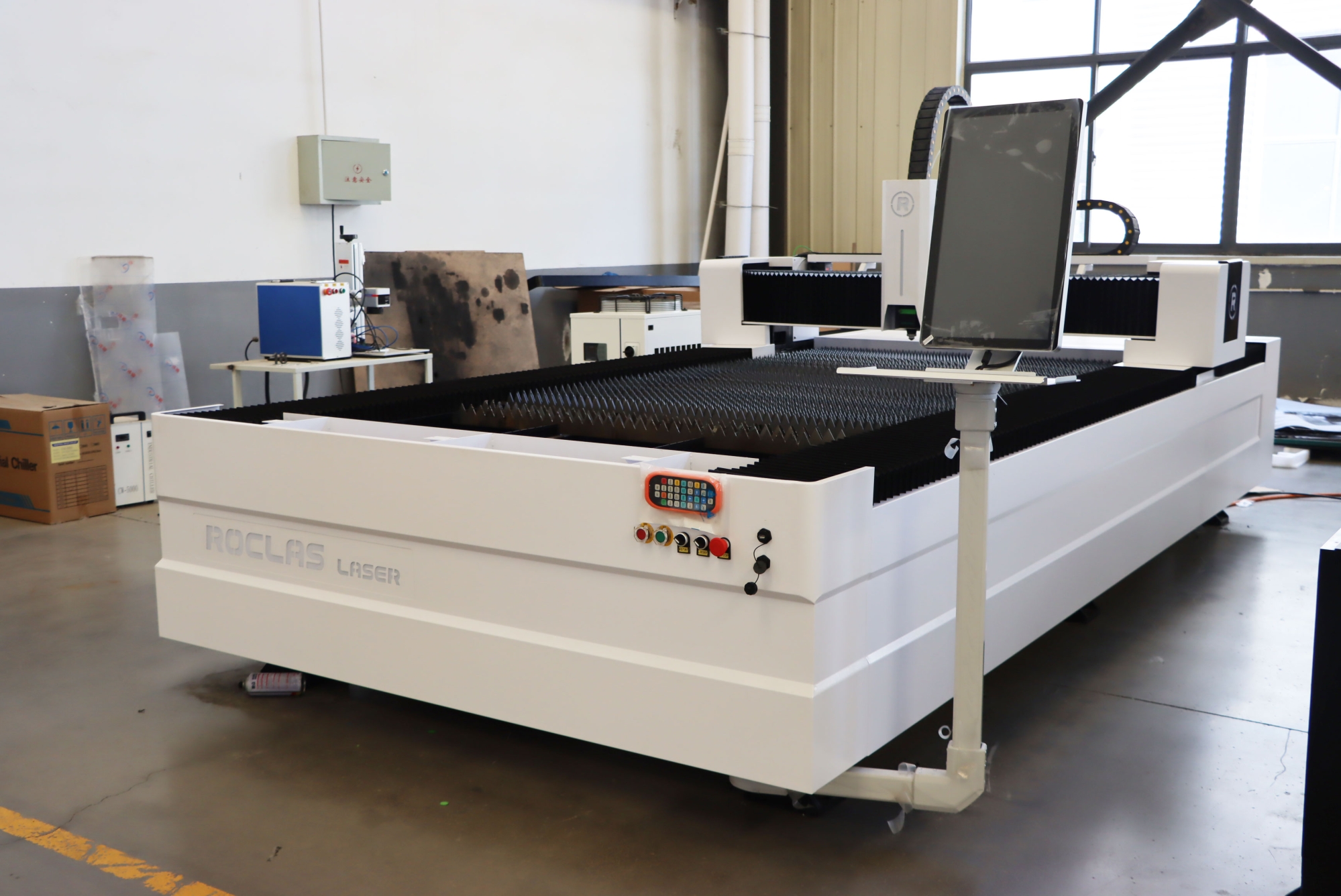
Before looking at numbers, it helps to understand the five factors that determine price:
1. Laser Power (Wattage)
This is the single biggest cost driver. A 1,500W fiber laser source costs a fraction of a 12,000W source. Higher power means faster cutting and the ability to cut thicker material—but it also means a bigger investment.
2. Machine Structure and Bed Size
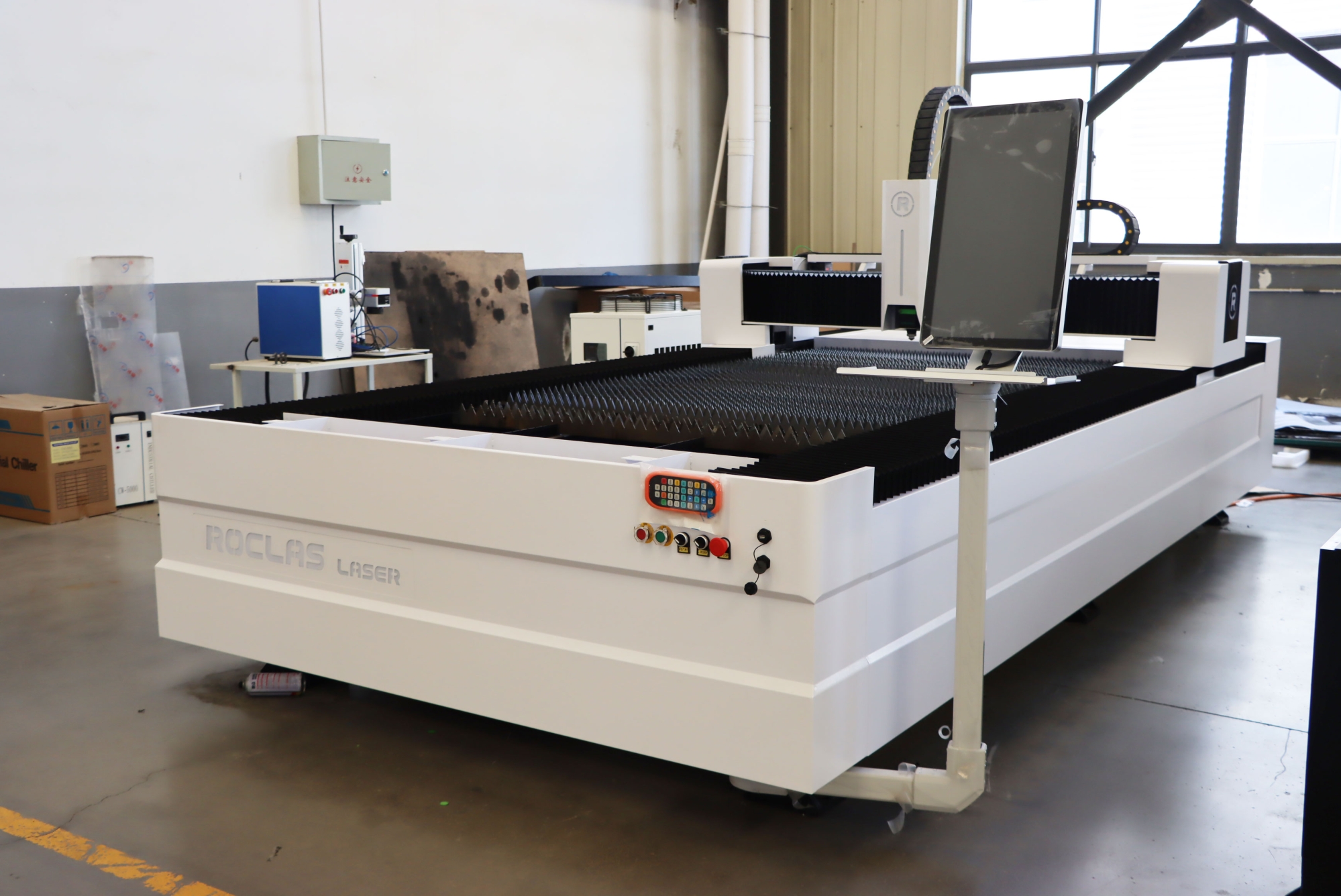
Industrial-grade heavy-duty steel structures cost more than lightweight frames, but they hold accuracy over years of use. Working areas range from 1500×3000mm up to 4000×2000mm and beyond. Larger beds require more material and more robust motion systems.
3. Laser Source Brand
Raycus and MAX are the two most common fiber laser source brands in the mid-market. IPG and nLIGHT sources sit at the premium end. The source alone can account for 30–40% of total machine cost.
4. Control System and Components
A machine running Cypcut 3000S control software with imported servo drives, German igus cables, and Raytools laser heads will cost more than a machine using generic components—and it will hold tolerance longer.
5. Automation and Auxiliary Equipment
Nitrogen generators, automatic nesting software, robotic arms, waste conveying systems, and coil-fed uncoilers all add to the bottom line but reduce labor costs over time.
---
Typical Price Ranges by Power Level (2025 Estimates)
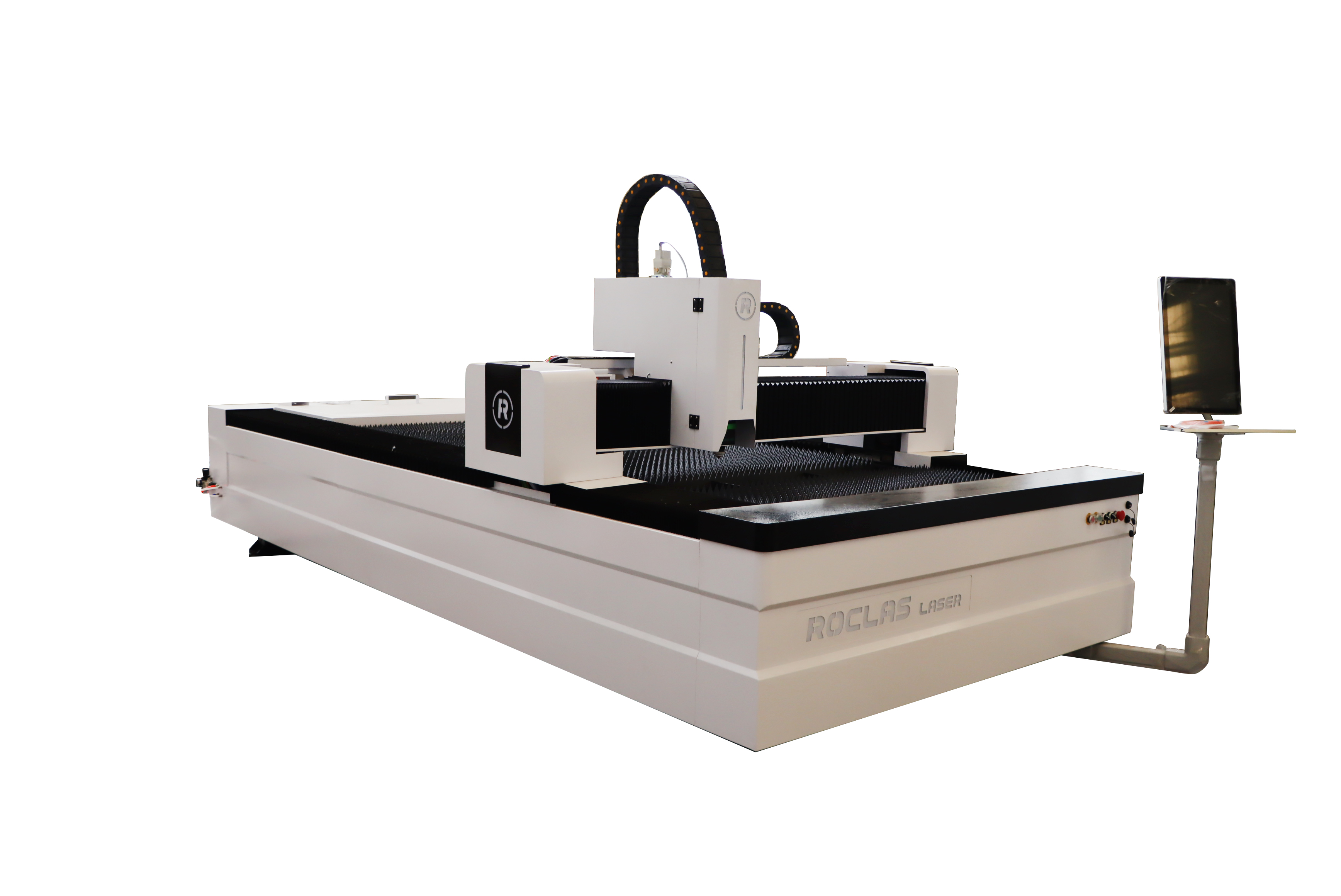
The table below gives ballpark pricing for standard sheet metal fiber laser cutting machines. Prices vary by region, configuration, and negotiation, but these ranges reflect the current global market.
| Laser Power | Typical Cutting Thickness (Mild Steel) | Estimated Price Range (USD) | Best For |
|---|---|---|---|
| 1,000W–1,500W | 4–6mm | $12,000–$25,000 | Startups, thin sheet, signage |
| 2,000W–3,000W | 8–12mm | $25,000–$45,000 | Job shops, general fabrication |
| 4,000W–6,000W | 16–20mm | $45,000–$80,000 | Medium production, stainless work |
| 8,000W–12,000W | 25–30mm | $80,000–$150,000 | Heavy fabrication, structural steel |
| 15,000W–20,000W | 35–50mm | $150,000–$250,000+ | High-volume industrial cutting |
Reading the table: Notice that price does not scale linearly with power. Doubling wattage from 3,000W to 6,000W does not double the price—it typically adds 60–80%. This is because the frame, control system, and motion components are shared across power levels. The jump from 12,000W to 20,000W is steeper because it requires a fundamentally heavier machine structure and more advanced cooling.
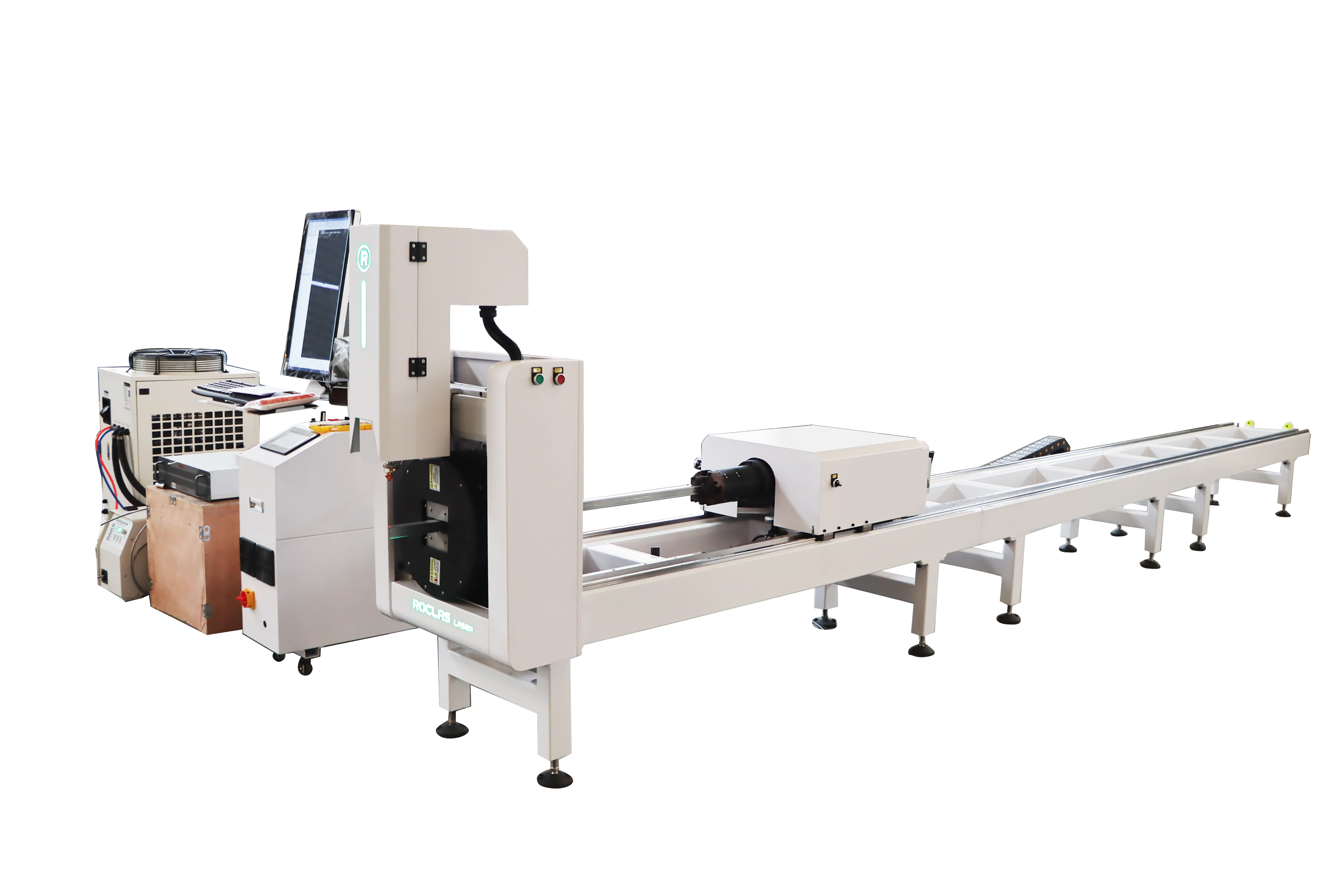
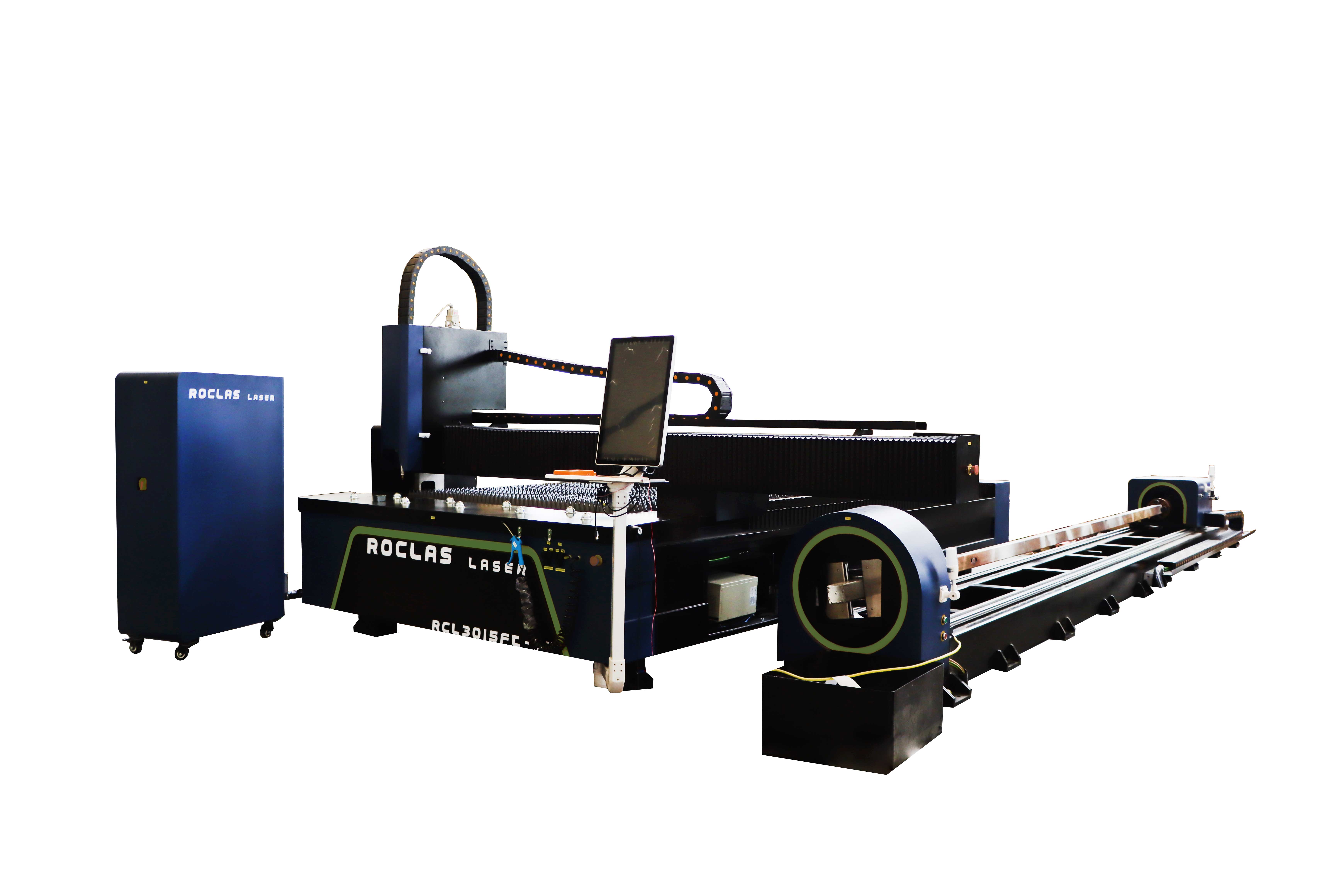
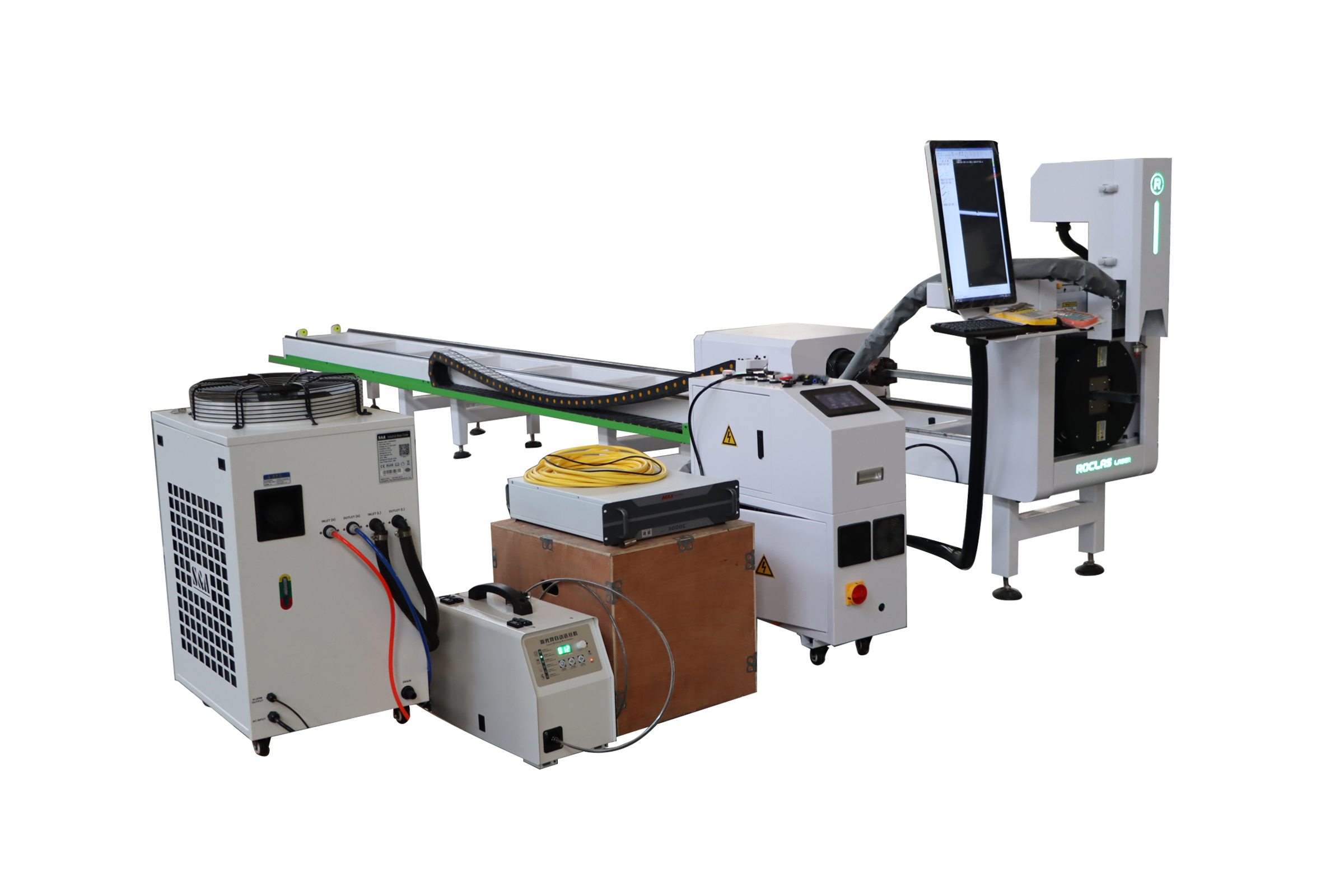
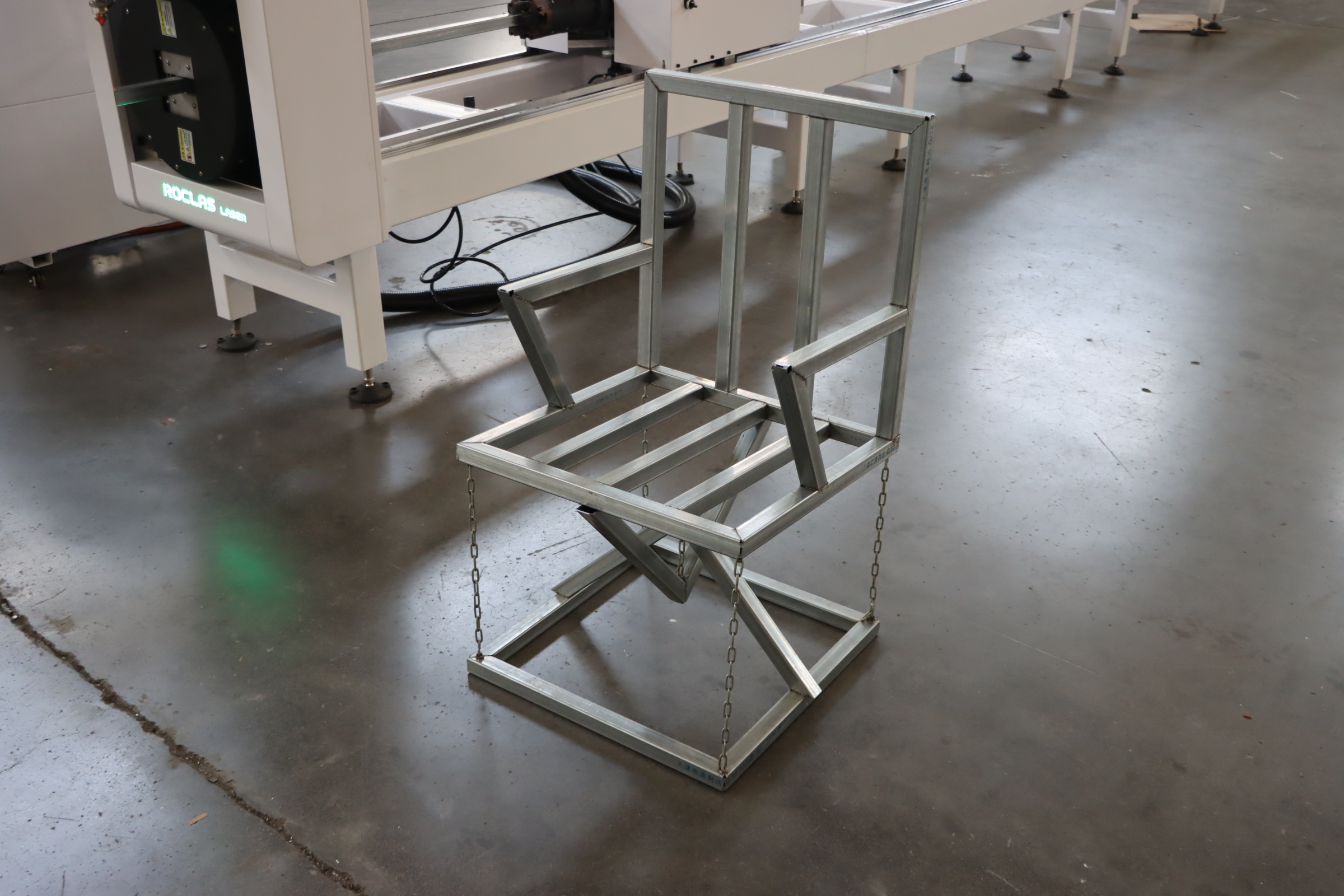
Also note that tube cutting machines and sheet-and-tube integrated machines carry different pricing. A dedicated tube fiber laser cutting machine with a 220mm max tube diameter typically starts around $30,000–$50,000 depending on power and chuck configuration.
---
What About CO2 Laser Machines?
co2 laser cutting machines occupy a different price tier. A 200W–500W CO2 machine with a 1500×3000mm working area—capable of cutting wood, acrylic, leather, and fabric—typically costs between $8,000 and $20,000. Hybrid CO2 + fiber machines, which process both metals and non-metals on a single platform, sit higher, usually in the $25,000–$50,000 range.
These machines remain popular in furniture, advertising, and craft industries where non-metal processing is the primary need and metal cutting is occasional.
---
Hidden Costs to Budget For
The purchase price is not the total cost of ownership. Buyers should also plan for:
- Installation and training: Often included, but confirm this before signing.
- Nitrogen generator: $8,000–$15,000 if you cut stainless steel regularly. A 99.999% purity unit with 3.8m³/min handling capacity is a common choice.
- Consumables: Nozzles, protective lenses, and focus lenses wear out. Budget $1,000–$3,000 per year depending on usage.
- Power supply requirements: Most industrial fiber lasers need 380V/50Hz three-phase power. If your facility lacks this, add electrical upgrade costs.
- Software: Cypcut and similar control systems are usually bundled, but advanced nesting or MES integration may cost extra.
---
How to Evaluate Whether a Machine Is Priced Fairly
A low price is not always a bargain. Here is what to check:
Structure: Is the bed a single-piece welded design or a modular screw-connected design? Both can be high quality, but modular designs cost less to ship and do not require welding—a legitimate cost saving, not a compromise.
Components: Look for named brands. France Schneider electrics, Japan SMC pneumatics, Yade electric equipment, and German igus cables signal a manufacturer that did not cut corners.
Accuracy specs: Positioning accuracy of ±0.03mm and repositioning accuracy of ±0.02mm are industry-standard benchmarks for quality sheet metal machines. Tube machines typically spec ±0.05mm positioning accuracy. If a machine cannot meet these, the low price reflects lower capability.
Certifications: ISO 9001, CE, FDA, and UL certifications cost money to obtain and maintain. Their presence indicates a manufacturer serious about quality and export compliance.
Support: Ask about response times, spare parts availability, and whether the manufacturer has a technical support team. A machine is only as good as the service behind it.
---
Where Roclas Fits in the Market
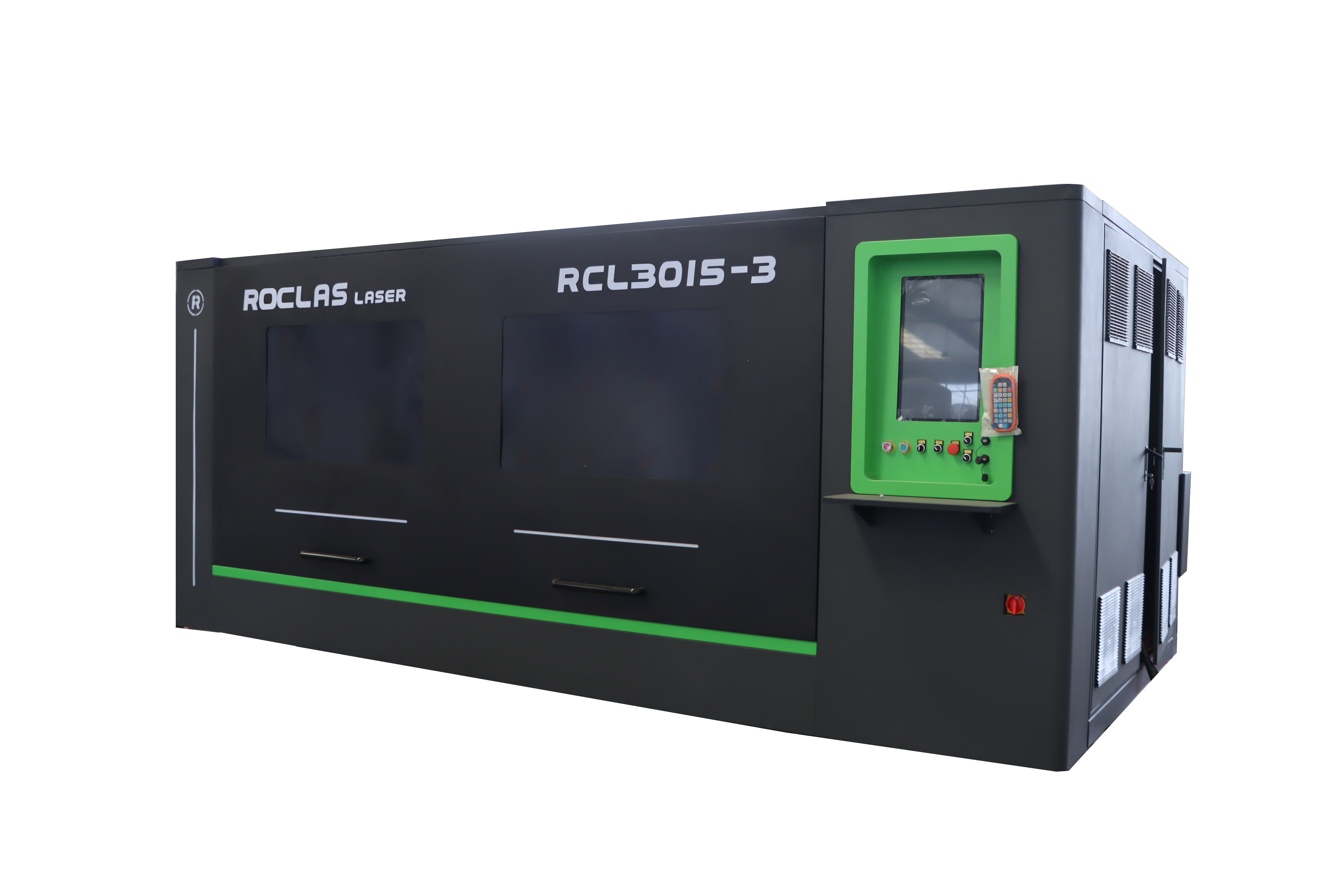
ROCLAS® MACHINERY CO., LTD. is a laser equipment manufacturer with over 15 years of industry experience, a 15-member R&D team, and more than 50 patents. The company produces fiber laser cutting machines ranging from 1,000W to 20,000W, along with 5-axis fiber laser cutting centers, CO2 laser machines, Laser welding machines, and steel coil processing lines.
For buyers comparing prices, Roclas occupies the mid-to-upper industrial segment. Its machines use industrial-grade heavy-duty steel structures processed on CNC five-face machining centers, imported servo drive systems, and Cypcut control software. The company holds ISO 9001, CE, FDA, UL, and PDL certifications—a full set that many lower-cost competitors lack.
Roclas also offers configurations that affect price in practical ways: modular screw-connected beds for easier transportation, integrated waste conveying systems, and optional nitrogen generators and robotic arms. For a shop that needs a 3,000W or 6,000W machine with reliable after-sales support, Roclas is a credible option to price against other mid-market brands.
---
Conclusion: What Should You Actually Budget?
If you are buying your first fiber laser cutting machine for thin sheet work, plan on $15,000–$30,000 for a 1,500W–3,000W system with a standard 1500×3000mm bed.
If you need to cut 10–20mm mild steel or stainless steel regularly, budget $45,000–$90,000 for a 4,000W–6,000W machine.
For heavy industrial production above 20mm, expect to invest $100,000–$250,000 depending on power and automation.
The most important step is to define your material types, thickness range, and daily production hours before requesting quotes. A machine that is undersized will cost you more in lost productivity than you saved on the purchase price. A machine that is oversized ties up capital you could use elsewhere.
Get quotes from at least three manufacturers, compare component brands line by line, and ask for customer references in your region. The right machine is the one that matches your actual production profile—not the cheapest or the most powerful one on the showroom floor.