Abstract
The furniture industry is undergoing a quiet but consequential transformation. Where panel saws and traditional CNC routers once dominated, fiber laser cutting systems are increasingly finding a foothold—particularly in metal furniture, decorative elements, and hybrid wood-metal designs. This article examines the technical and economic drivers behind this shift, drawing on equipment specifications and application data from ROCLAS® MACHINERY CO., LTD., a manufacturer whose portfolio spans fiber laser cutting, CO2 hybrid systems, and tube processing equipment. The analysis focuses on how laser technology addresses the furniture sector's dual demands: design complexity and production efficiency.
1. Industry Context: Why Laser Cutting Enters the Furniture Workshop
Furniture manufacturing has historically been a domain of mechanical cutting—panel saws, routers, and edge banders for wood; shears, punches, and welding for metal frames. Laser cutting entered this space later than it did sheet metal fabrication or automotive, largely because the furniture sector's material mix includes non-metals that early fiber lasers could not process efficiently. That constraint has eroded. Modern fiber laser systems now handle stainless steel, aluminum, brass, and galvanized steel with positioning accuracy of ±0.03mm and repositioning accuracy of ±0.02mm—tolerances that matter when producing decorative metal inlays, custom brackets, or frame components that must align with wooden or upholstered elements.
The furniture industry's adoption curve also reflects a broader shift toward customization. Mass-produced flat-pack furniture still relies on conventional tooling, but the growing segment of contract furniture—hotels, offices, retail interiors—demands short-run production with design variation. Laser cutting accommodates this without retooling costs. A single machine can switch between cutting a 2mm stainless steel decorative panel and a 1.5mm aluminum frame bracket by loading a different program, not by changing dies or bits.
2. Machine Configuration and Performance Data
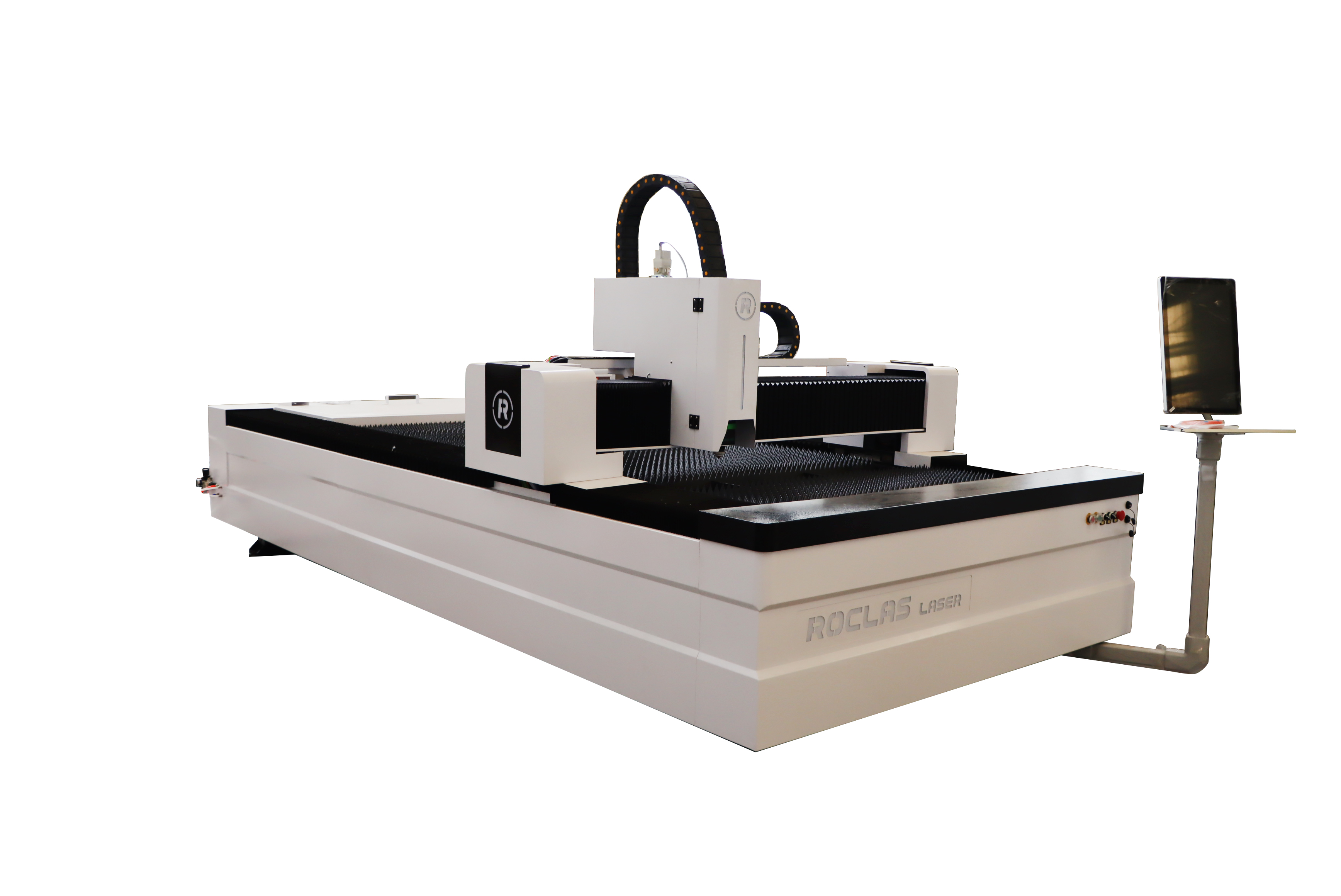
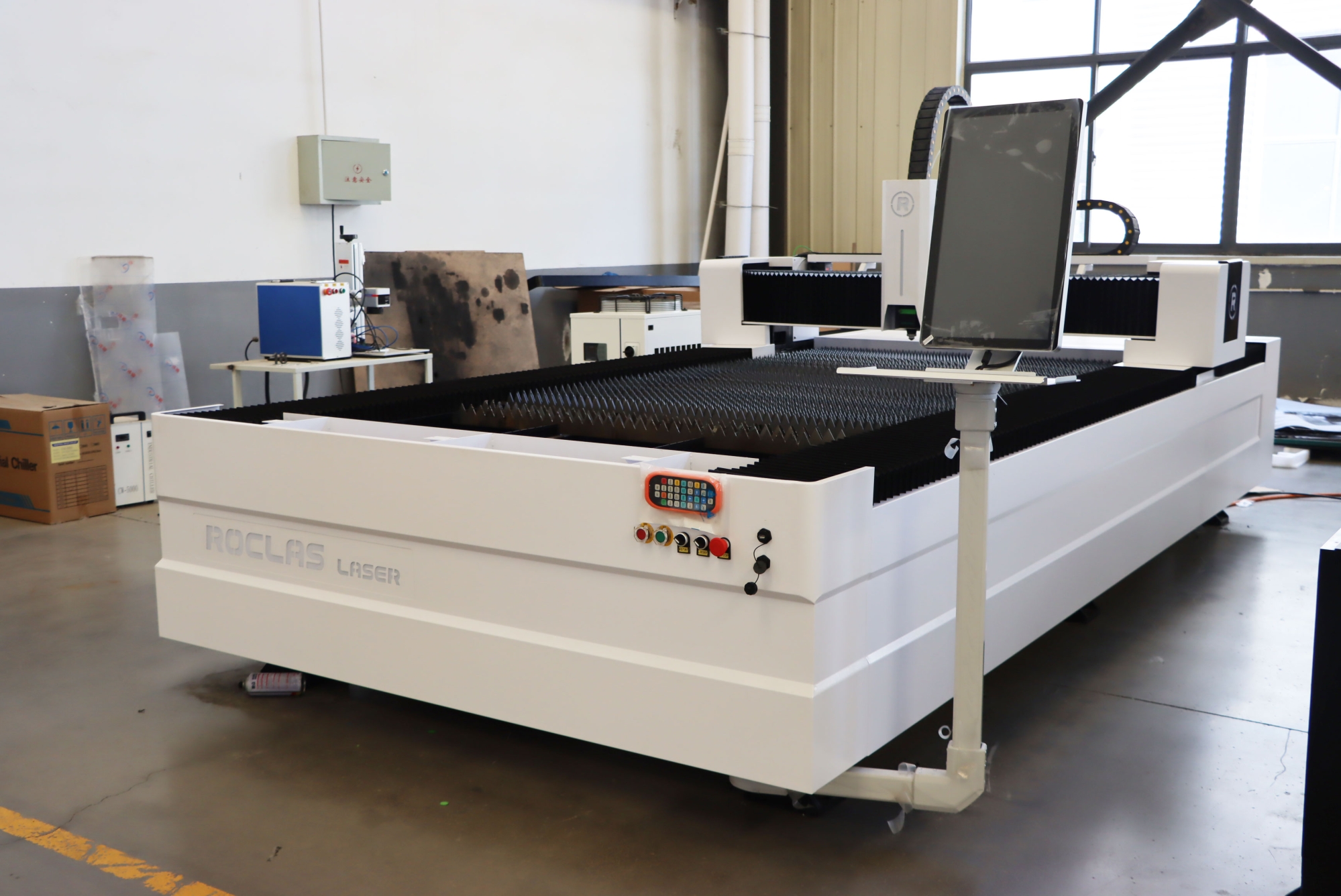
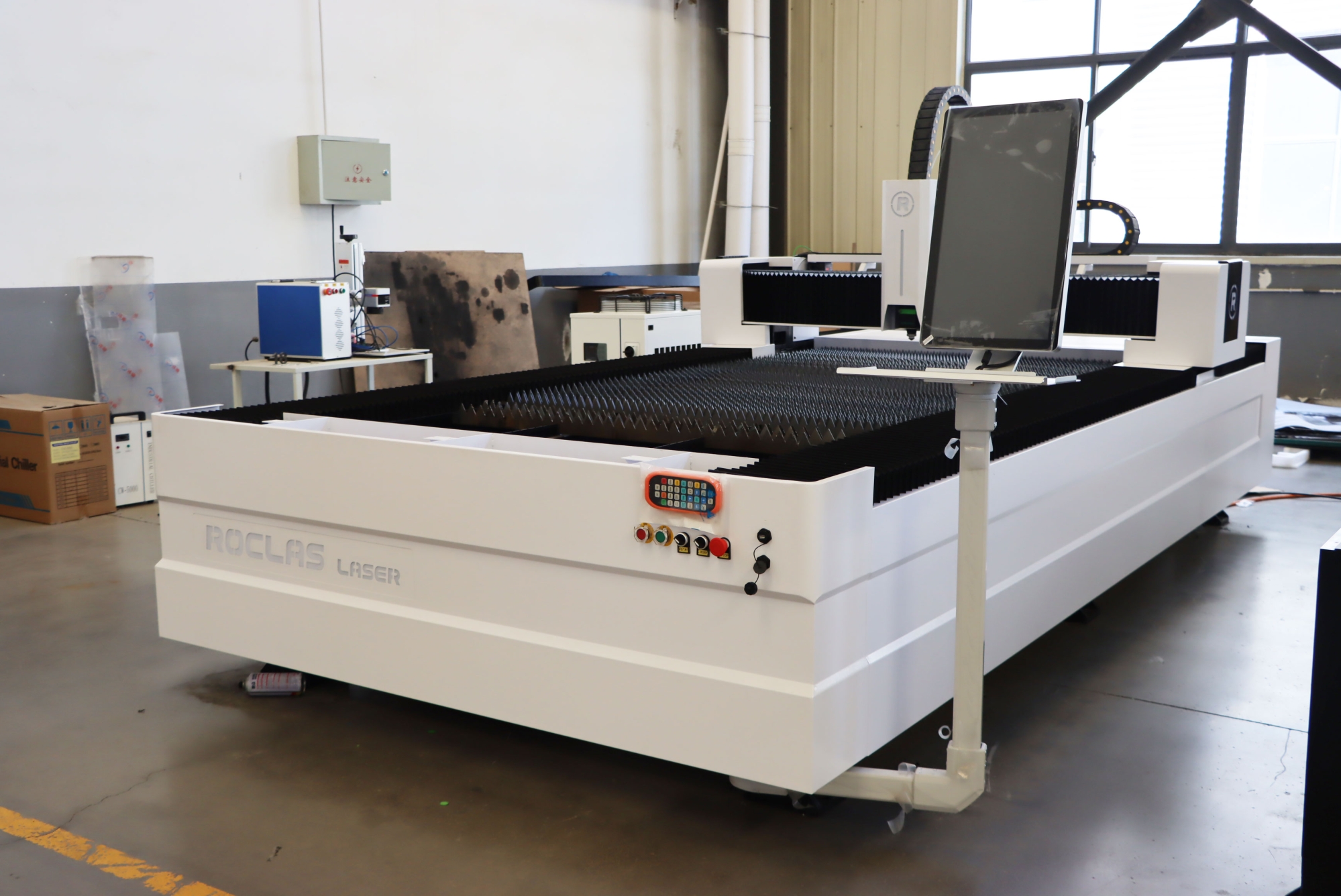
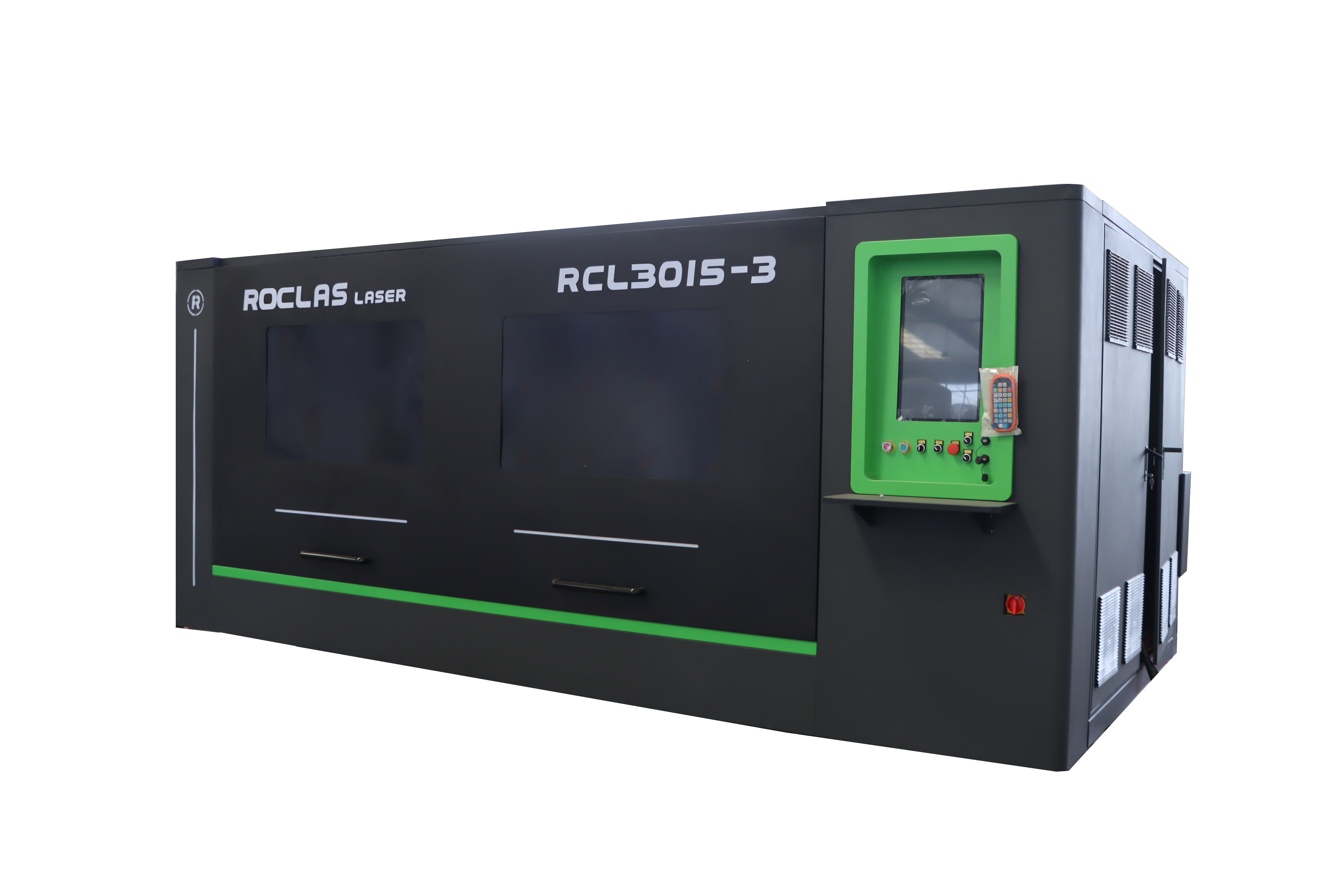
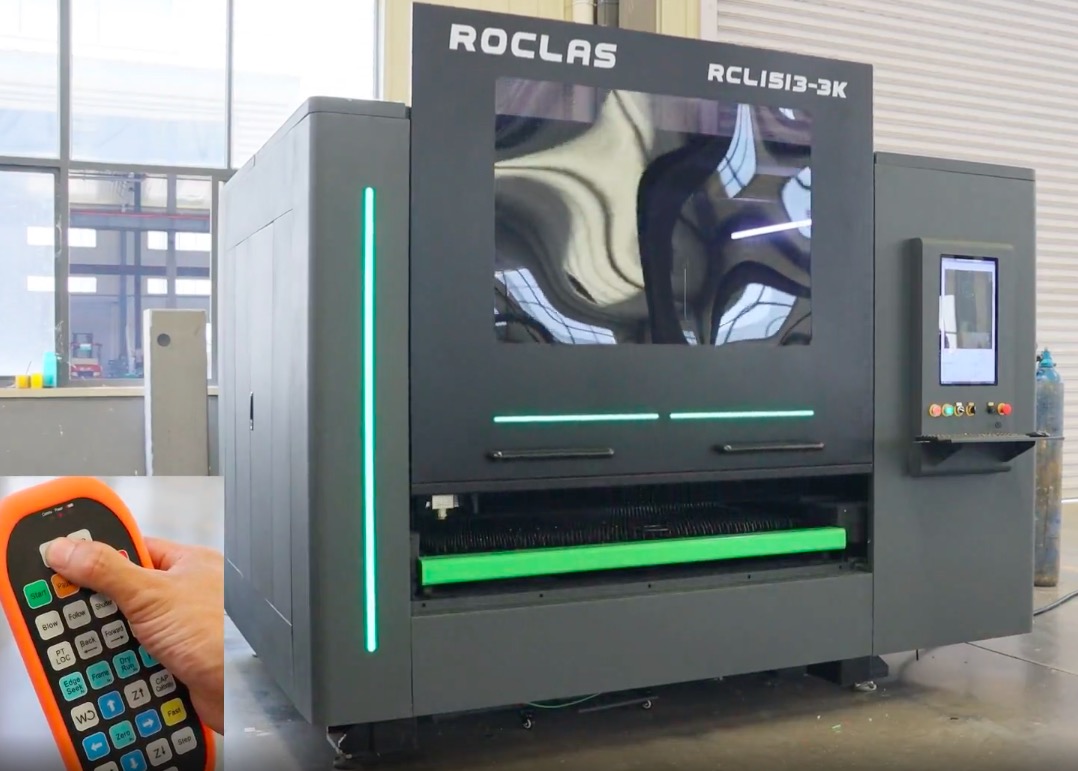
The table below summarizes representative specifications for Fiber laser cutting machines used in furniture-related metal processing. These figures are drawn from ROCLAS® product documentation and reflect configurations typical of mid-to-high-power systems deployed in furniture workshops.
| Parameter | Specification Range | Relevance to Furniture Manufacturing |
|-----------|---------------------|--------------------------------------|
| Working Area | 3000×1500mm / 4000×2000mm | Accommodates standard sheet sizes for table frames, chair components |
| Laser Power | 1000W – 20KW | 1–3KW sufficient for thin-gauge decorative work; 6KW+ for structural frames |
| Positioning Accuracy | ±0.03mm | Critical for joinery interfaces and decorative inlays |
| Repositioning Accuracy | ±0.02mm | Ensures repeatability across production batches |
| Travel Speed | 100m/min | Reduces cycle time for intricate patterns |
| Max Acceleration | 1.0G | Maintains cut quality on complex geometries |
| Laser Source | Raycus / MAX | Dual-source availability provides supply chain flexibility |
| Control System | Cypcut 3000S | Supports automatic nesting for material optimization |
| Max Tube Diameter | 220mm | Enables chair and table leg production from round/square tube |
The data reveals a pattern: the working area and power range are not arbitrary. A 3000×1500mm bed handles the majority of furniture sheet components without repositioning, while the 4000×2000mm format suits larger table tops and panel runs. The ±0.03mm positioning accuracy is tighter than typical furniture tolerances, but this margin exists for a reason—when a laser-cut metal frame must accept a wooden insert or a glass panel, cumulative error across multiple components can exceed the design clearance. Precision at the cutting stage preserves assembly fit.
Power selection follows material thickness and production volume. For decorative stainless steel panels in the 1–2mm range, a 1000W–1500W source is adequate. For structural aluminum frames or thicker steel supports (3–6mm), 3000W–6000W reduces cutting time and improves edge quality. The availability of Raycus and MAX laser sources gives manufacturers a choice between cost and performance tiers without changing machine architecture.
3. Material Versatility: Beyond Metal
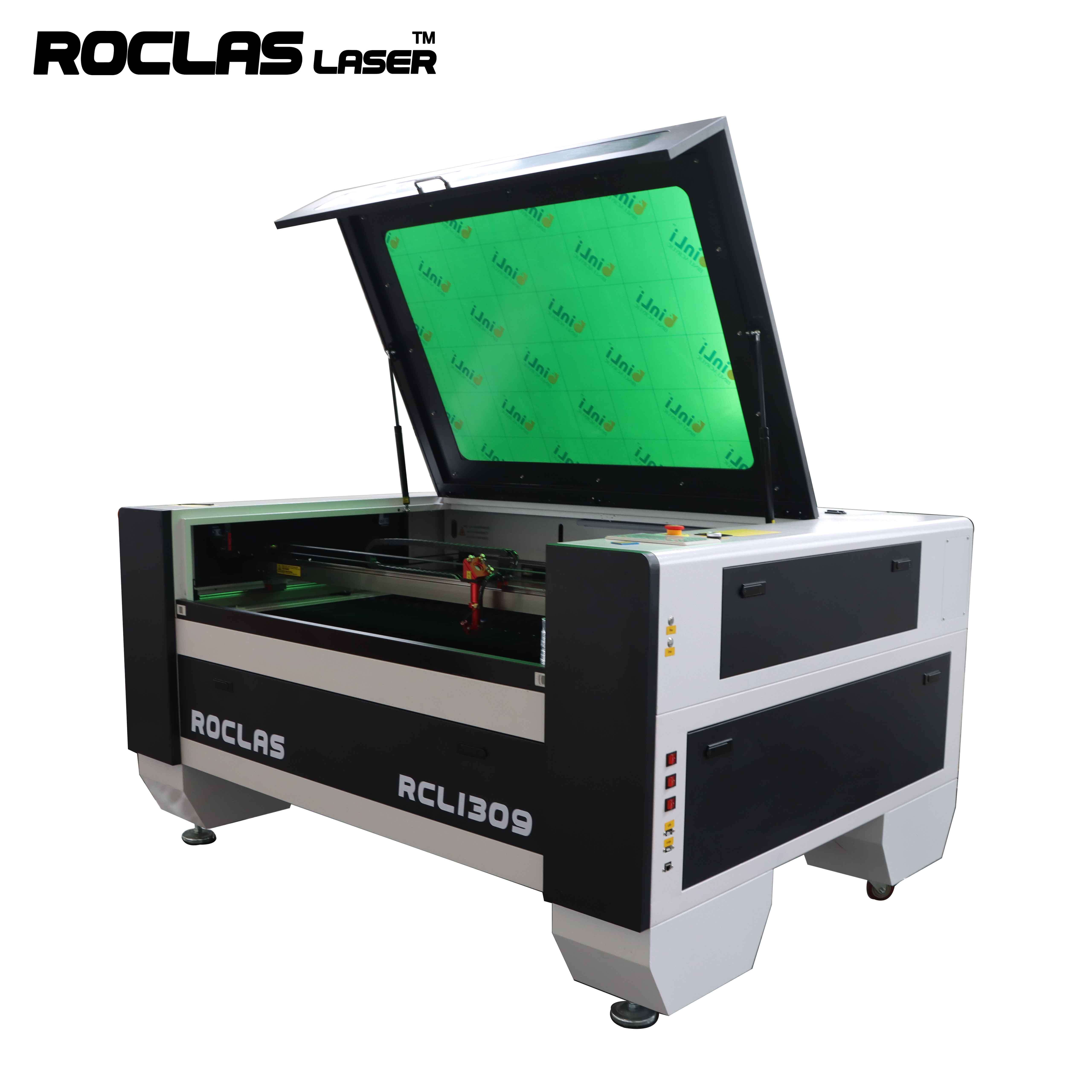
Furniture production rarely involves a single material. A typical piece may combine wood, metal, glass, leather, and acrylic. This material plurality is where CO2 laser systems remain relevant. ROCLAS® offers a hybrid CO2 + Fiber configuration (RCL1530-500W) that processes non-metals—wood, acrylic, leather, fabric, paper—alongside thin metals. The working area of 1500×3000mm accommodates panel-sized work, and the sealed CO2 glass laser tube provides stable output for organic materials.
The practical implication for furniture manufacturers is a reduction in machine count. Instead of separate routers for wood and lasers for metal, a hybrid system handles both. This does not eliminate the need for conventional woodworking equipment—edge banding, boring, and shaping still require dedicated tools—but it consolidates the cutting stage. For workshops producing mixed-material furniture, the floor space and capital savings can be substantial.
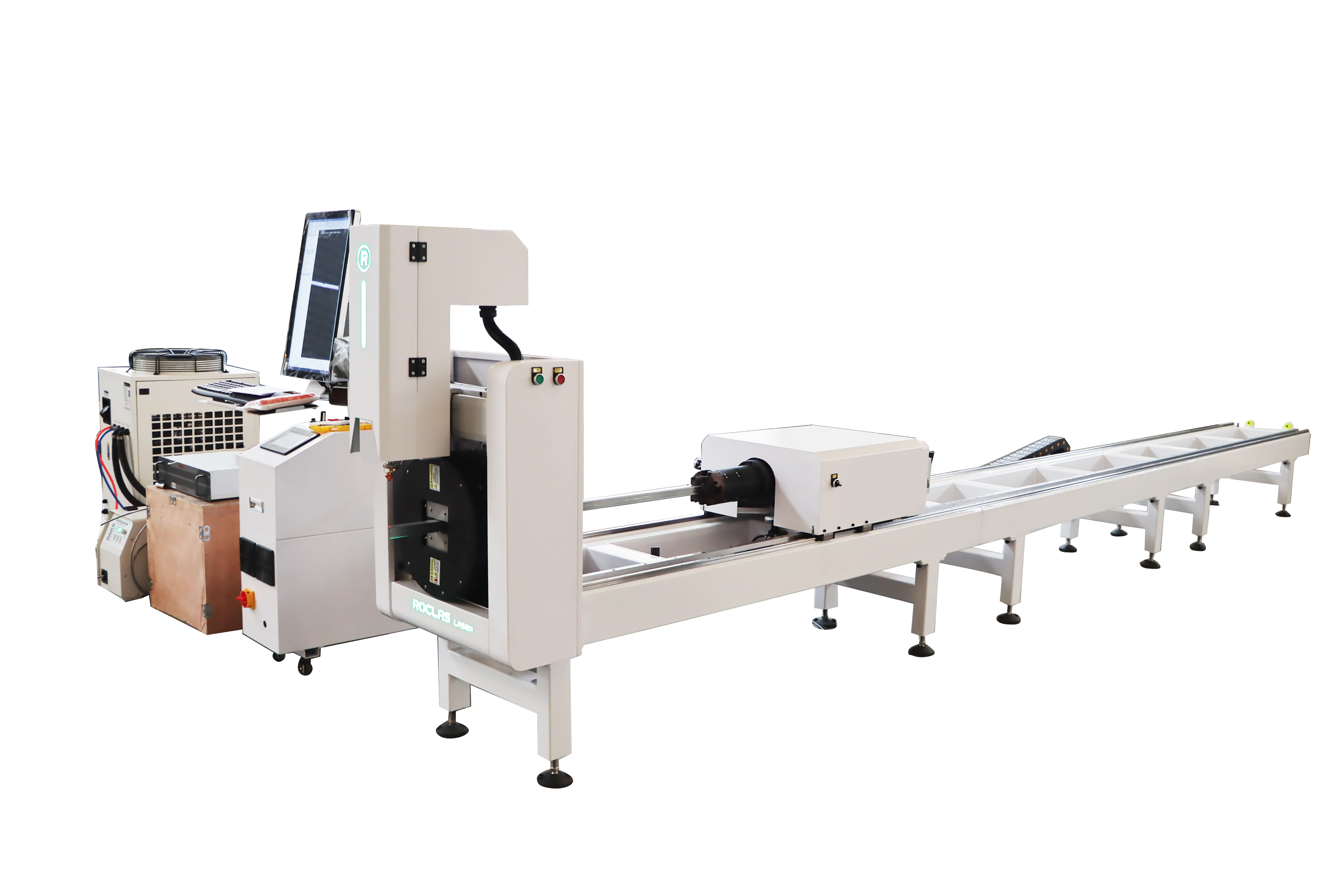
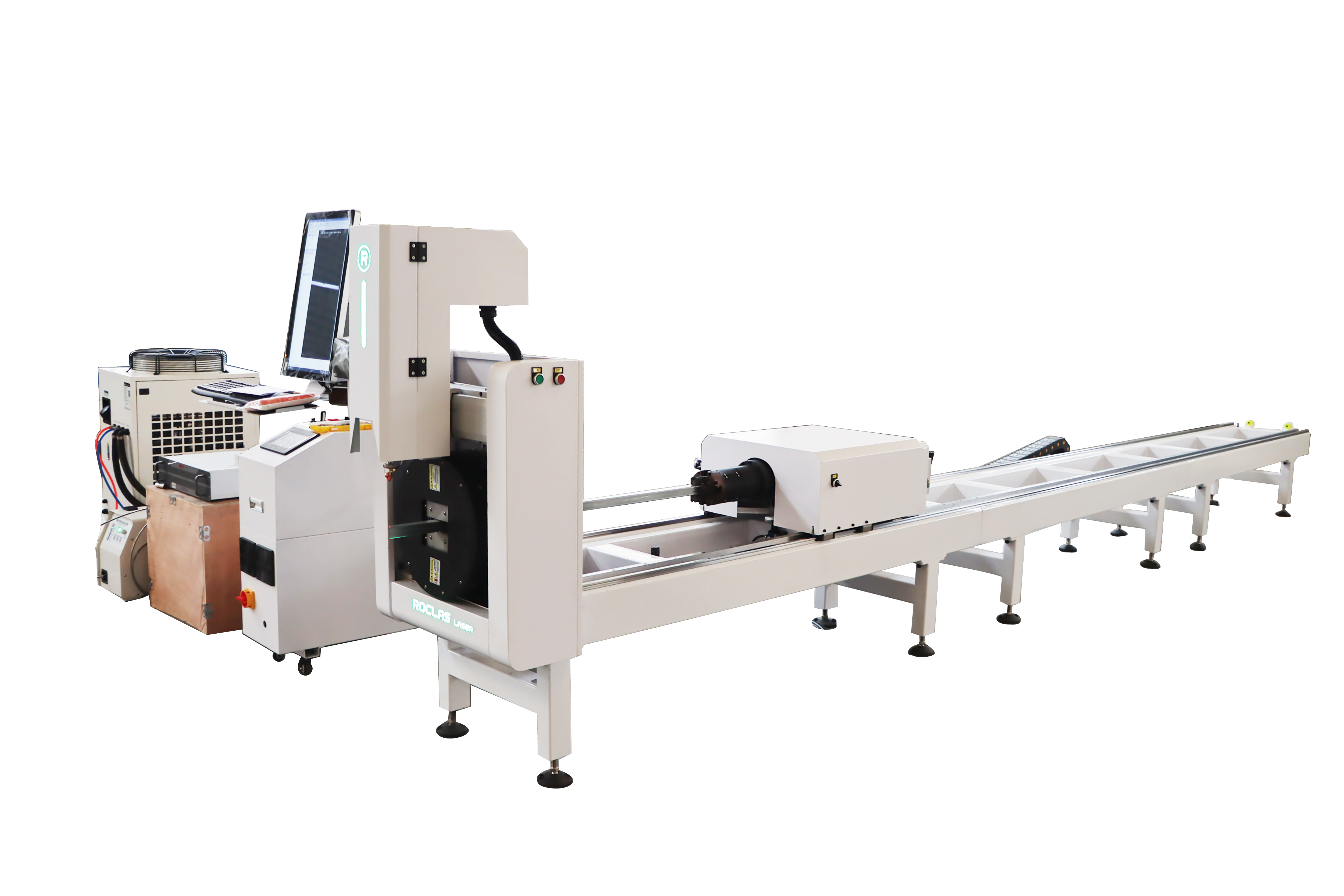
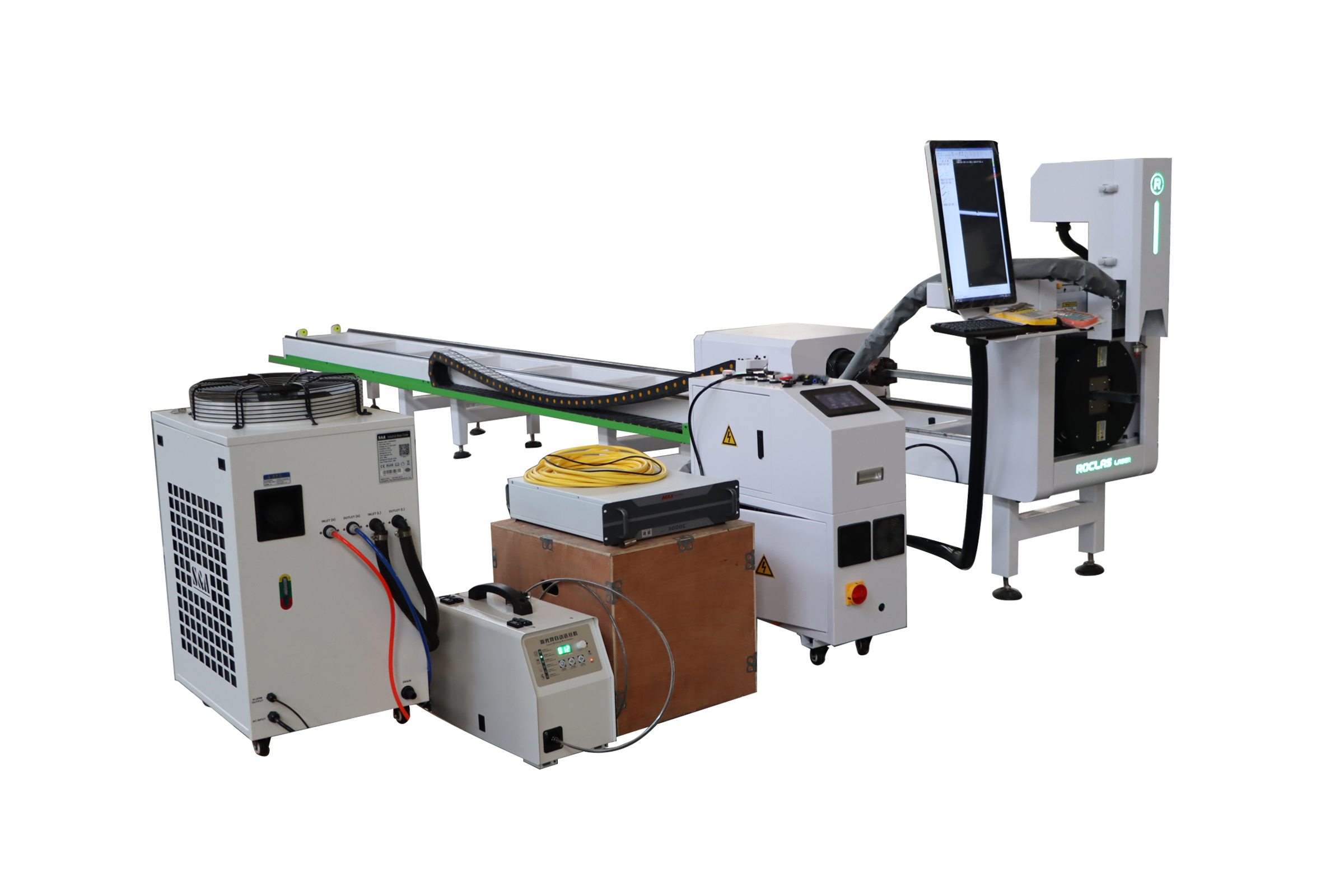
Tube processing is another capability relevant to furniture. Chair legs, table frames, and display fixtures frequently use round, square, or rectangular tube. A dedicated tube fiber laser cutting machine with a maximum tube diameter of 220mm and ±0.05mm positioning accuracy handles these components. The automatic chuck system reduces setup time between tube sizes, which matters in a production environment where batch sizes are shrinking.
4. Integration with Production Workflows
A laser cutter does not operate in isolation. Its value depends on how well it integrates with upstream and downstream processes. Three integration points are particularly relevant to furniture manufacturing:
Nesting and material utilization. The Cypcut 3000S control system supports automatic nesting, which optimizes sheet layout to minimize waste. In furniture production, where material cost represents a significant share of total cost, nesting efficiency directly affects margin. A well-nested sheet can yield 5–15% more parts than manual layout, depending on geometry.
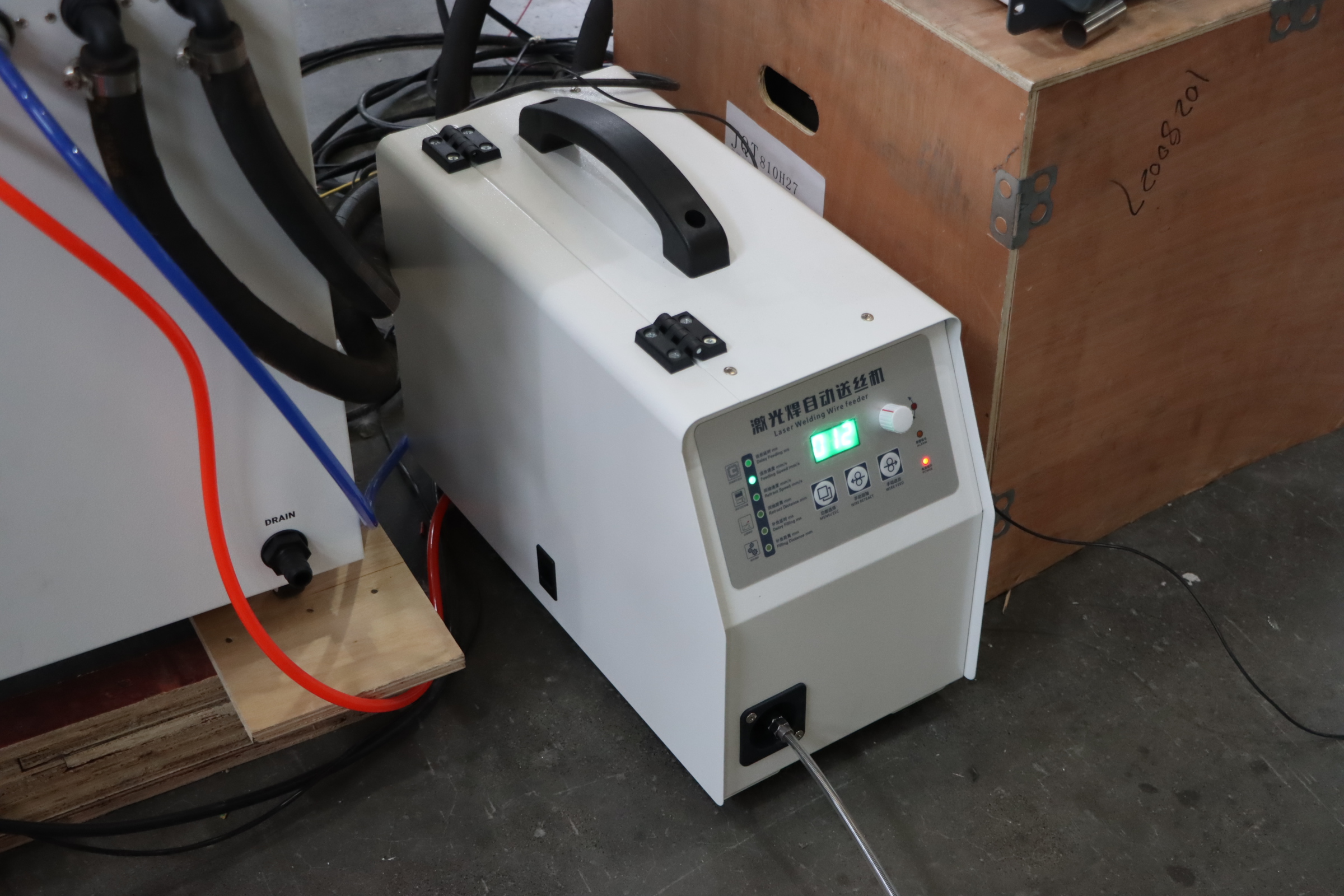
Welding and assembly. Many furniture frames require welding after cutting. ROCLAS® offers Laser welding machines (1500W, 0.7–2.0m/min welding speed) that can be paired with cutting systems. The advantage of laser welding over conventional MIG/TIG for furniture frames is lower heat input, which reduces distortion—a critical factor when frame components must align with wooden or glass panels.
Tube and sheet combination. The sheet and tube integrated machine (Cypcut 3000S, dual function) allows a single system to process both flat sheets and tubes. For furniture manufacturers producing both panel components and tubular frames, this eliminates the need for two separate machines. The trade-off is cycle time—a combined machine may not match the throughput of dedicated systems—but for small-to-medium production volumes, the flexibility outweighs the speed penalty.
5. Economic and Operational Considerations
The decision to adopt laser cutting for furniture production involves more than technical capability. Three factors typically drive the calculus:
Operating cost. Fiber laser systems are energy-efficient relative to their output. The high-reflectivity suppression module allows stable processing of copper and aluminum, materials that older laser systems struggled with. Maintenance requirements are modest—lens cleaning, nozzle inspection, guide rail lubrication—and do not require specialized personnel beyond standard training.
Certification and compliance. Furniture products sold in regulated markets must meet safety and quality standards. ROCLAS® machines carry ISO 9001, CE, FDA, UL, and PDL certifications. For manufacturers exporting to the EU or North America, these certifications simplify market access and reduce liability exposure.
Scalability. The power range from 1000W to 20KW allows a manufacturer to start with a lower-power system for thin-gauge decorative work and scale up as production demands increase. The modular bed design option—screw-connected rather than welded—facilitates transportation and reconfiguration, which is relevant for manufacturers expanding to new facilities.
6. Limitations and Where Conventional Tools Still Win
Laser cutting is not a universal replacement for furniture manufacturing equipment. Three limitations are worth noting:
Thick wood and engineered panels. CO2 lasers can cut wood, but cut quality and speed degrade with thickness. For production runs of 18mm particleboard or MDF—the backbone of flat-pack furniture—CNC routers remain more efficient and cost-effective.
Edge quality on thick metal. While fiber lasers cut steel up to 20mm, the edge on thick sections may require secondary operations (deburring, grinding) to meet furniture finish standards. For thin-gauge decorative work, the edge is typically ready for powder coating or brushing.
Capital cost. A fiber laser cutting system represents a significant capital investment. For workshops with low metal content in their product mix, the payback period may extend beyond acceptable limits. The case for laser cutting is strongest where metal is a primary material and design variation is high.
7. Conclusion
The integration of laser cutting into furniture manufacturing reflects a broader trend: the boundaries between metal fabrication and woodworking are blurring. Furniture designs increasingly combine materials, and production systems must accommodate that combination. Fiber laser cutting, particularly when paired with CO2 capability or tube processing, offers a flexible solution for the metal side of the equation. ROCLAS® MACHINERY CO., LTD. represents this trend with a product portfolio that spans sheet, tube, and hybrid processing—backed by 50+ patents, a 15-member R&D team, and certifications that meet international market requirements.
The technology is not without limits. Thick wood panels, high-volume flat-pack production, and cost-sensitive applications remain domains of conventional tooling. But for manufacturers producing metal furniture, mixed-material designs, or customized contract pieces, laser cutting has moved from optional to essential. The question is no longer whether to adopt it, but how to integrate it into a production workflow that balances speed, flexibility, and cost.