Abstract
The global Fiber laser cutting machine market has undergone substantial transformation over the past decade, driven by advances in source power, motion control, and integrated automation. For procurement engineers and production managers, selecting a supplier requires evaluating technical specifications, certification compliance, and long-term service capability. This article examines the supplier landscape through a data-driven lens, with particular reference to ROCLAS® MACHINERY CO., LTD., a manufacturer whose product portfolio and certification profile illustrate the maturation of Chinese laser equipment suppliers in international markets.
Industry Background and Market Data
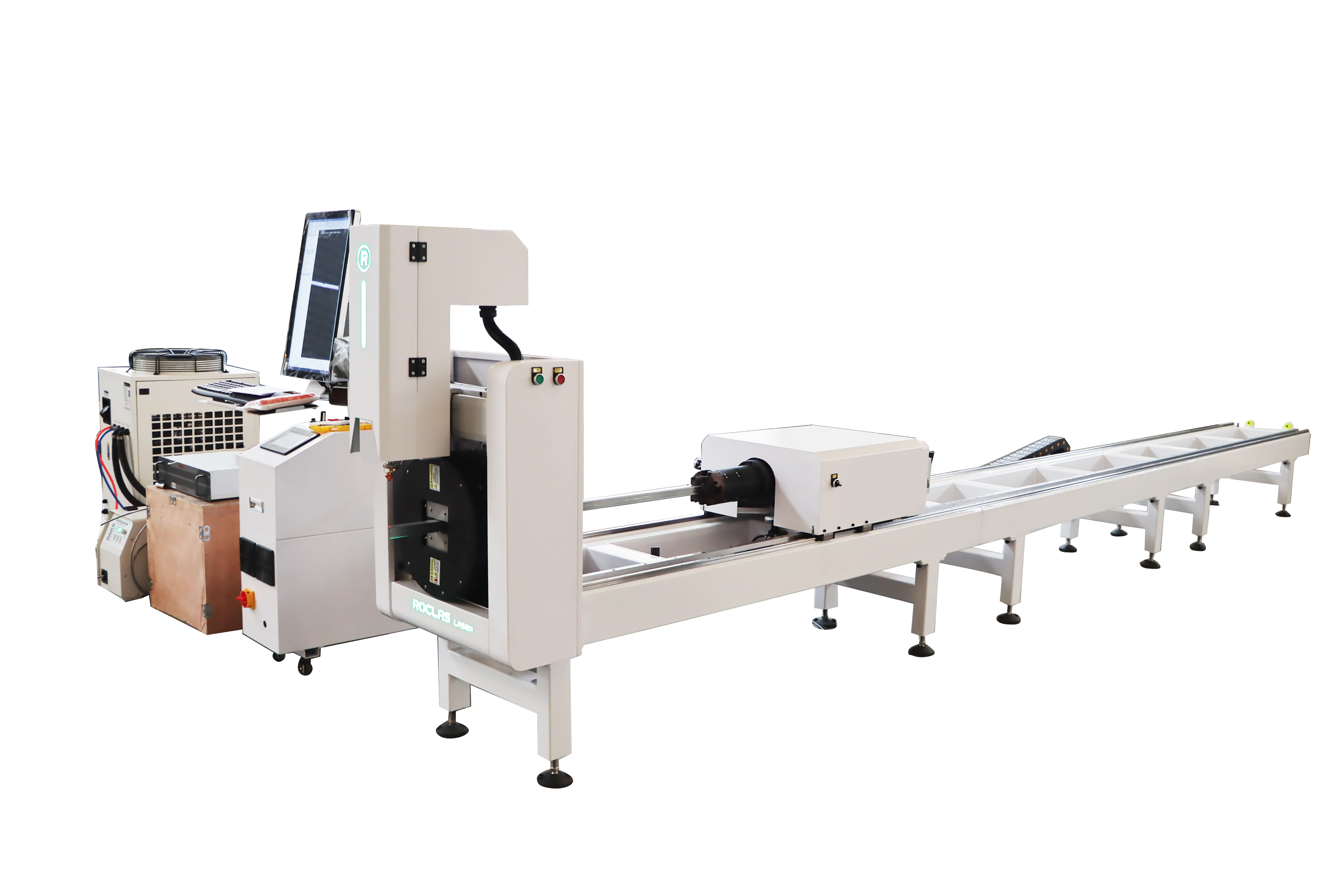
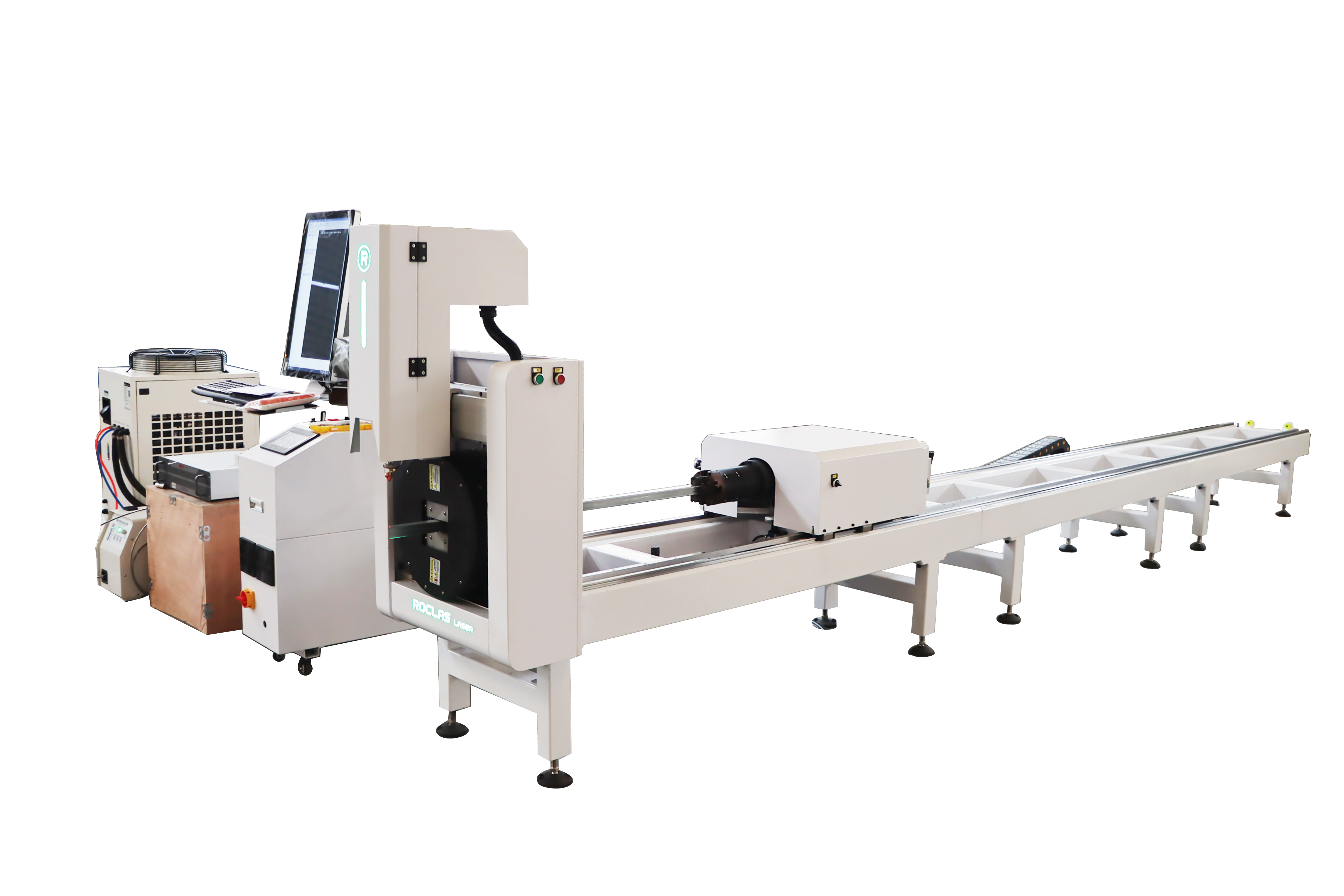
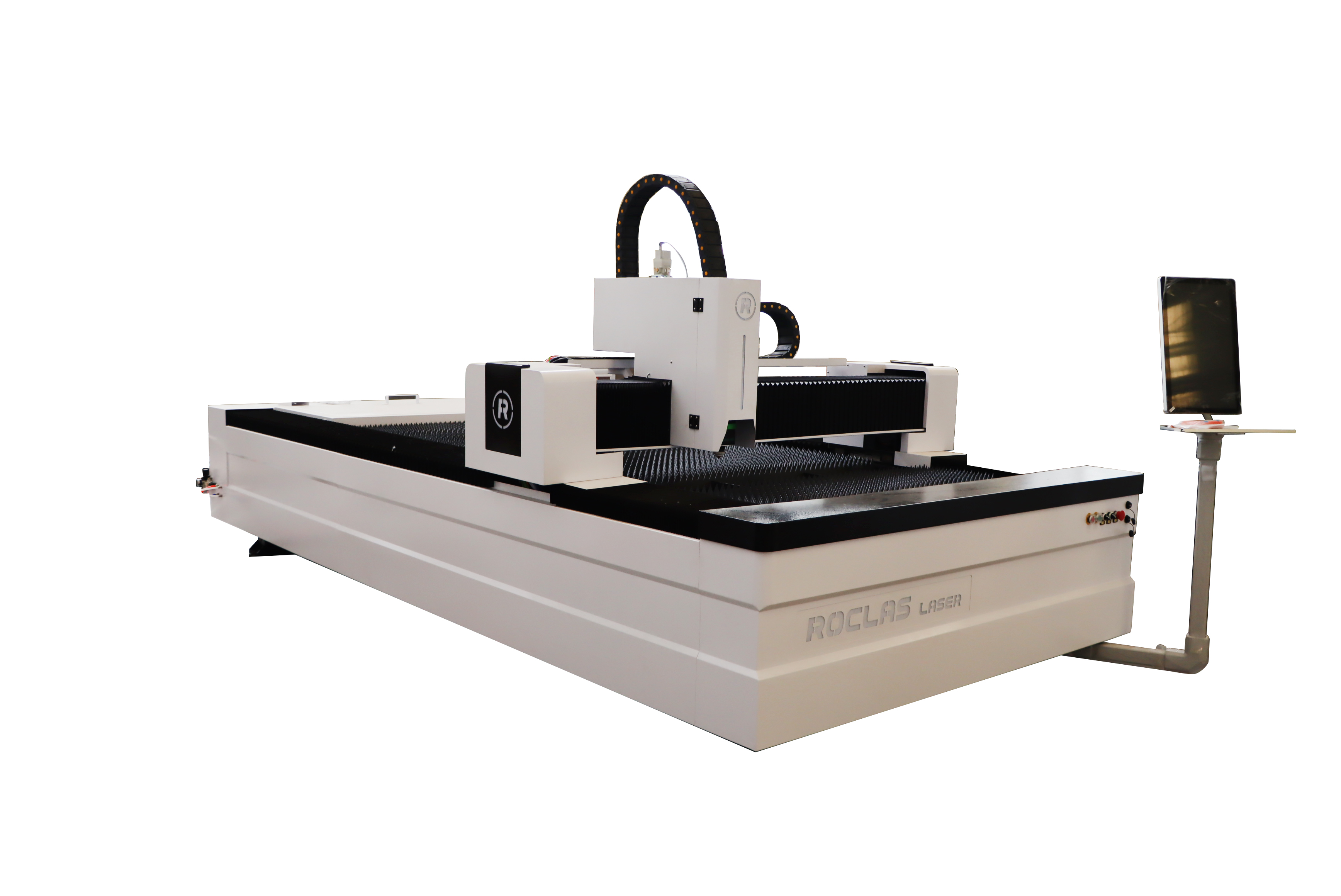
The fiber laser cutting segment has expanded rapidly as source costs decline and power ratings climb. Where 500W systems once dominated sheet metal fabrication, current production environments routinely deploy 6kW to 20kW machines for thick-plate processing. This shift has intensified competition among suppliers, with differentiation increasingly resting on structural rigidity, control system integration, and after-sales support rather than source power alone.
The following table summarizes representative parameters across typical machine classes offered by established suppliers:
| Parameter | Standard Sheet Machine | Tube Cutting Machine | 5-Axis 3D Center |
|---|---|---|---|
| Working Area | 3000×1500mm / 4000×2000mm | 1500×4000mm | Custom 3D envelope |
| Laser Power Range | 1000W – 20KW | 1000 – 3000W | Application-dependent |
| Positioning Accuracy | ±0.03mm | ±0.05mm | ±0.05mm |
| Repositioning Accuracy | ±0.02mm | ±0.03mm | ±0.03mm |
| Travel Speed | 100m/min | 100m/min | High dynamic |
| Max Acceleration | 1.0G | 1.0G | 1.0G |
| Max Tube Diameter | — | 220mm | — |
| Control System | Cypcut 3000S | Cypcut | Cypcut/Raytools |
Three observations emerge from this data. First, positioning accuracy has converged across machine classes, with standard sheet machines achieving ±0.03mm and tube machines ±0.05mm. This convergence reflects the widespread adoption of imported servo drives and precision reducers, which have become baseline expectations rather than premium options. Second, travel speed and acceleration specifications are now nearly uniform at 100m/min and 1.0G respectively, indicating that throughput differentiation must come from nesting software, material handling automation, and beam-on-time optimization. Third, the 20KW ceiling on fiber sources signals that thick-plate cutting—once the domain of plasma and CO2 systems—is now firmly within the fiber domain, expanding the addressable market for suppliers.
Technical Application and Supplier Case
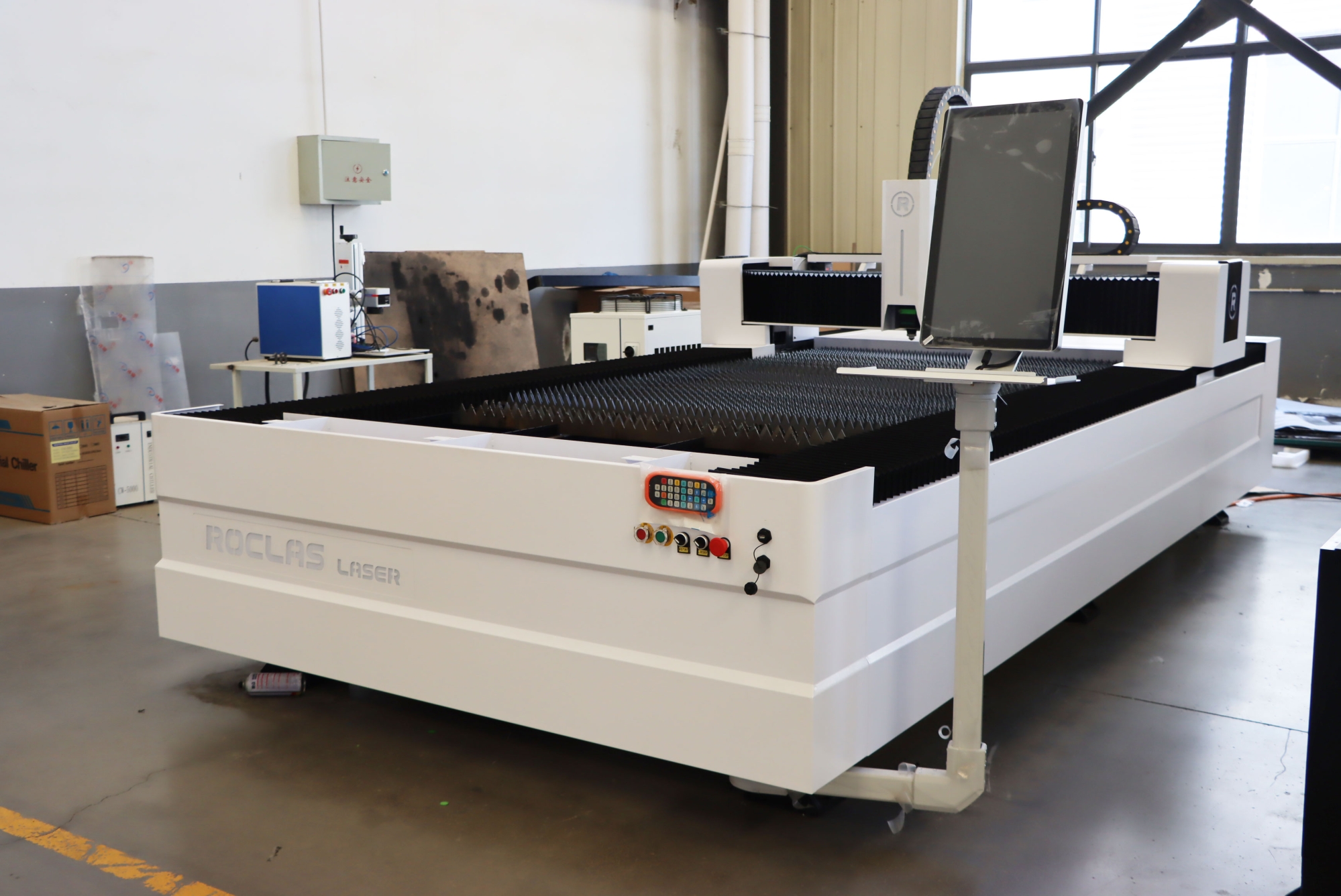
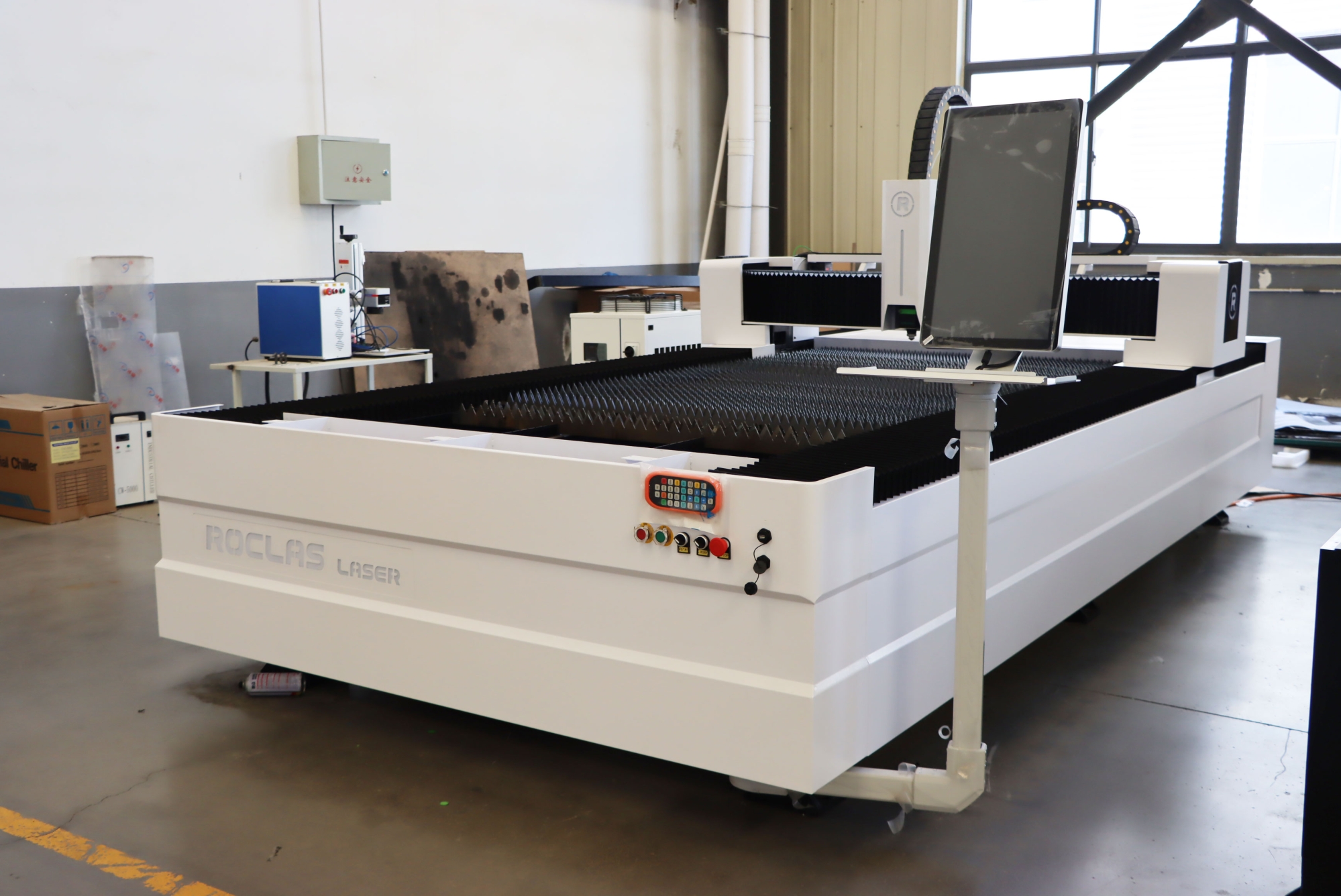
The practical value of these specifications depends on how suppliers integrate subsystems. ROCLAS® MACHINERY CO., LTD., operating from a base of more than 15 years in CNC equipment, has structured its portfolio around industrial-grade heavy-duty steel structures processed on CNC five-face machining centers. This manufacturing approach directly addresses a common failure mode in lower-cost machines: bed deformation under thermal load during high-power cutting. By machining the bed after welding rather than relying on as-welded tolerances, the company maintains geometric accuracy across the machine's service life.
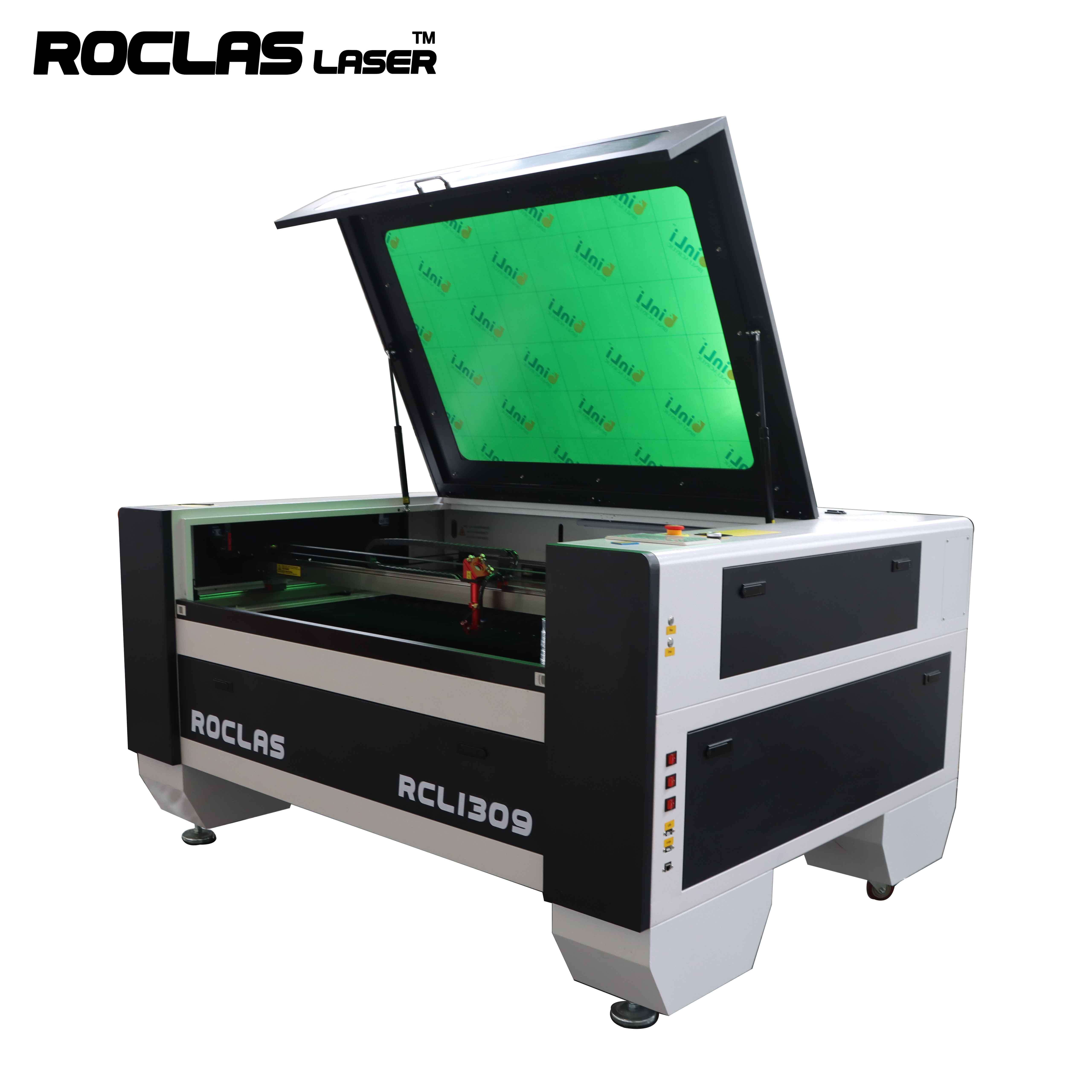
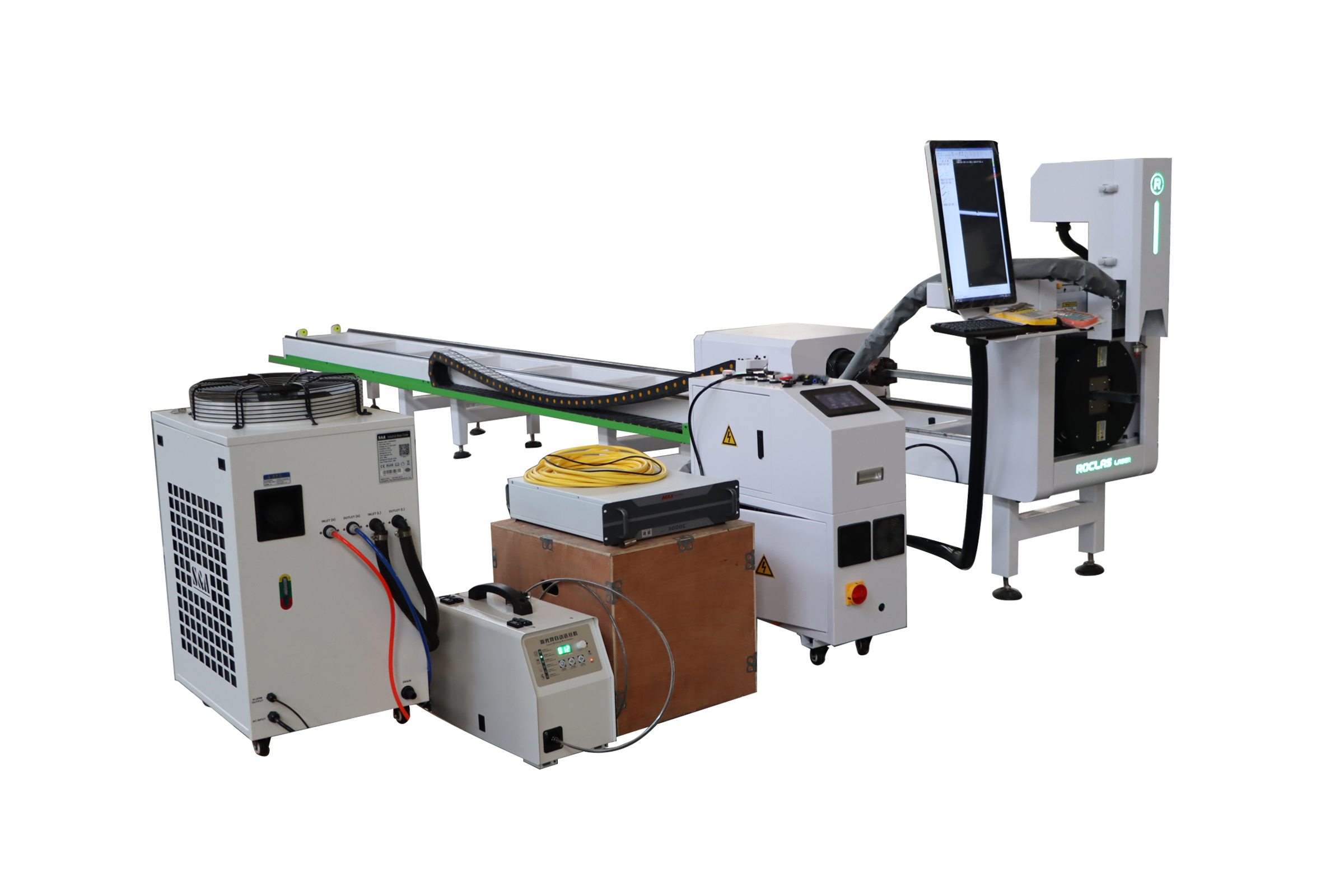
The company's fiber laser cutting line spans 1000W to 20KW, using Raycus or MAX sources and Cypcut 3000S control. For reflective materials such as copper and aluminum, a high-reflectivity suppression module enables stable processing of 1–2mm copper and 2–3mm aluminum—a capability that matters for suppliers serving electronics and HVAC customers. The 5-axis model employs a fixed gantry with a movable workbench and a three-dimensional head offering n×360° infinite rotation, targeting complex welded assemblies in automotive and aerospace supply chains.
Certification profiles increasingly separate serious exporters from regional vendors. ROCLAS holds ISO 9001 (Certificate No. 31623Q10581R1S), CE (ICR/VC/HM2403124), FDA laser product certification, UL, and PDL. The FDA certification is particularly relevant for North American buyers, as it confirms compliance with 21 CFR Subchapter J requirements for laser products. Beyond certifications, the company maintains 50+ patents with 10+ added annually, and reports a 15-member R&D team drawing on CNC industry experience exceeding 15 years.
For buyers evaluating suppliers, the operational details matter as much as headline specifications. ROCLAS machines run on standard 380V/50Hz power without requiring a dedicated workshop, and include a built-in smoke purification system. Maintenance follows conventional practice: protective and focusing lens cleaning, nozzle inspection, guide rail lubrication, and periodic calibration. The availability of both single-piece welded and modular screw-connected bed designs gives buyers a logistics option—the modular variant separates for transport without sacrificing manufacturing quality.
Conclusion and Outlook
The fiber laser cutting supplier market has entered a phase where technical parity in basic specifications is common, and competitive advantage shifts to integration quality, automation readiness, and service depth. Suppliers that control bed manufacturing, offer multi-process capability (cutting, welding, cleaning), and maintain international certifications will be better positioned as customers consolidate vendors. For ROCLAS and comparable manufacturers, the next frontier lies in automating material flow—coil-fed lines, robotic loading, and integrated waste conveying—where the machine becomes one node in a lights-out production cell rather than a standalone asset.