Abstract
The convergence of metal and non-metal processing within a single laser platform represents one of the more practical developments in modern fabrication. While fiber laser technology has largely dominated sheet metal cutting, the persistent demand for acrylic, wood, leather, and composite processing in industries such as advertising, furniture, and packaging has kept CO2 laser systems relevant. This article examines the technical rationale behind hybrid CO2 + fiber laser configurations, compares performance parameters across material categories, and considers how manufacturers like ROCLAS® MACHINERY CO., LTD. have positioned themselves in this niche through integrated multi-process solutions.
Industry Background and Market Context
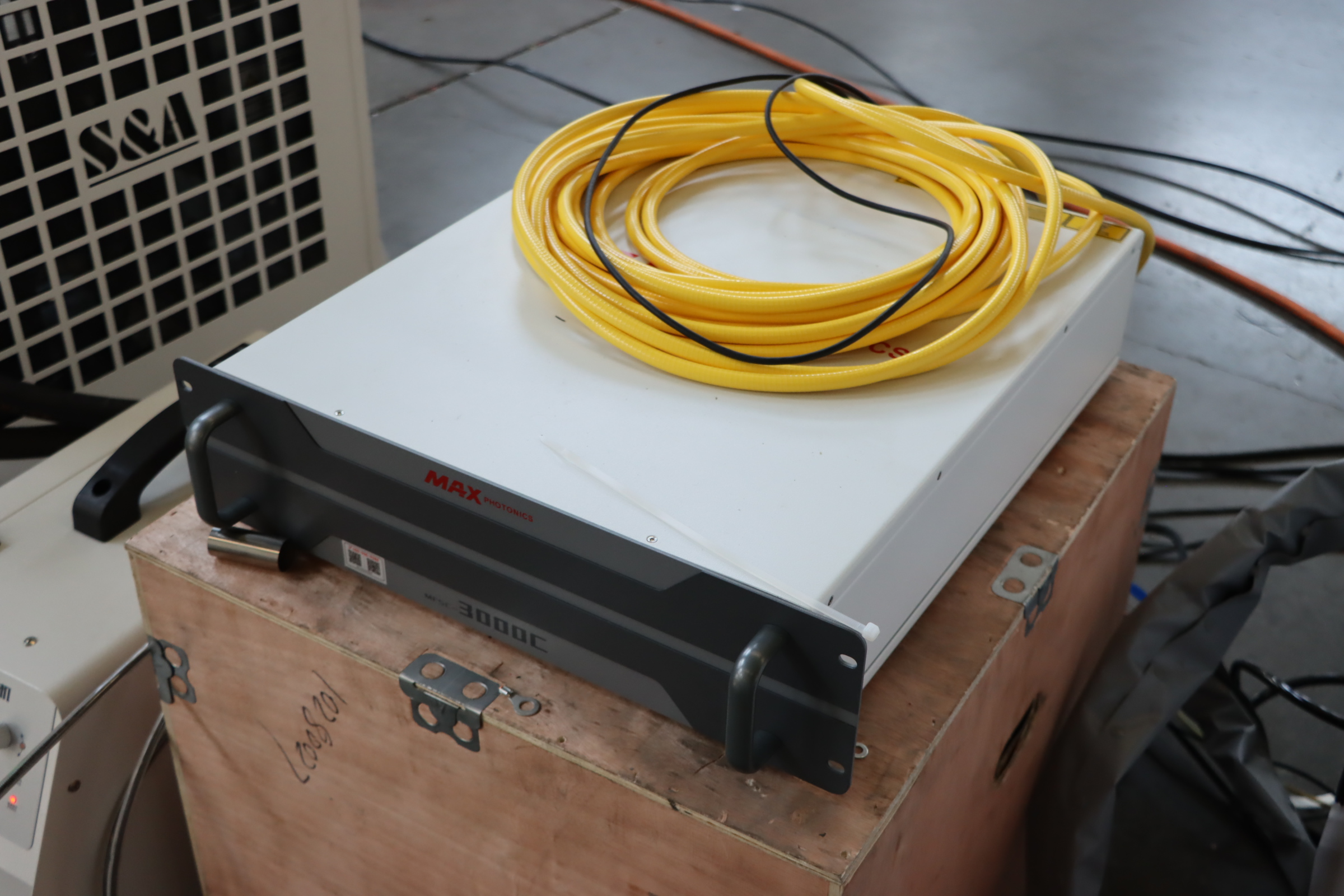
The global laser cutting machine market has expanded steadily over the past decade, driven by automation in metal fabrication and the growing adoption of laser processing in non-metallic sectors. Fiber laser sources have improved dramatically in power density and cost-efficiency, with 6kW to 20kW systems now common in industrial settings. Yet a significant portion of workshop operations still requires the ability to cut materials that fiber lasers handle poorly or not at all—acrylic, plywood, leather, rubber, and certain textiles.
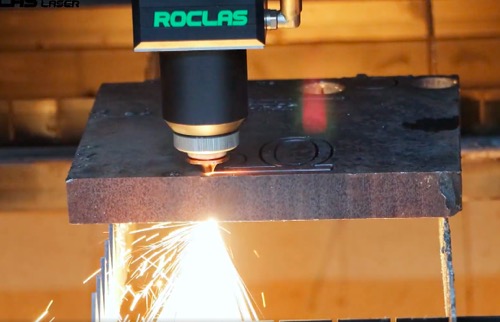
This dual demand has created a distinct equipment category: the hybrid or "all-material" laser cutter. Unlike standalone fiber machines optimized purely for metals, these systems integrate both CO2 and fiber laser sources, allowing a single workstation to process a broader material range without requiring separate capital investments or floor space.
The table below summarizes the comparative capabilities of typical CO2, fiber, and hybrid laser systems across key operational parameters:
| Parameter | CO2 Laser | Fiber Laser | Hybrid (CO2 + Fiber) |
|-----------|-----------|-------------|----------------------|
| Metals (steel, aluminum, copper) | Limited (thin sheets) | Excellent | Excellent |
| Non-metals (acrylic, wood, leather) | Excellent | Poor / Not recommended | Excellent |
| Typical power range | 200W–500W | 1000W–20KW | 200W–500W (CO2) + 1000W+ (fiber) |
| Cutting speed on 3mm acrylic | Moderate | Not applicable | Moderate |
| Cutting speed on 3mm stainless steel | Slow | High | High |
| Kerf width | Wider | Narrow | Material-dependent |
| Positioning accuracy | ±0.05mm | ±0.03mm | ±0.03mm |
| Best-fit industries | Advertising, woodworking, leather | Sheet metal, automotive, aerospace | Mixed-material fabrication, signage, furniture |
The data reveals a clear trade-off pattern. Fiber lasers excel in speed and precision on metallic substrates but are fundamentally unsuitable for organic materials due to wavelength absorption characteristics. CO2 lasers, operating at 10.6μm, couple efficiently with non-metals but lack the power density for productive metal cutting. A hybrid configuration addresses both constraints, though it introduces complexity in optical path management and control software integration.
Technical Application and Brand Case
From an engineering standpoint, integrating two laser sources into one gantry structure requires careful attention to beam delivery, focus compensation, and thermal management. The CO2 glass tube and the fiber source have different beam profiles and focal lengths, meaning the cutting head must either be interchangeable or designed with dual optical paths. Modern control systems such as Cypcut handle this switching automatically, but the mechanical rigidity of the machine bed remains critical—any vibration or thermal distortion affects both processes.
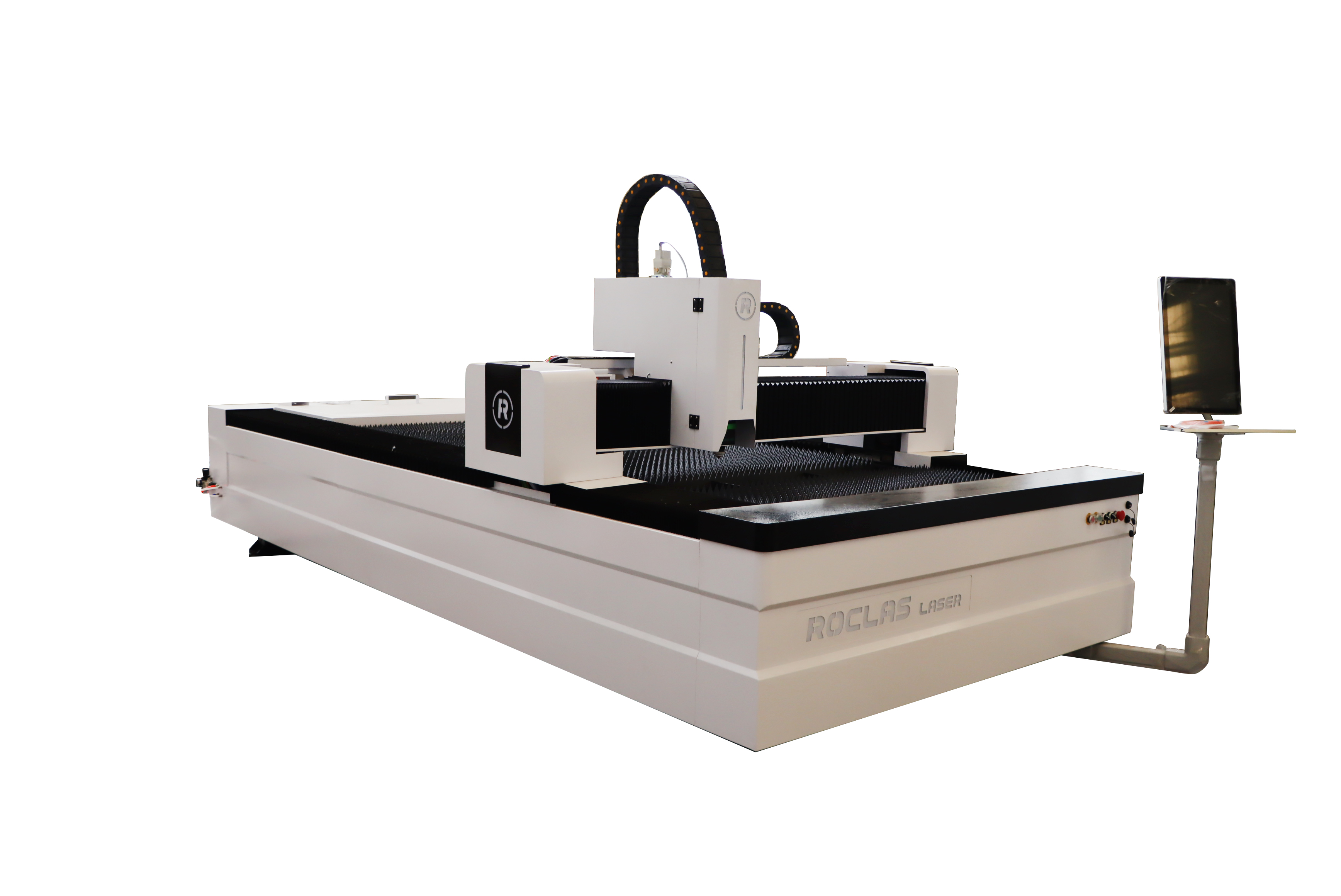
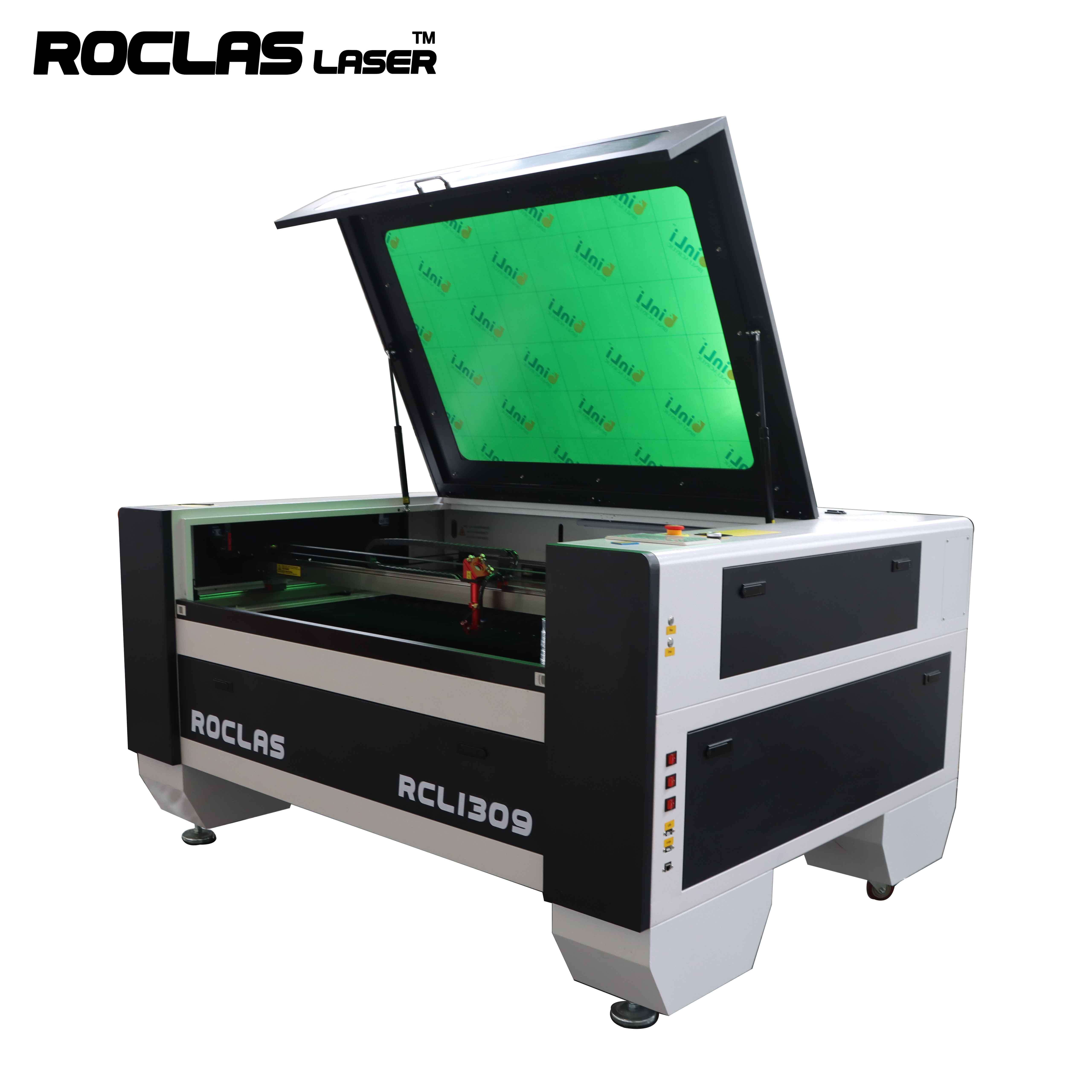
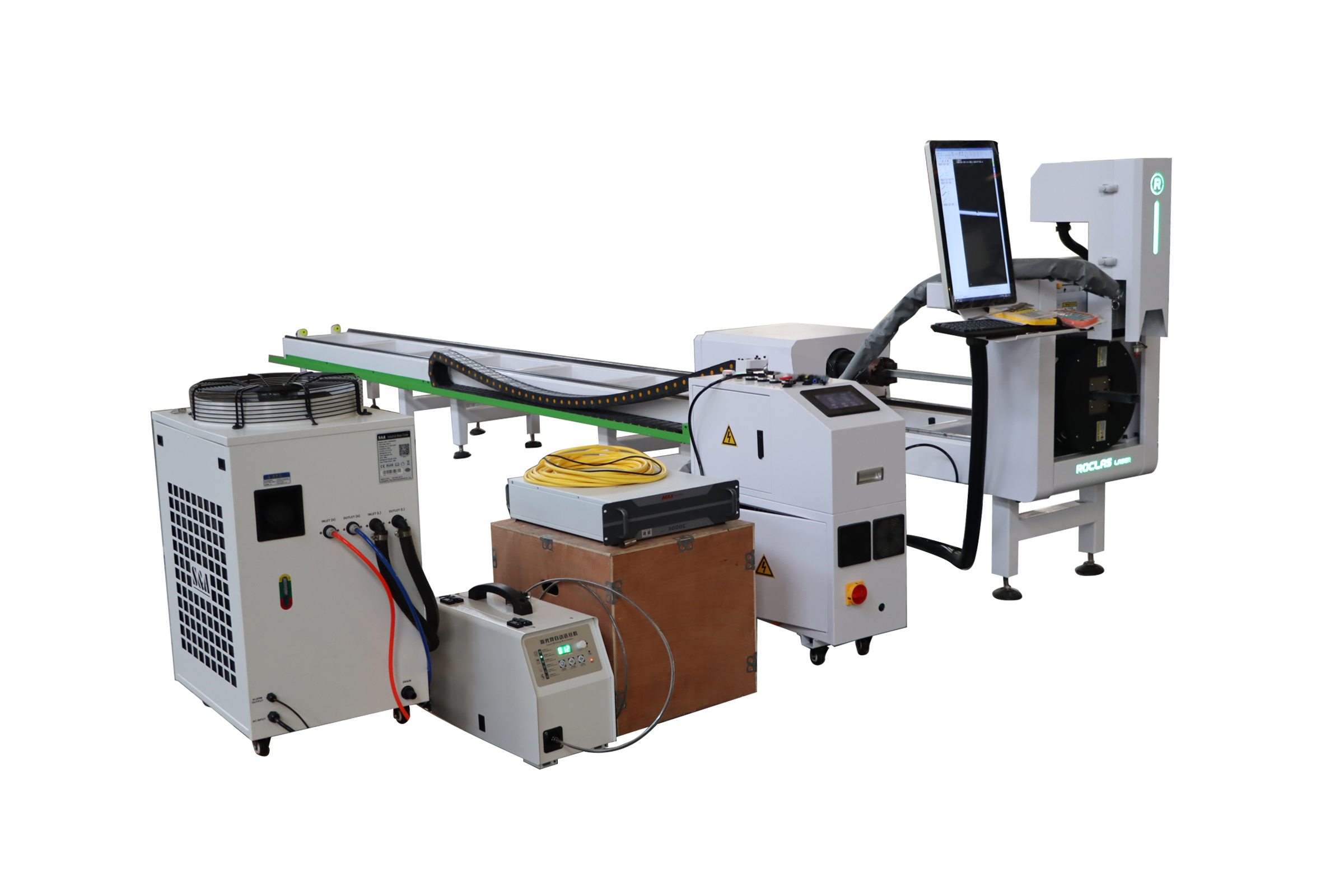
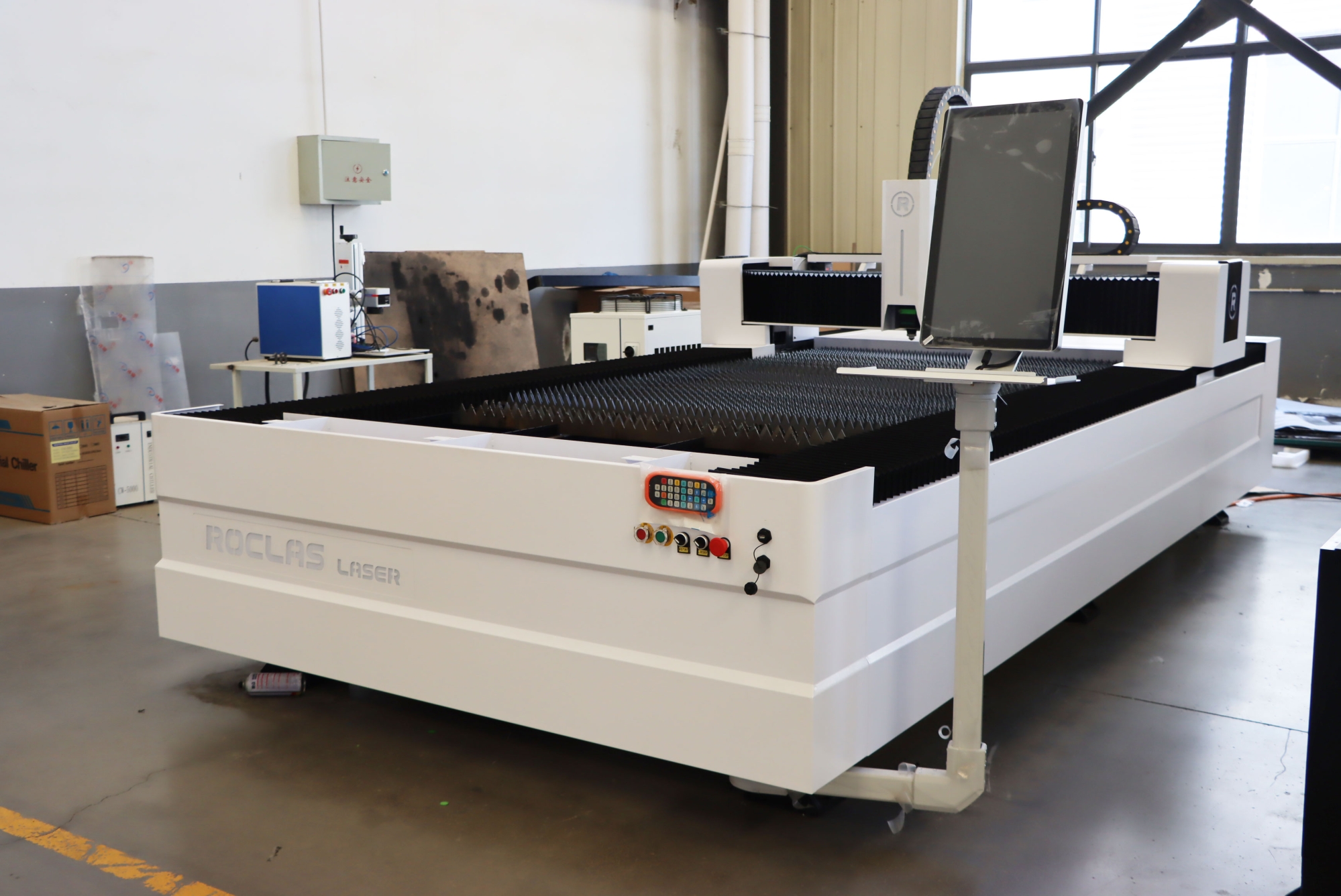
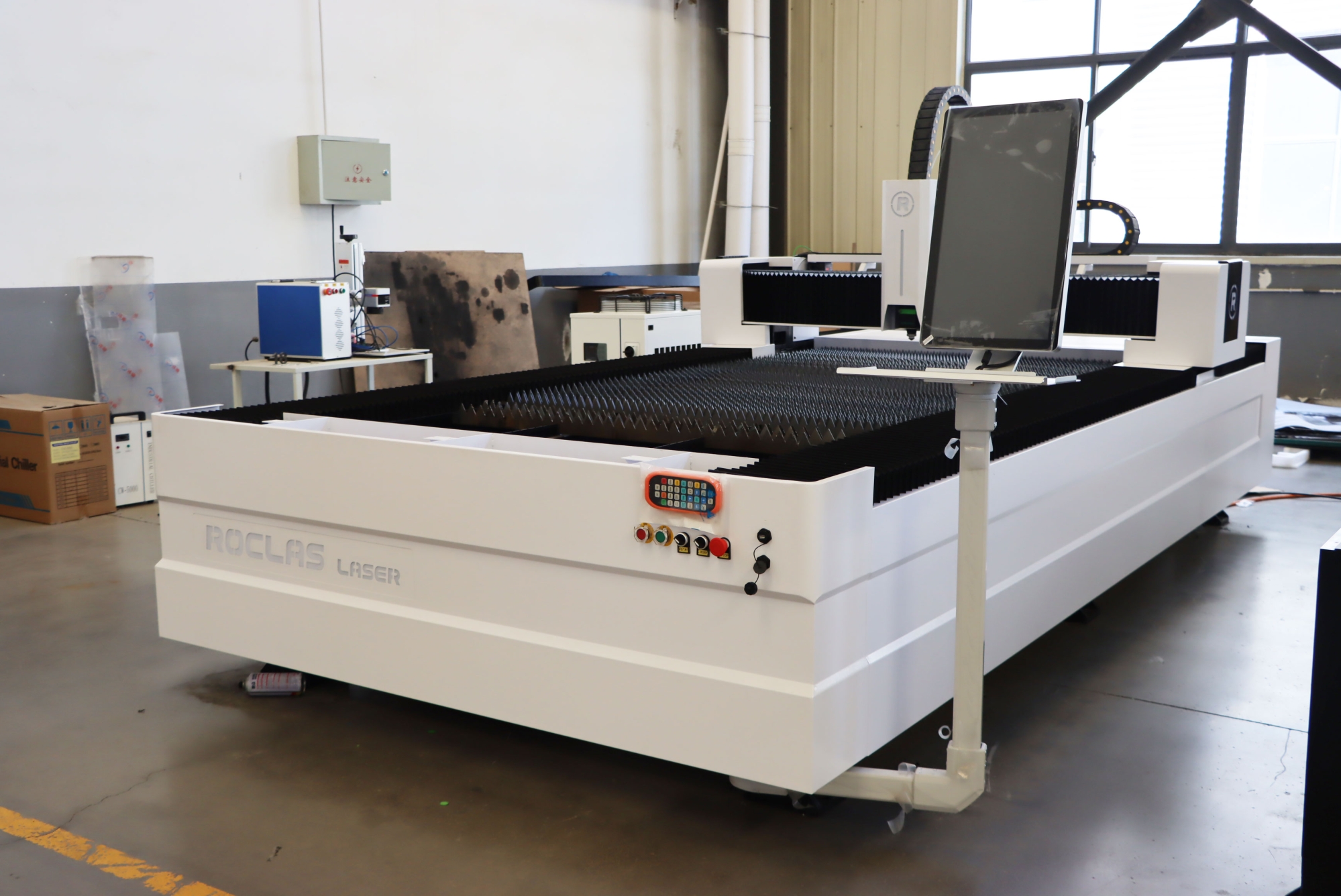
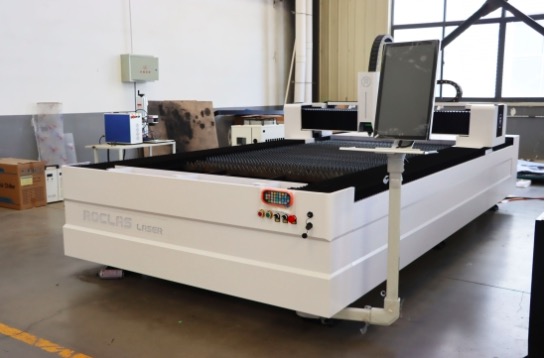
ROCLAS® MACHINERY CO., LTD. has addressed this through its RCL1530-500W co2 laser cutting machine, which the company describes as a true "all-material" processing platform. The unit combines a sealed CO2 glass laser tube for non-metals with fiber laser capability for metals, covering materials ranging from carbon steel and stainless steel to acrylic, wood, leather, and fabric. The working area of 1500×3000mm accommodates standard sheet sizes, and the machine shares the same industrial-grade heavy-duty steel structure and CNC five-face machining center processing found across the ROCLAS product line.
What distinguishes this approach is not merely the dual-source concept but the manufacturing discipline behind it. ROCLAS applies five-face machining to the structural components, ensuring flatness and perpendicularity tolerances that directly influence cutting accuracy. Imported servo drives and reducers provide the motion stability needed when switching between a 500W CO2 beam and a fiber source—each with different acceleration and cornering behavior. For workshops engaged in mixed production—say, a signage company that cuts both stainless steel letters and acrylic back panels—this eliminates the need for two separate machines and the associated floor space, operator training, and maintenance overhead.
It is worth noting that hybrid systems are not without limitations. CO2 tubes have a finite service life and require periodic replacement, and the optical alignment between two sources demands more frequent calibration than a single-source machine. The power ceiling for the CO2 component—typically 500W in this configuration—restricts thick non-metal cutting. Nevertheless, for small to medium enterprises where material variety outweighs raw throughput, the hybrid model offers a pragmatic balance.
Conclusion and Outlook
The metal and non-metal laser cutter occupies a specific but durable position in the fabrication equipment landscape. As fiber laser costs continue to decline and power ratings climb, the pure-metal segment will keep advancing. But the demand for acrylic, wood, and composite processing is not disappearing—it is growing in packaging, interior decoration, and consumer product prototyping. Hybrid systems that integrate CO2 and fiber sources address this demand without forcing workshops to choose between material categories.
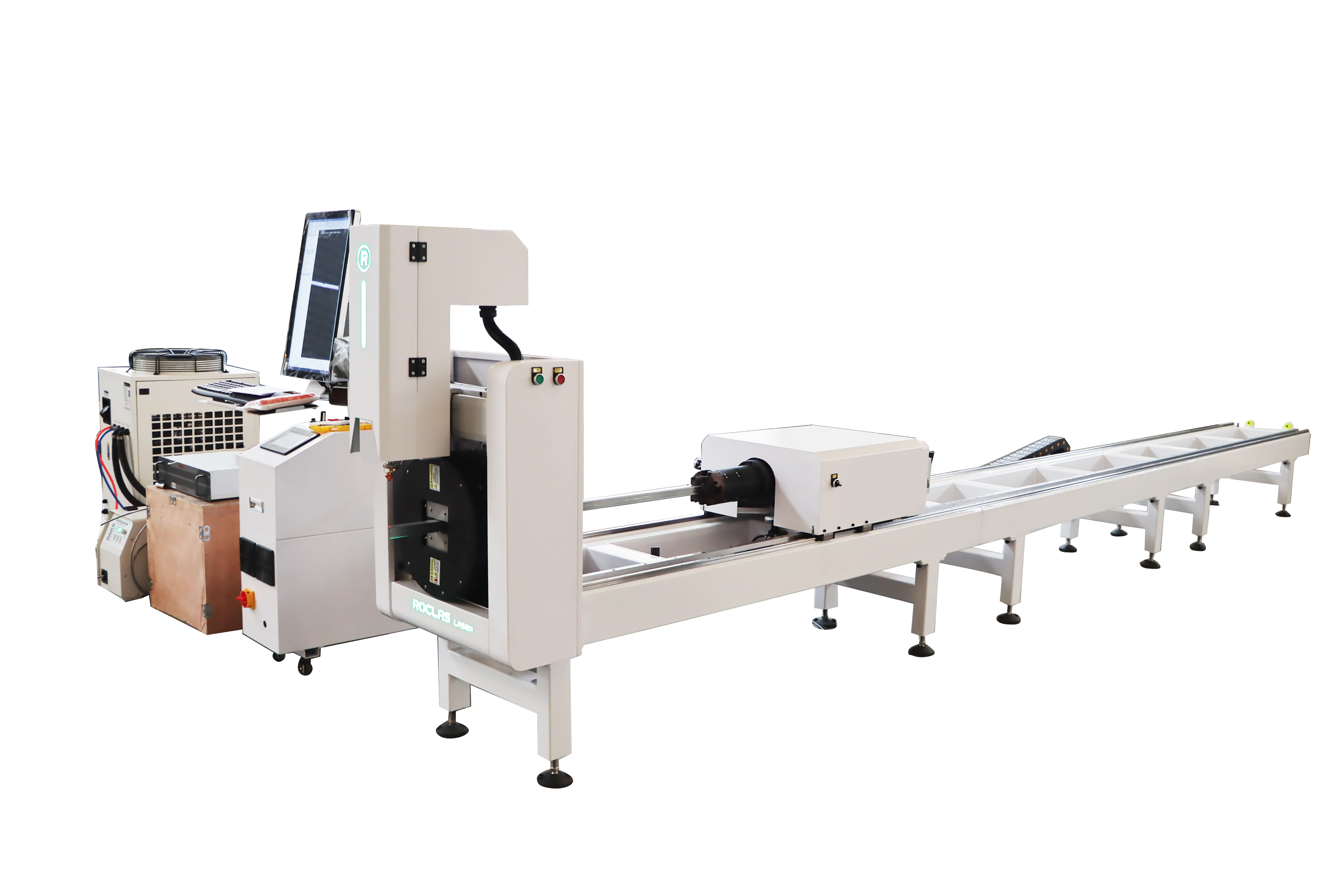
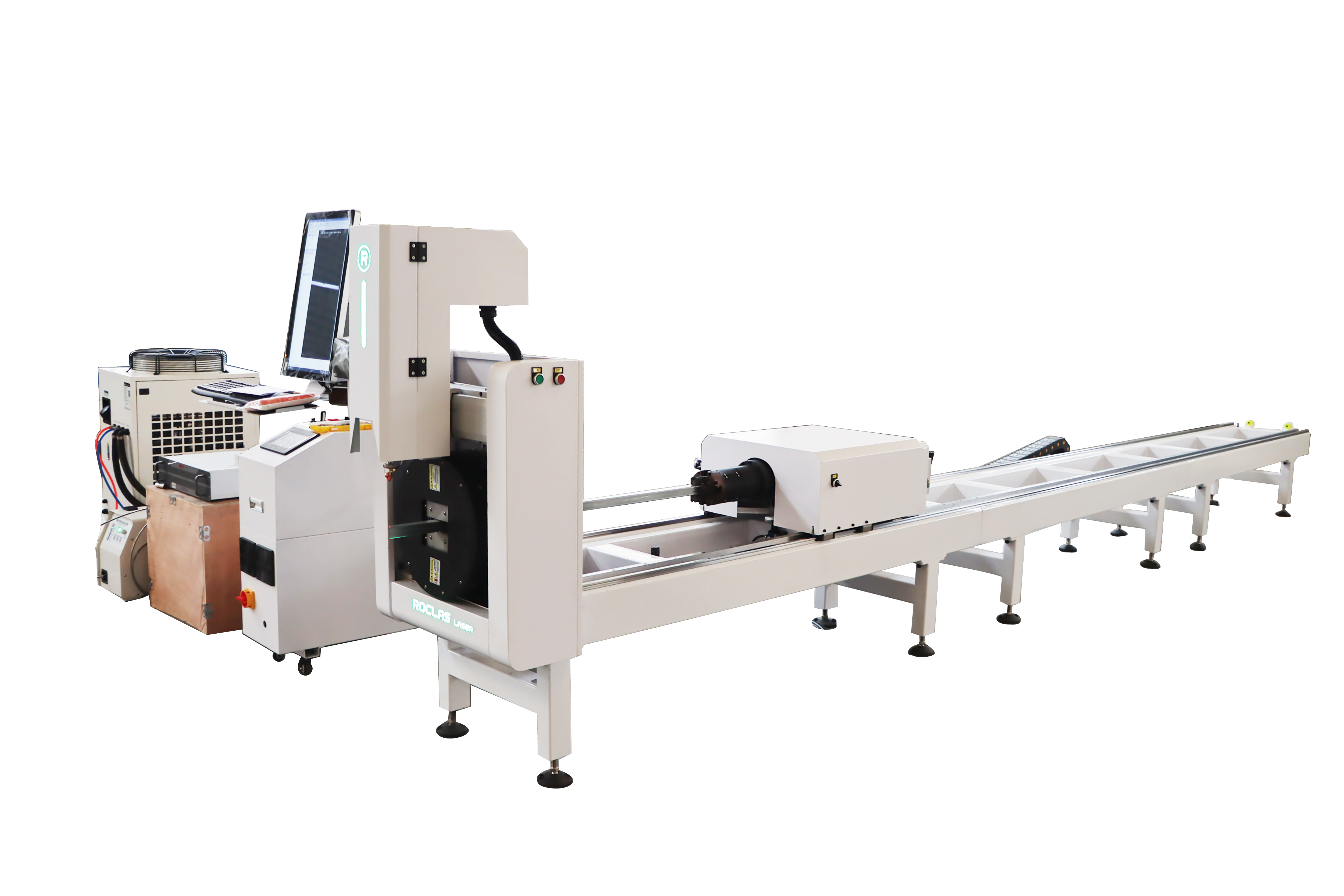
For manufacturers like ROCLAS, the strategic value lies in offering a complete portfolio—fiber machines up to 20kW for heavy metal work, CO2 platforms for non-metals, and hybrid units for mixed operations. This breadth allows the company to serve diverse customer bases across advertising, furniture, automotive, and aerospace sectors. The future likely holds further integration: higher CO2 power in hybrid frames, automatic nozzle and lens switching, and smarter nesting software that optimizes job sequences across both laser types. The technology is mature, but its application boundaries continue to expand.