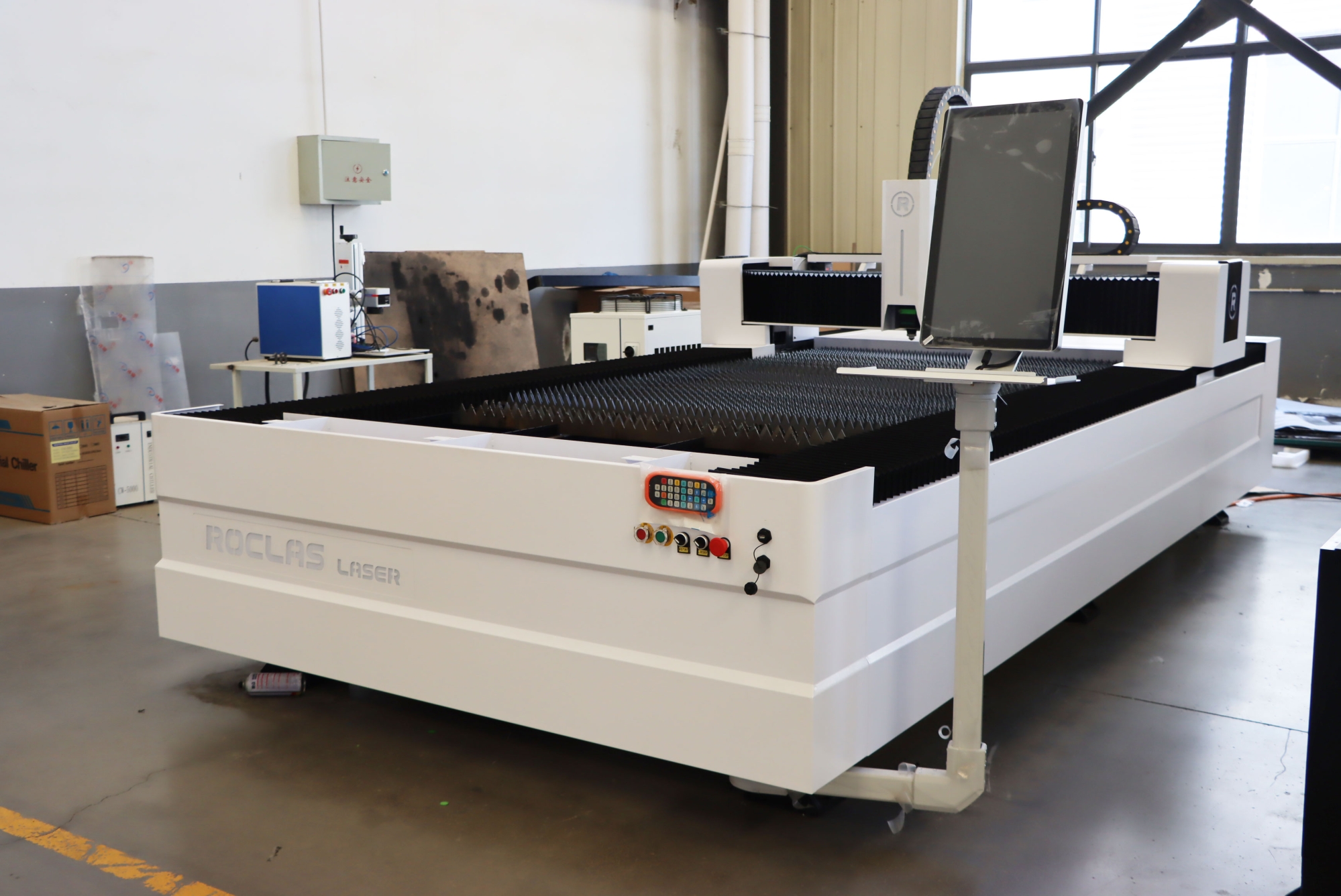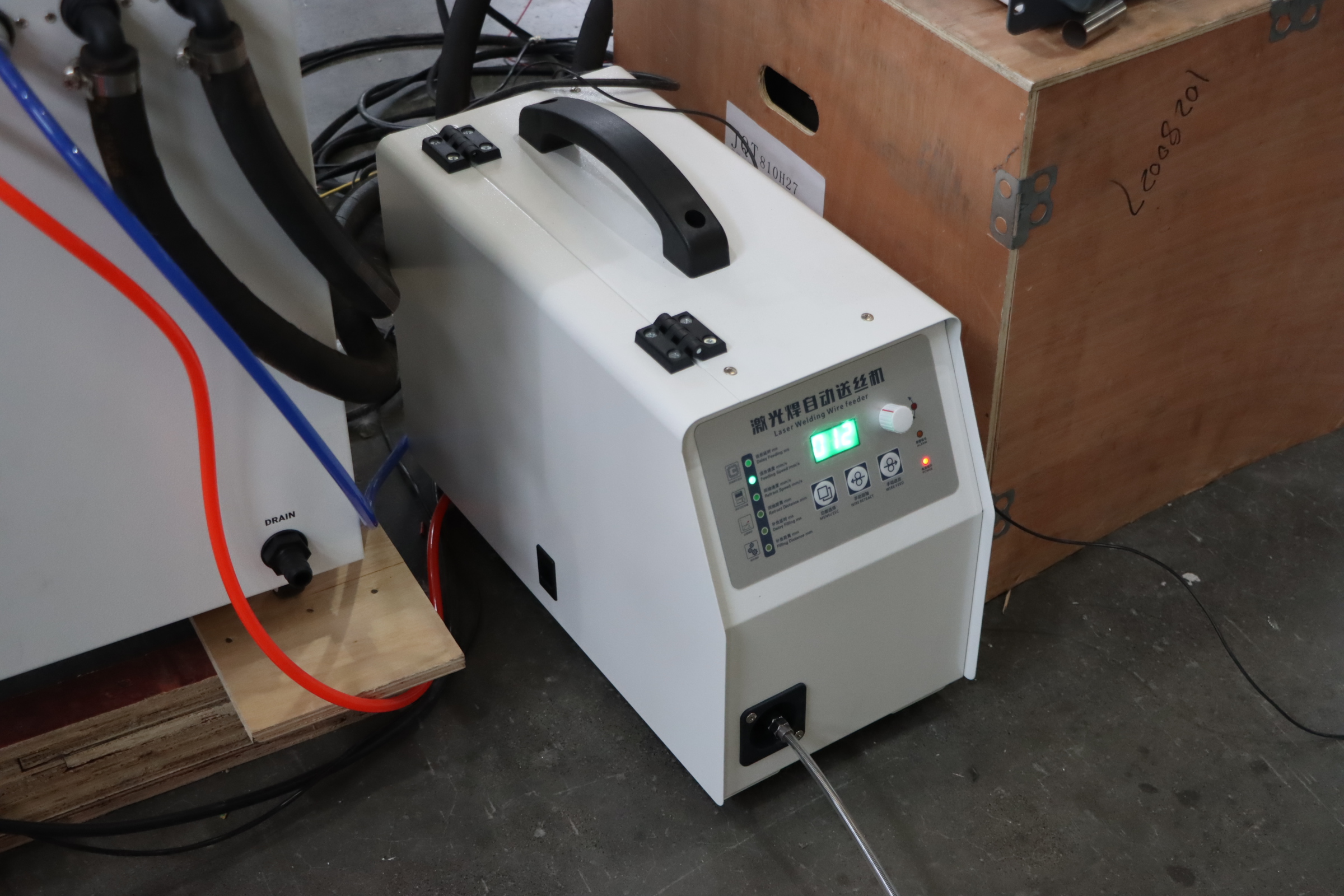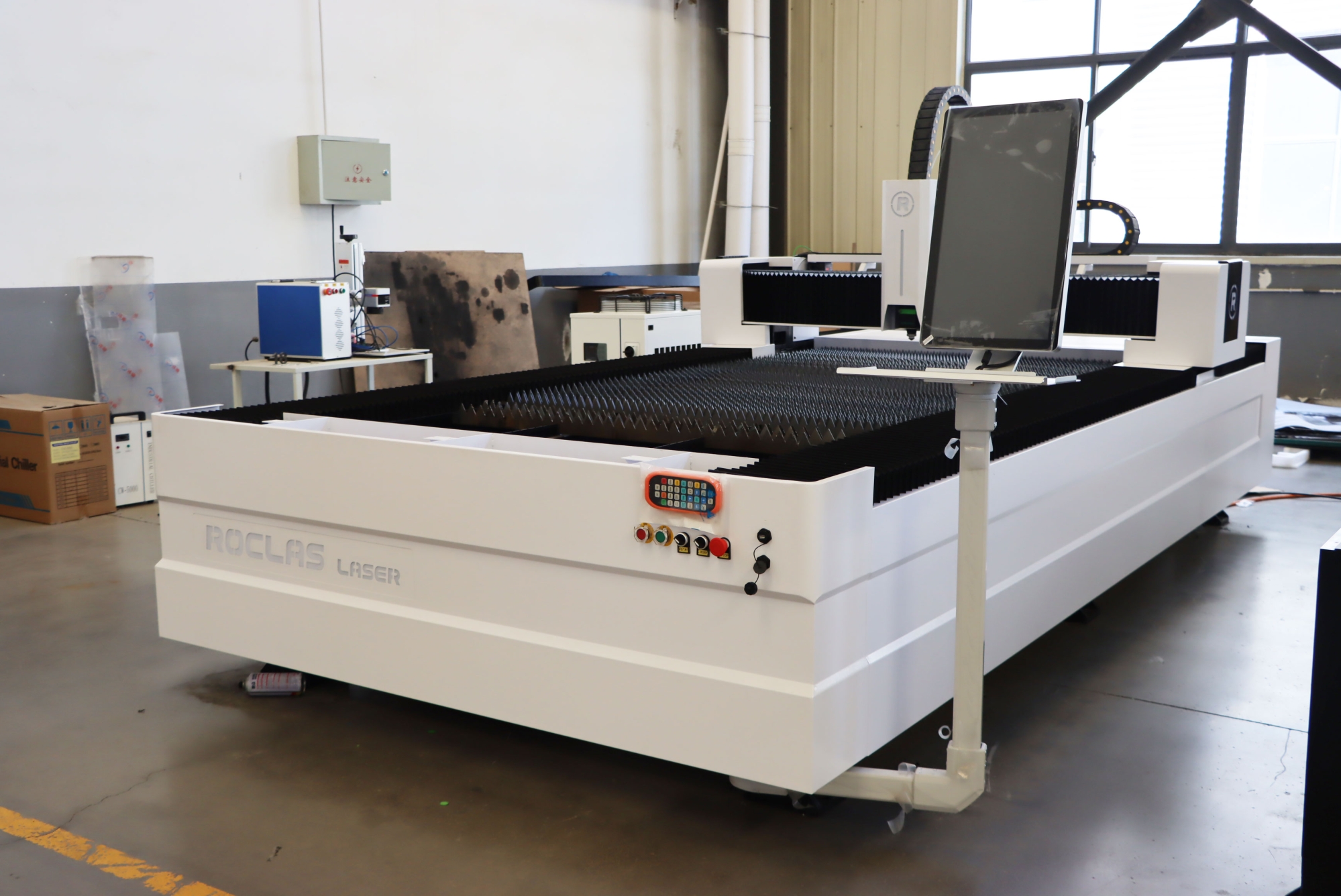
Abstract—The integration of laser cutting with downstream packaging automation remains one of the least examined bottlenecks in sheet metal production. While Fiber laser cutting machines have advanced rapidly in power and precision, the handling of finished parts after cutting is still labor-intensive in many workshops. This article examines the role of Smart Packing Machines within modern fabrication lines, drawing on the product portfolio of ROCLAS® MACHINERY CO., LTD. to illustrate how auxiliary automation reshapes throughput, labor costs, and process consistency.
I. Industry Background
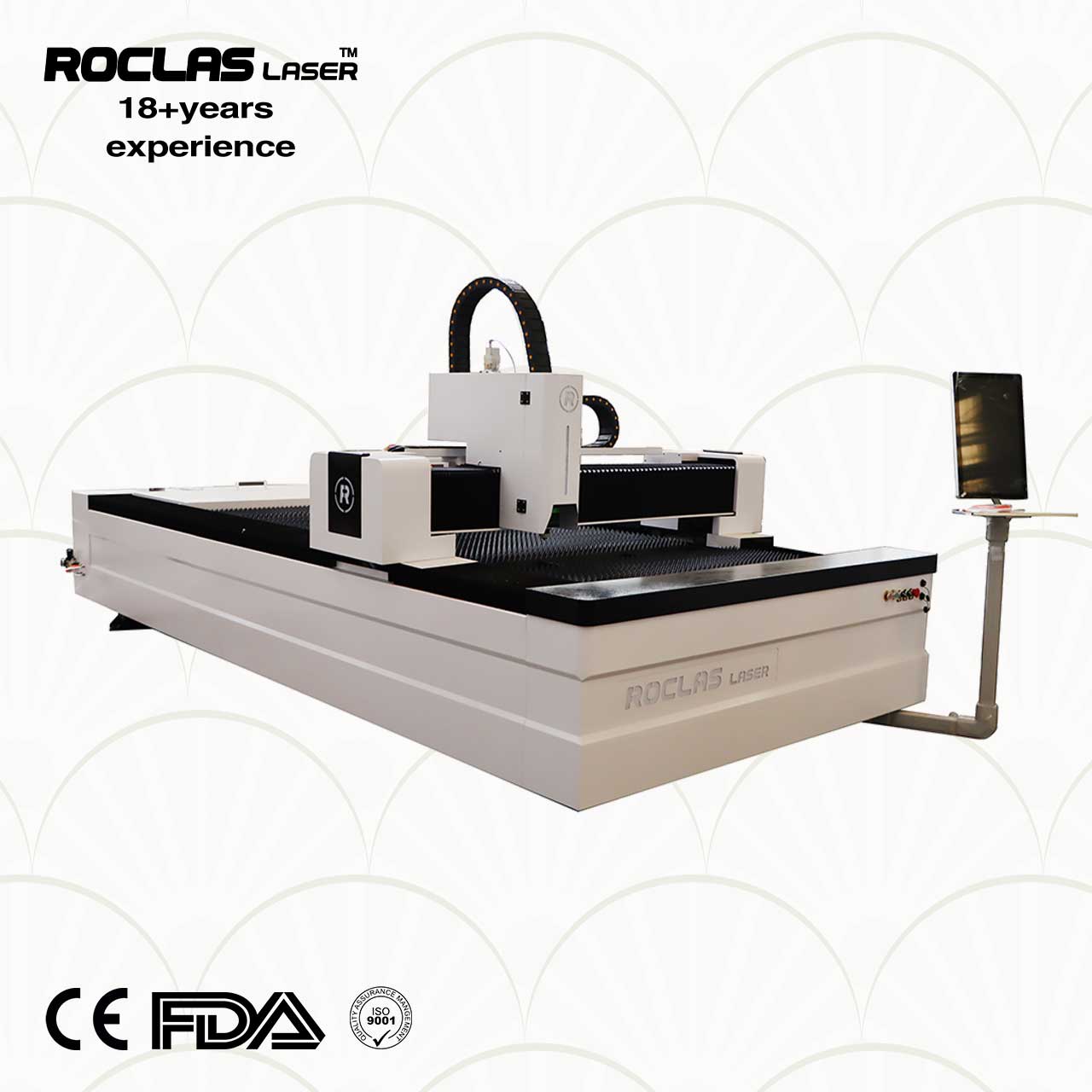
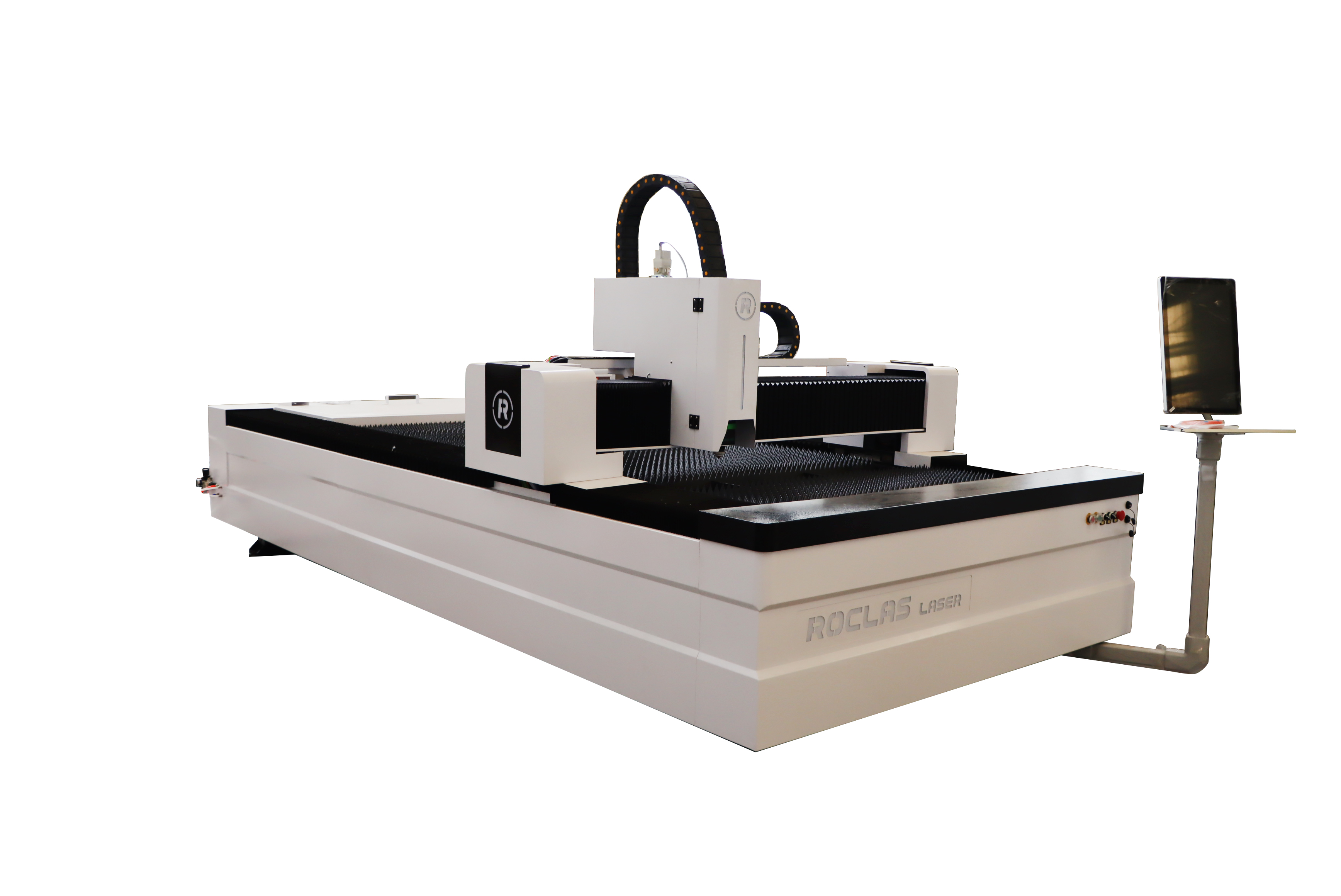
The global fiber laser cutting machine market has expanded steadily over the past decade, driven by falling laser source costs and rising demand for precision metal components. Power ratings that once topped out at 2 kW now routinely reach 12 kW, 15 kW, and even 20 kW in production environments. Yet a machine that cuts faster than the downstream process can absorb creates a new constraint: the finished-part handling stage.
In a typical job shop, a 6 kW fiber laser cutting machine may complete a nest of parts in under three minutes. Manual sorting and packing of those parts, however, can consume five to ten minutes depending on geometry and quantity. This imbalance has prompted manufacturers to look beyond the cutting head itself and toward auxiliary systems—automated nesting software, robotic arms, waste conveying systems, and smart packing machines—that close the gap between cutting and shipping.
II. Data Analysis: Where the Time Goes
To understand the value of packing automation, consider the typical time distribution in a mid-volume sheet metal operation. The table below compares manual versus automated packing across several production metrics.
| Metric | Manual Packing | Smart Packing Machine | Change |
|---|---|---|---|
| Parts packed per hour (medium complexity) | 120–180 | 350–500 | +180% |
| Labor required per shift | 2–3 operators | 0.5 operator | −75% |
| Sorting error rate | 2–4% |<0.5% | −85% |
| Floor space for staging | 15–25 m² | 6–10 m² | −60% |
| Integration with laser cutting cell | None | Full (MES/PLC link) | — |
The data above reflects typical ranges observed in fabrication environments processing 1–6 mm carbon steel and stainless steel. The most striking figure is not the raw throughput gain but the reduction in sorting errors. Mis-sorted parts lead to assembly line stoppages, rework, and in severe cases, customer rejects. A smart packing machine equipped with vision or count-verification sensors eliminates most of this risk.
Equally important is the spatial dimension. Manual packing requires staging areas adjacent to the cutting machine, consuming floor space that could otherwise host additional equipment. Automated packing systems, by contrast, can be positioned to feed directly into shipping containers or conveyor lines, compressing the physical footprint of the production cell.
III. Technical Application and Brand Case
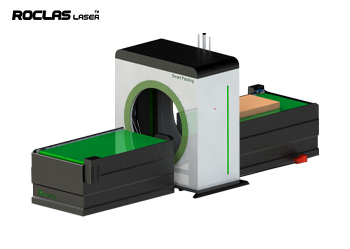
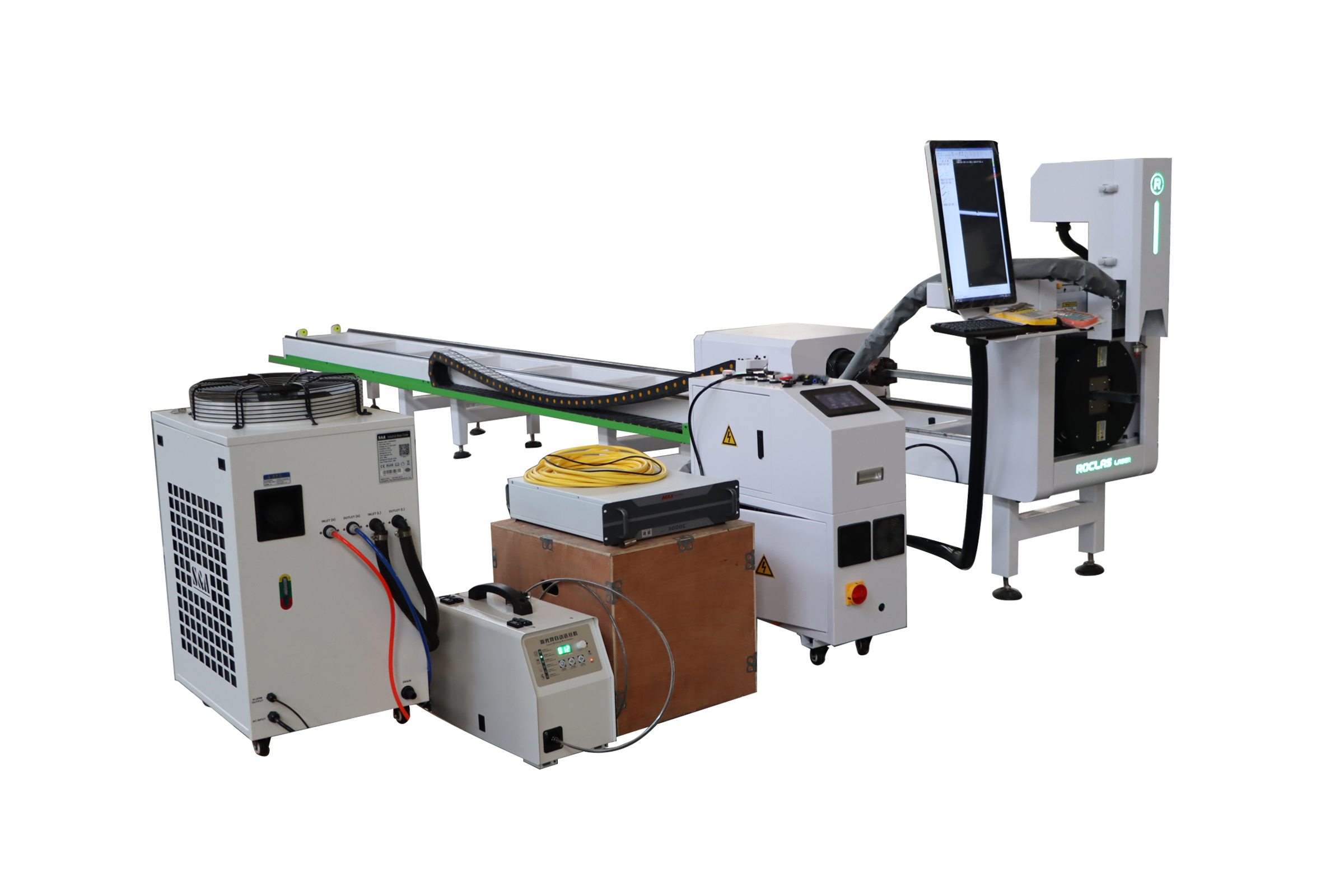
The smart packing machine is not a standalone device but a node within a broader automation architecture. In practice, it interfaces with the laser cutting machine's control system—typically Cypcut 3000S or a comparable platform—to receive nest completion signals, part counts, and material identifiers. From there, it executes a packing sequence calibrated to part geometry and downstream logistics requirements.
ROCLAS® MACHINERY CO., LTD., a laser equipment manufacturer with over 15 years of industry experience, includes smart packing machines within its auxiliary equipment portfolio. This positioning is consistent with the company's broader approach: rather than treating the laser cutter as an isolated asset, ROCLAS® designs its product lines—fiber laser cutting machines, tube cutting systems, 5-axis cutting centers, and supporting automation—as components of an integrated production workflow. The company's R&D team, which holds more than 50 patents and adds over 10 new patents annually, has focused on structural rigidity and motion control precision in its core machines; the smart packing machine extends that engineering philosophy to the post-cut stage.
The practical benefit is most evident in high-volume environments. A fabricator running a 12 kW ROCLAS® fiber laser cutting machine on 3 mm stainless steel can produce several hundred parts per hour. Without automated packing, those parts accumulate at the machine exit, requiring manual intervention that negates much of the speed advantage. With a smart packing machine integrated into the cell, the cutting machine's utilization rate—a key performance indicator in capital-intensive operations—can rise from 60–70% to 85% or higher.
It is worth noting that packing automation also supports quality traceability. By logging part counts, timestamps, and material batch information, the smart packing machine generates data that feeds into MES or ERP systems. For manufacturers serving automotive, aerospace, or medical device customers, this traceability is not optional—it is a contractual requirement.
IV. Conclusion and Outlook
The smart packing machine represents a logical step in the maturation of metal fabrication automation. As laser cutting power and speed continue to increase, the bottleneck shifts downstream. Manufacturers that address this bottleneck through integrated packing solutions will capture gains in throughput, labor efficiency, and quality consistency that pure cutting-speed improvements alone cannot deliver.
ROCLAS® MACHINERY CO., LTD. has positioned its auxiliary equipment—including smart packing machines, robotic arms, and waste conveying systems—as part of a coherent automation ecosystem. For fabricators evaluating capital investments, the question is no longer whether to automate cutting, but how far downstream that automation should extend. The answer, increasingly, is: all the way to the packing line.