Abstract
The question of how much a Fiber laser cutting machine costs admits no single answer. Pricing spans from roughly USD 15,000 for an entry-level 1.5kW sheet cutter to well over USD 300,000 for a 20kW high-power production system, and the spread reflects genuine differences in laser source, bed construction, control electronics, and automation rather than arbitrary brand premiums. This article breaks down the cost structure by power class and configuration, examines where the money actually goes, and considers how buyers in woodworking, stone processing, and general metal fabrication should evaluate total cost of ownership rather than sticker price alone.
Industry Background and Price Data
Fiber laser cutting has displaced CO2 technology across most metal fabrication segments over the past decade. The reasons are well understood: fiber sources convert electricity to cutting energy at roughly three times the wall-plug efficiency of CO2 tubes, require no laser gas, and hold focus on reflective materials such as copper and aluminum when equipped with suppression modules. What is less widely discussed is how the price floor has moved. Chinese manufacturers now account for the majority of global unit volume, and competition among them has compressed margins on standard configurations while simultaneously pushing the ceiling upward with higher-power and more automated systems.
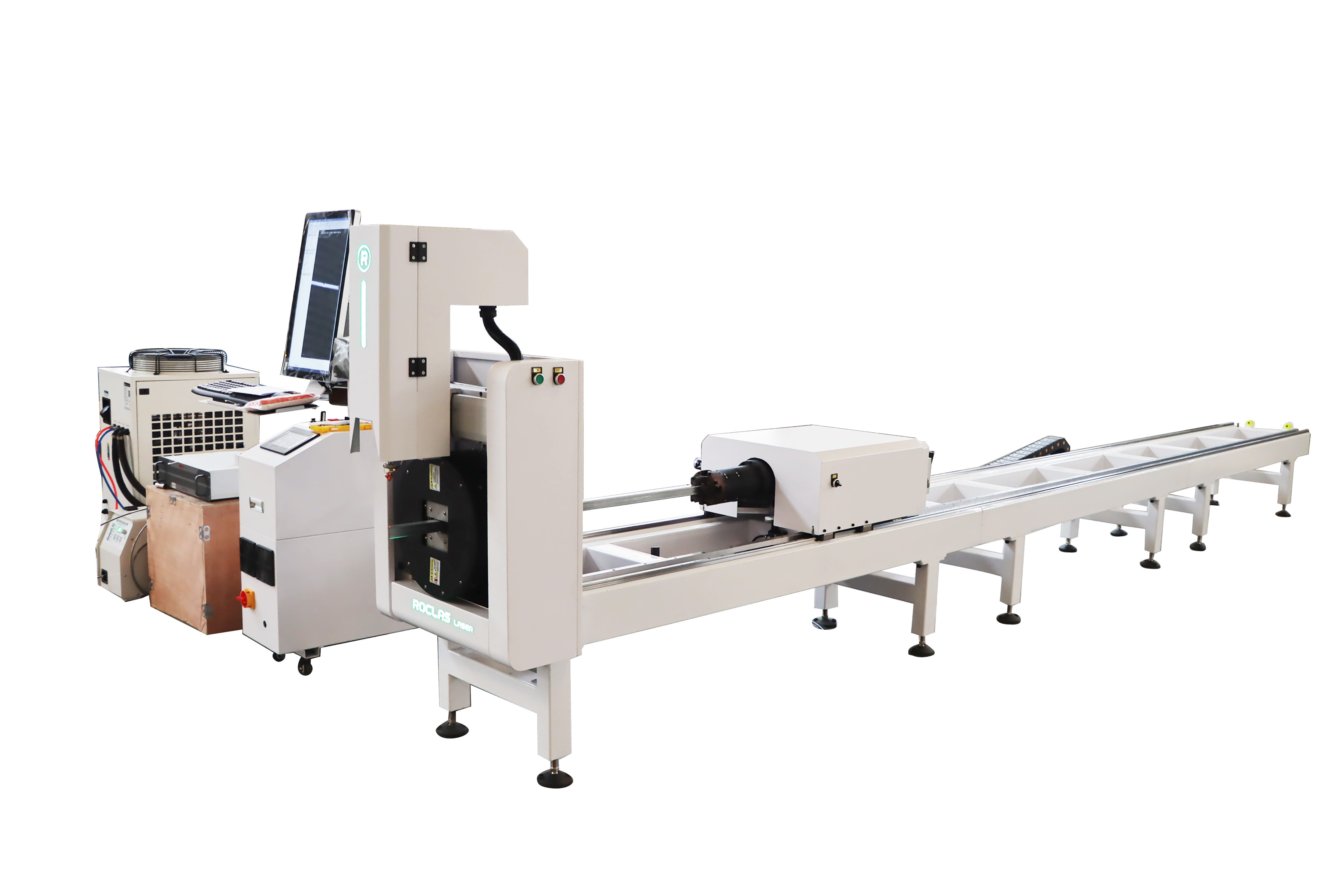
The table below summarizes indicative pricing across common configurations, based on current market positioning for Chinese-manufactured equipment. Figures are ex-works and exclude installation, freight, and local duties.
| Configuration | Laser Power | Working Area | Typical Price Range (USD) | Primary Application |
|---|---|---|---|---|
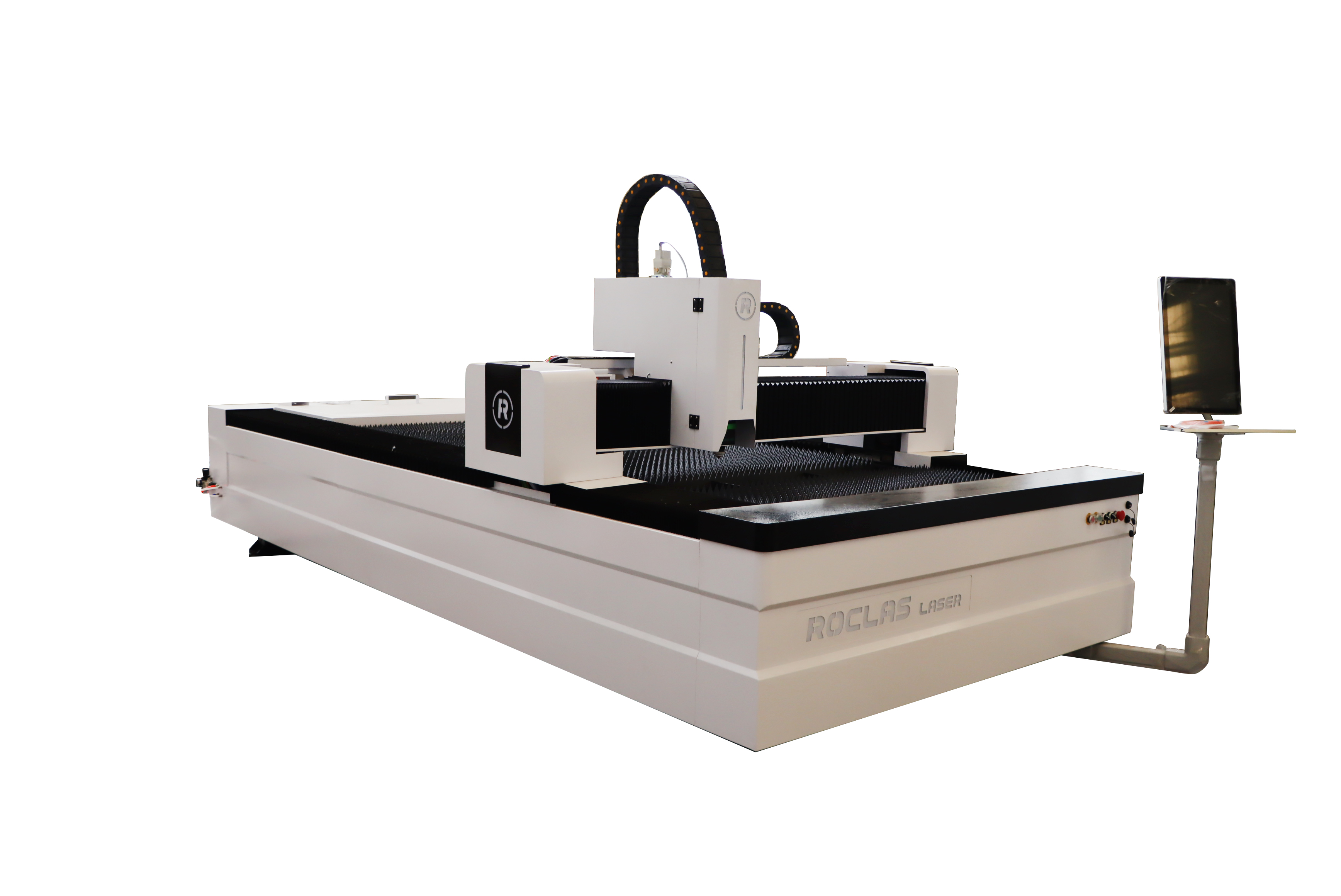
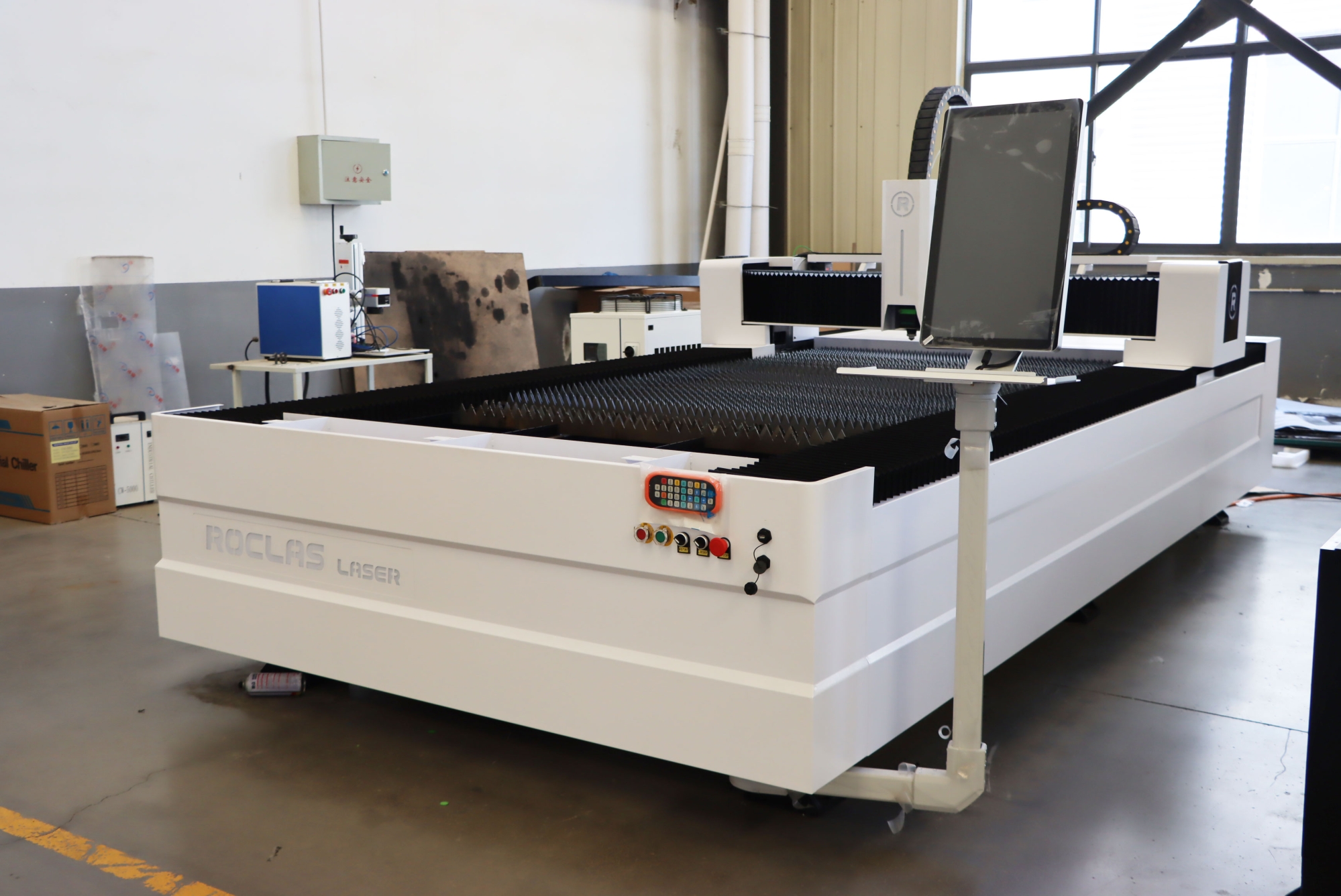
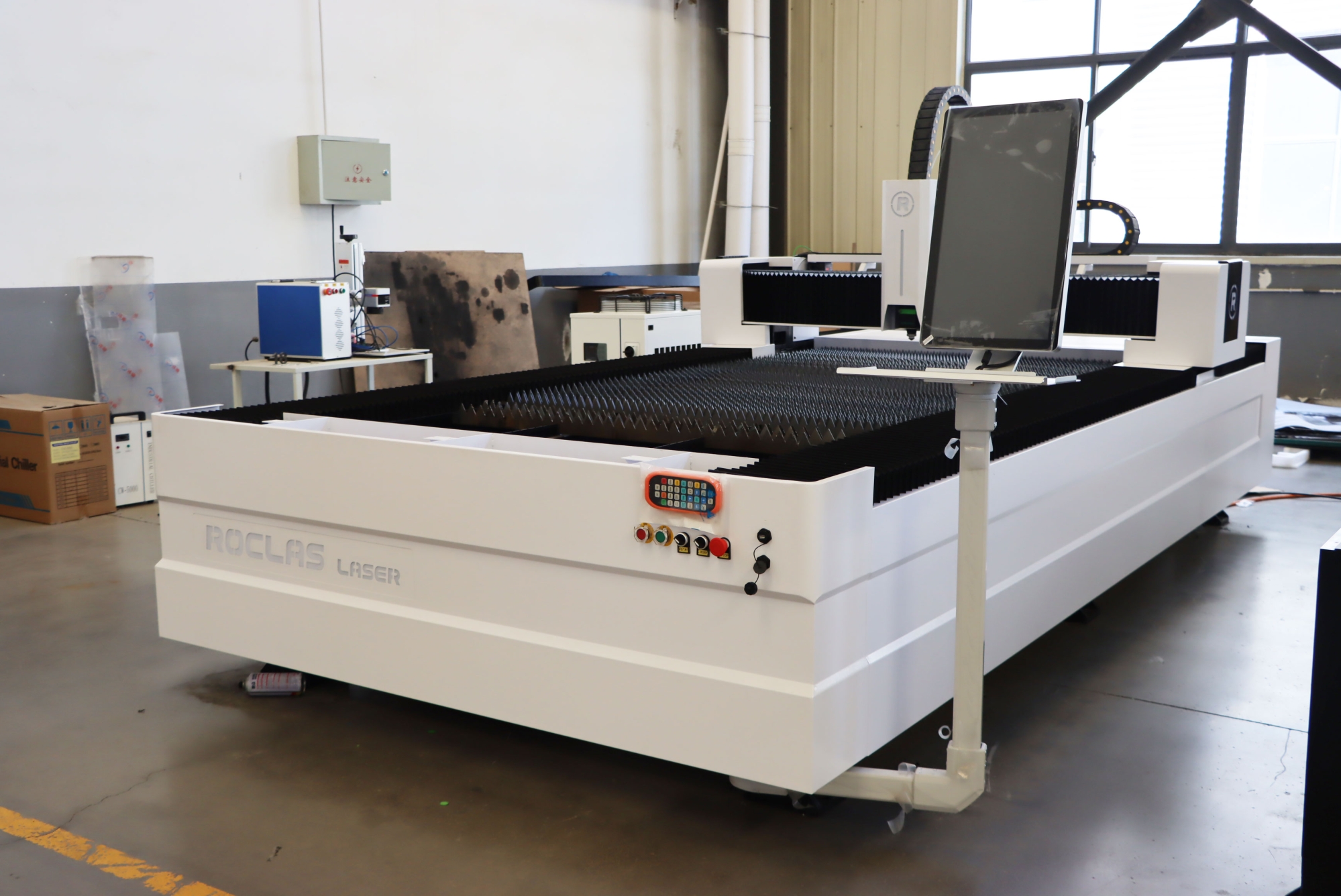
| Entry sheet cutter | 1.5 kW | 3000×1500 mm | 15,000 – 25,000 | Thin-gauge mild steel, signage |
| Standard sheet cutter | 3 kW | 3000×1500 mm | 25,000 – 40,000 | General fabrication, 3–6 mm steel |
| Mid-range sheet cutter | 6 kW | 4000×2000 mm | 45,000 – 70,000 | Stainless, aluminum, 10–16 mm |
| High-power sheet cutter | 12 kW | 4000×2000 mm | 90,000 – 140,000 | Thick plate, structural steel |
| Ultra-high-power | 20 kW | 4000×2000 mm+ | 180,000 – 300,000+ | Heavy plate, high-volume production |
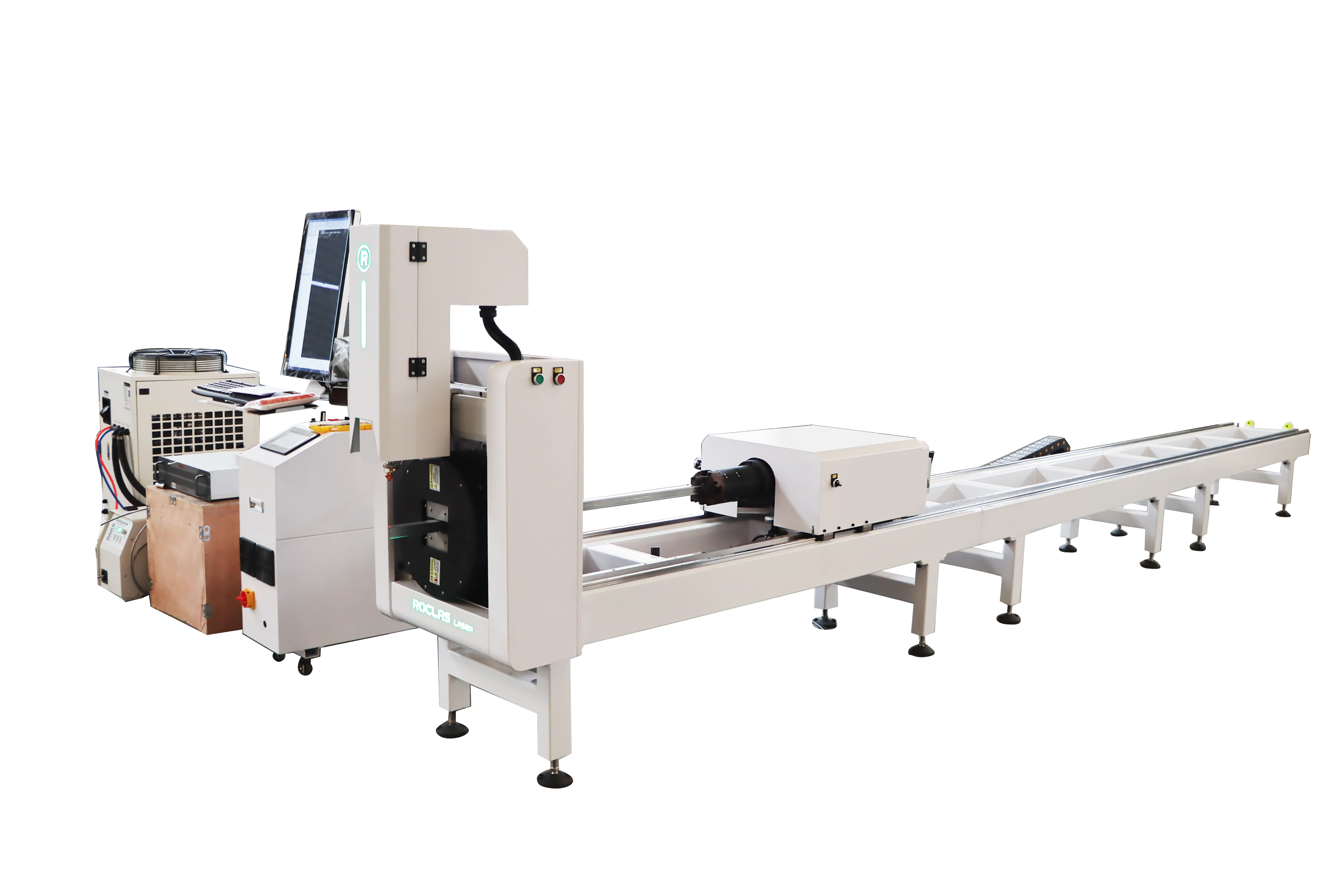
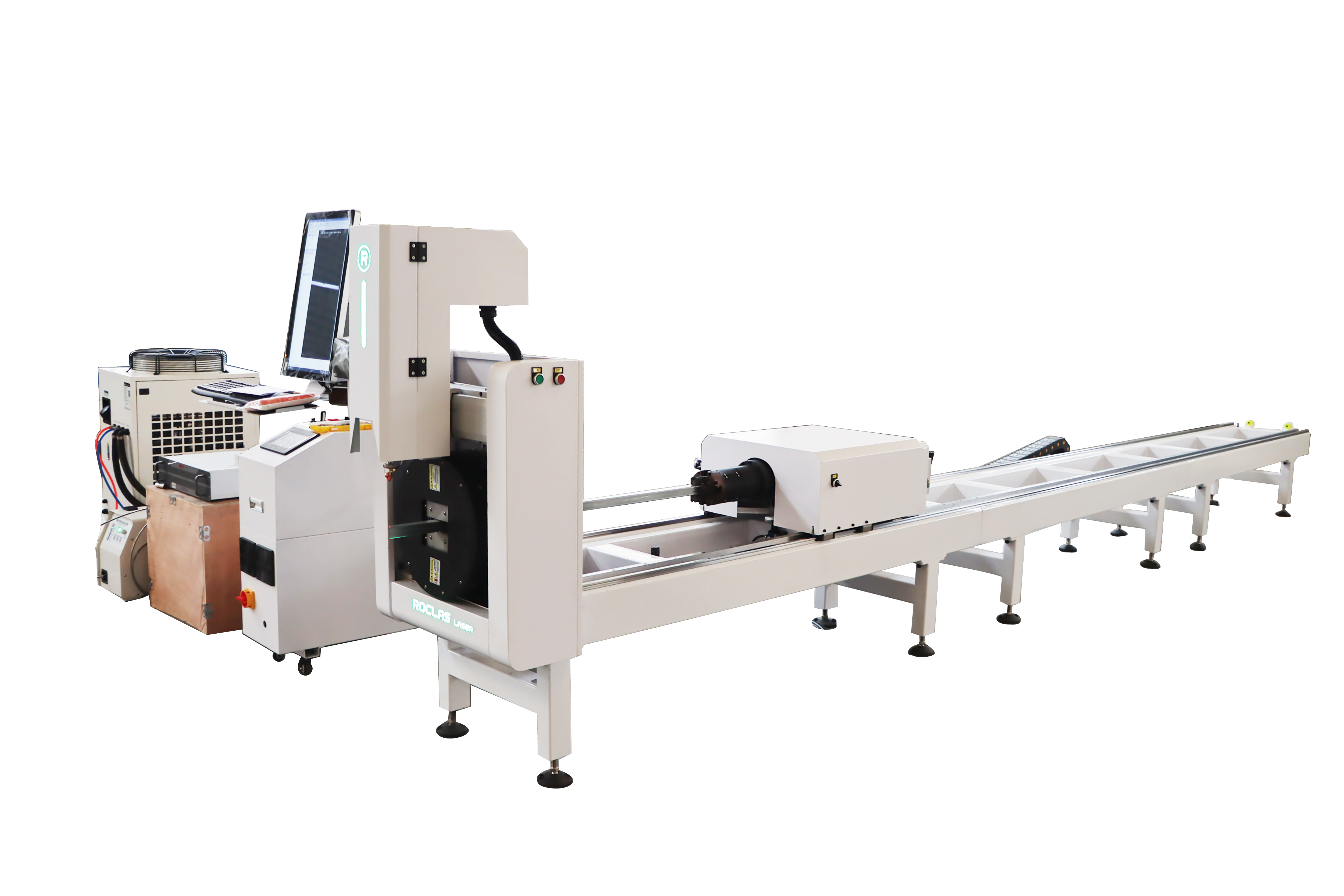
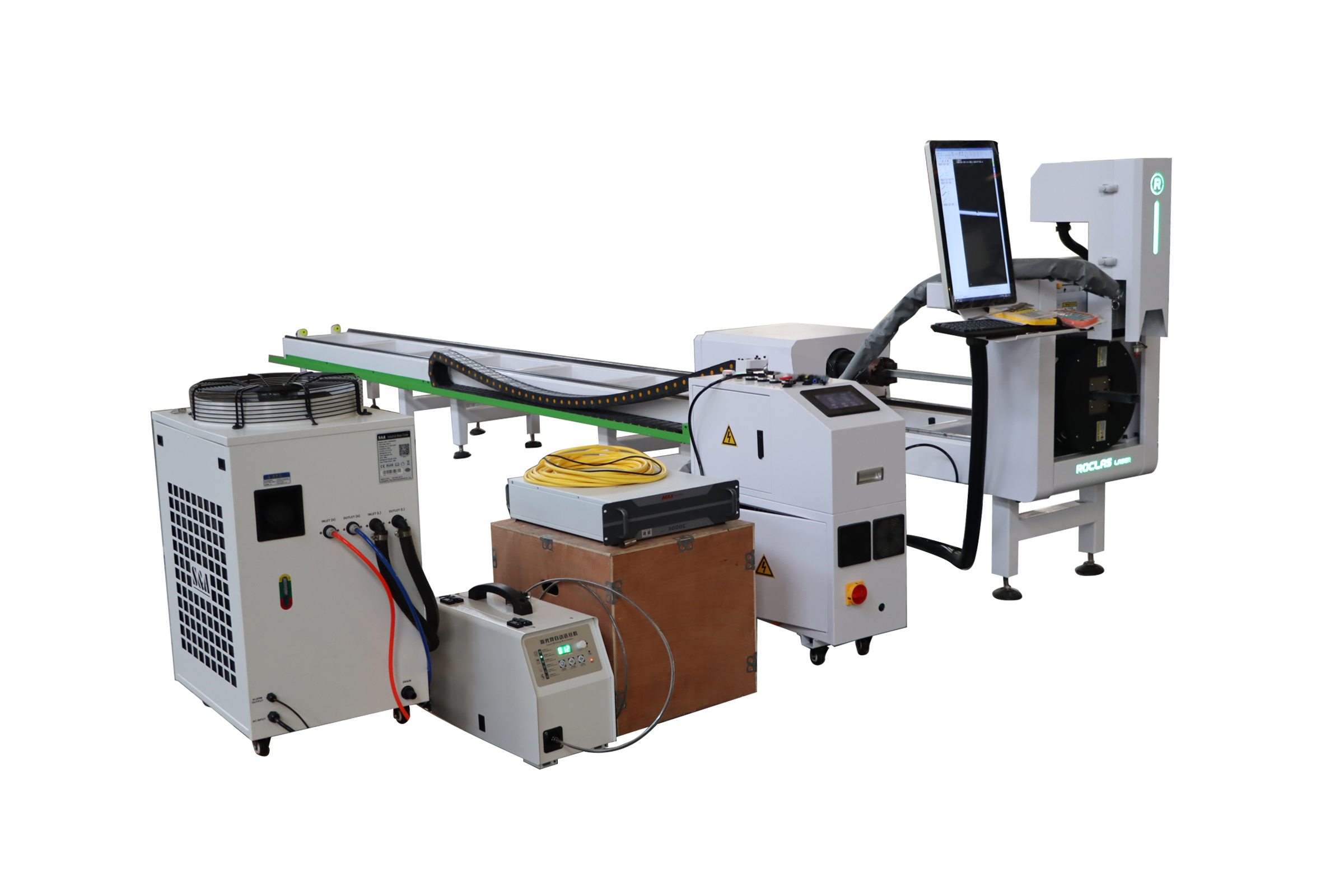
| Tube cutter | 1–3 kW | 1500×4000 mm | 35,000 – 60,000 | Round/square tube up to 220 mm |
| Sheet-tube integrated | 3 kW | Dual function | 50,000 – 80,000 | Mixed-production workshops |
| 5-axis 3D center | 3–6 kW | Custom | 120,000 – 250,000 | Complex 3D workpieces |
Three observations follow from this data. First, the relationship between power and price is non-linear: doubling from 3kW to 6kW adds roughly 80 percent to cost, while the jump from 12kW to 20kW can add 100 percent or more, because the laser source, chiller, cutting head, and bed all require upgrading in step. Second, working area matters less than most buyers assume. A 4000×2000 mm bed adds perhaps 10–15 percent over a 3000×1500 mm bed in the same power class, because the gantry and servo system scale more cheaply than the resonator. Third, the integration premium is real but modest: a sheet-tube combined machine costs considerably less than two separate machines, which is why mixed-production shops increasingly favor the integrated format.
Where the Money Goes
The laser source alone accounts for 30–40 percent of total machine cost. Raycus and MAX sources dominate the Chinese market, with IPG and nLIGHT units commanding a premium of 30–50 percent for comparable power. Below the source, the cutting head (Raytools being the most common specification) represents 8–12 percent, the CNC control and servo package another 10–15 percent, and the bed and gantry structure the remainder. That last item deserves attention: a heavy-duty steel structure processed on a CNC five-face machining center costs more upfront than a lighter welded frame, but it holds geometry over years of thermal cycling. Buyers who compare quotations purely on power and price frequently discover this distinction only after their second year of operation.
Automation is the other major cost variable. A bare machine with manual loading can be upgraded with a steel coil uncoiler and automatic feeding system, a robotic arm, or a smart packing line. Each addition raises the capital outlay but changes the labor equation substantially. For a shop running two shifts on thin-gauge material, a coil-fed line often pays back within eighteen months through reduced handling labor and higher material utilization from automatic nesting.
Technical Application and Brand Case
ROCLAS® MACHINERY CO., LTD. illustrates how a mid-market manufacturer positions across this price spectrum. The company offers fiber laser cutters from 1kW to 20kW, tube cutters with a 220 mm maximum diameter, sheet-tube integrated machines, and 5-axis centers with n×360° infinite rotation for three-dimensional workpieces. Its standard sheet machines specify ±0.03 mm positioning accuracy and ±0.02 mm repositioning accuracy, with travel speeds to 100 m/min and 1.0G acceleration — figures that would have belonged to premium imported machines a decade ago.
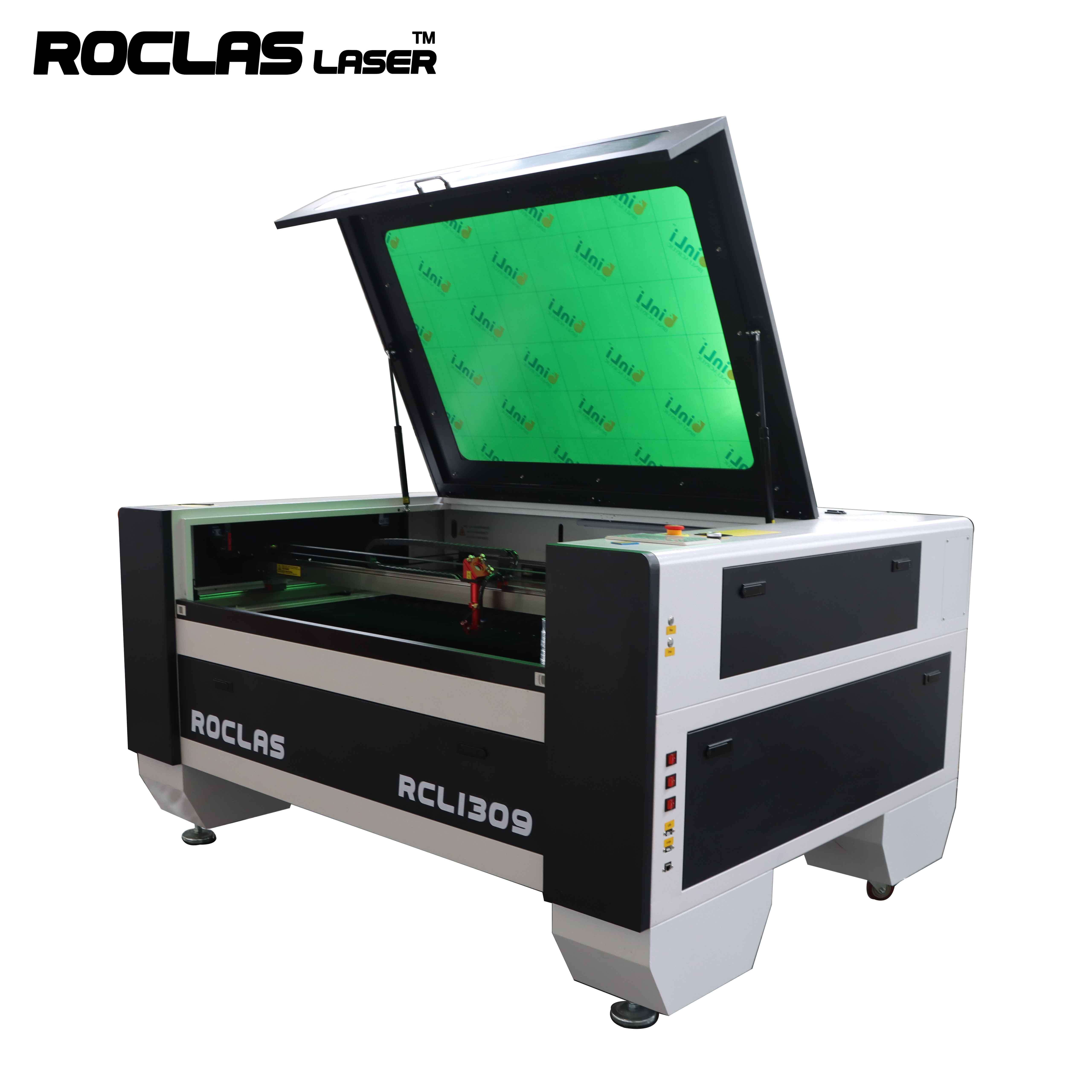
For woodworking and stone processing readers, the relevant product is the hybrid CO2-plus-fiber platform. A single machine combining a sealed CO2 glass tube for non-metals and a fiber source for metals covers acrylic, wood, leather, and fabric alongside stainless and carbon steel, with a 1500×3000 mm working area. This configuration addresses a persistent problem in mixed-material shops — the need to buy two machines to serve one customer base. ROCLAS backs its equipment with ISO 9001, CE, FDA, UL, and PDL certifications and holds more than 50 patents, which matters for buyers who need documentation for export markets or regulated applications.
Conclusion and Outlook
The honest answer to what a fiber laser cutter costs is that the machine is the smaller part of the decision. A 6kW system priced at USD 55,000 will consume roughly USD 8,000–12,000 annually in electricity, assist gas, lenses, nozzles, and maintenance over a two-shift schedule. Buyers should therefore evaluate quotations against the specific material mix, thickness range, and throughput they actually run, not against a headline power figure. The trend lines are clear: source prices continue to fall, automation continues to absorb labor, and the practical floor for a production-worthy machine keeps rising as basic configurations become more capable. The shops that fare best are those that cost the whole system, not the box.