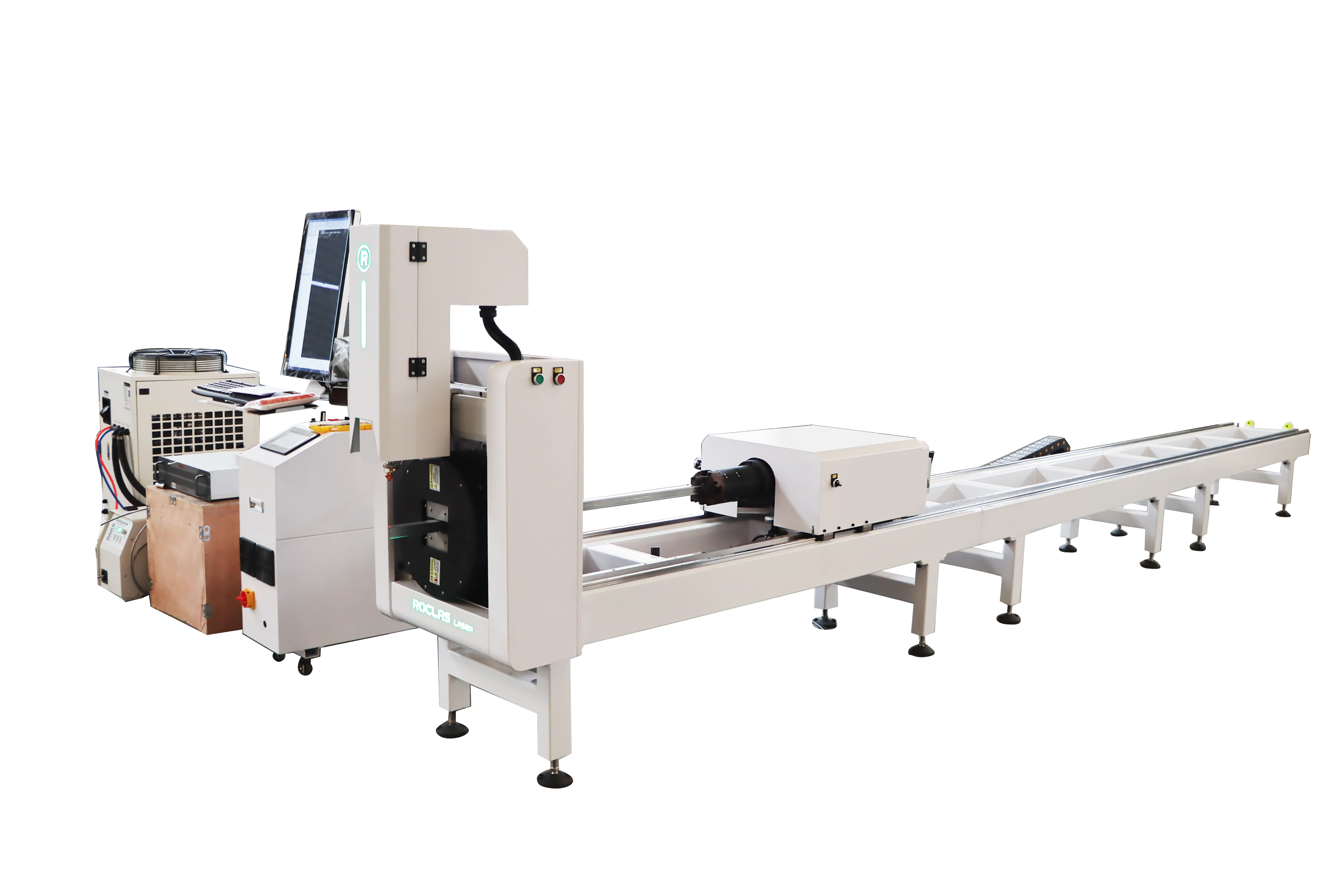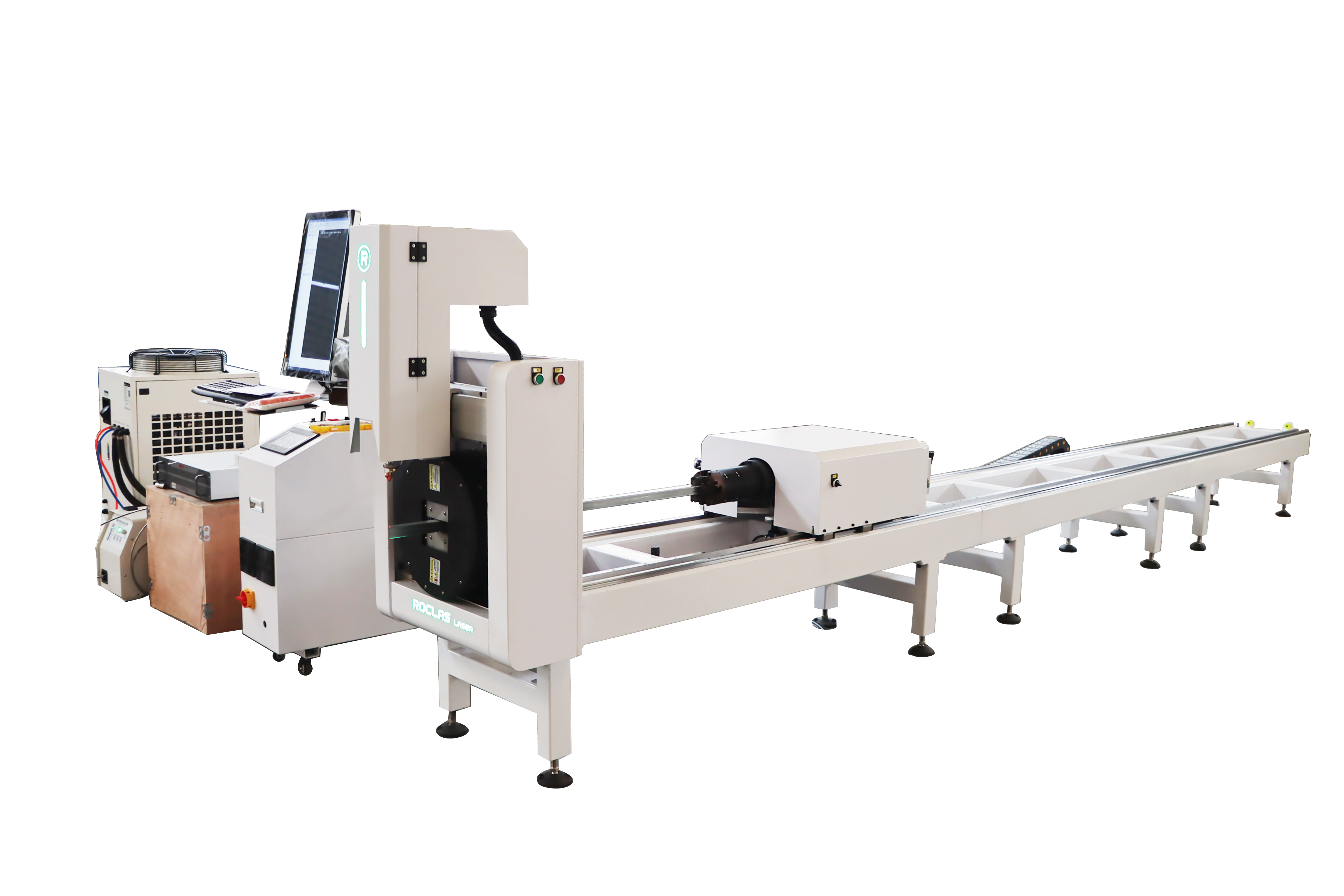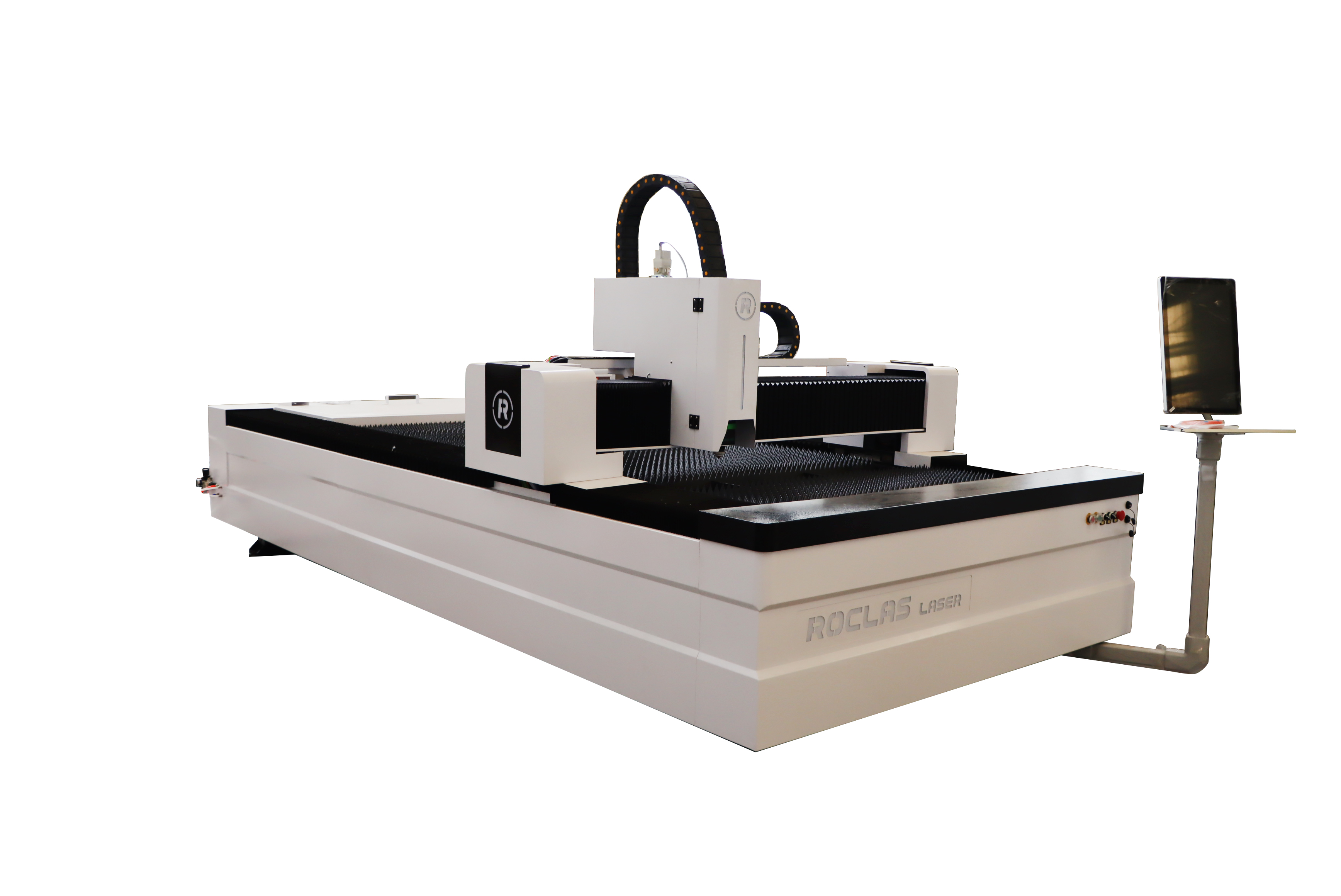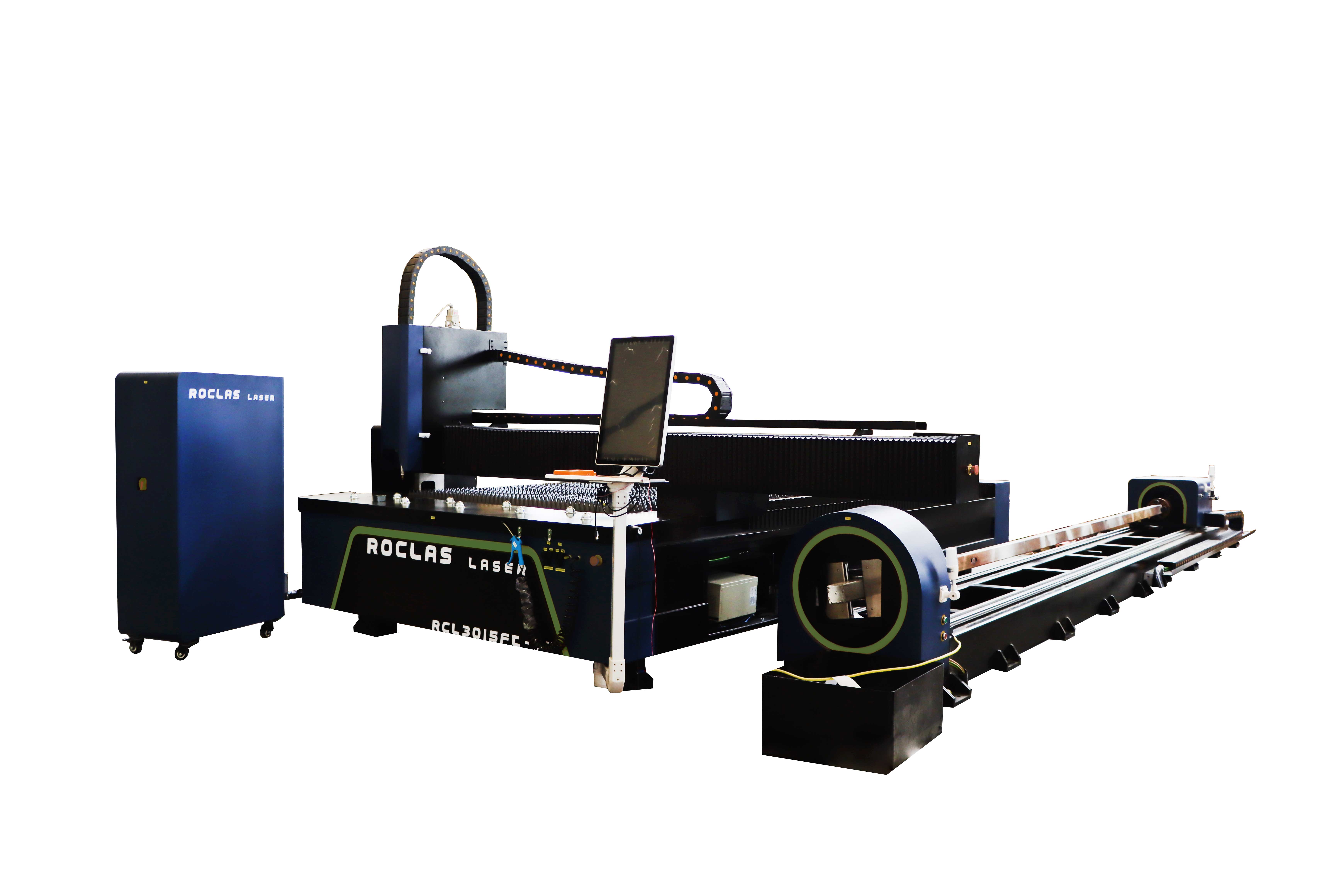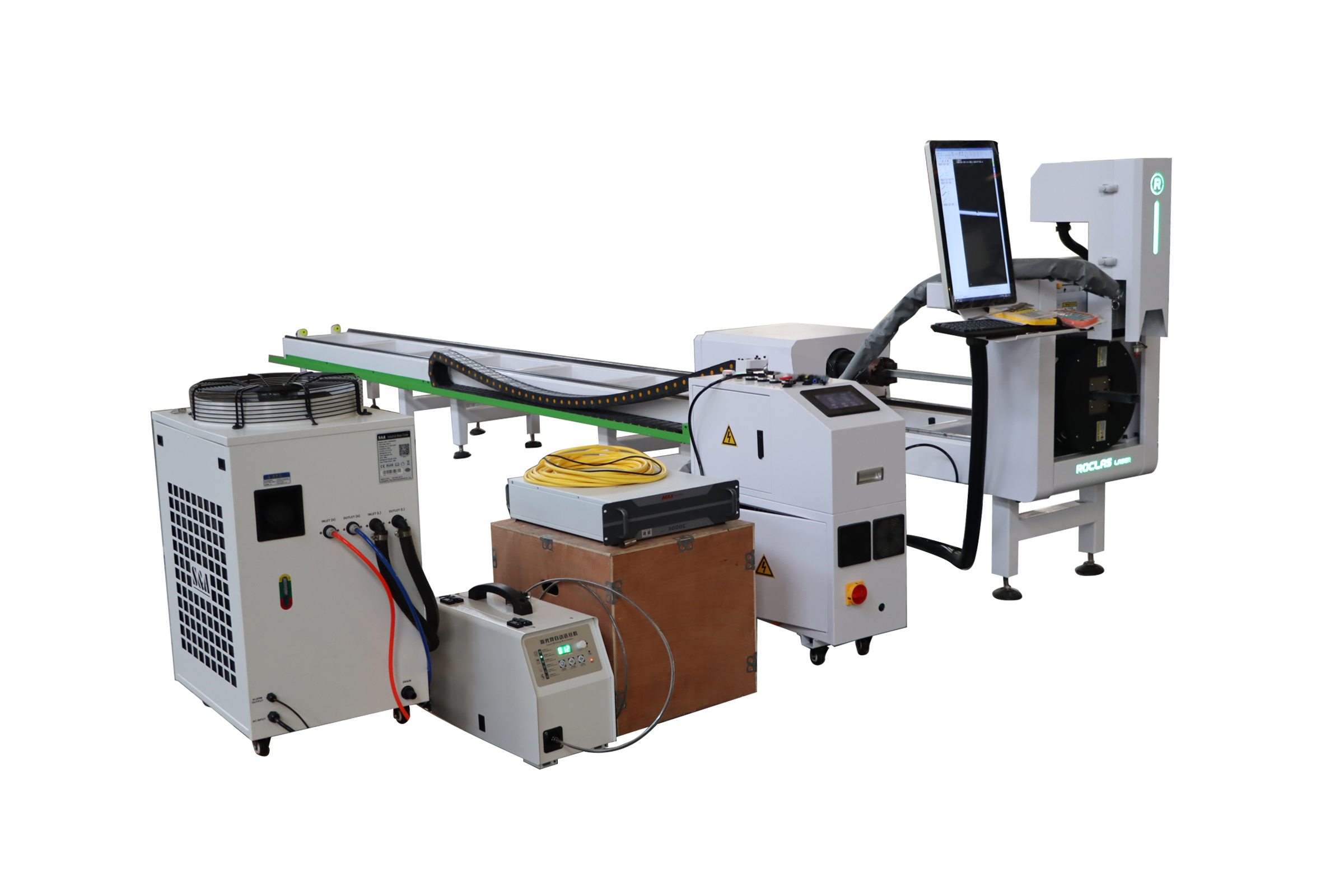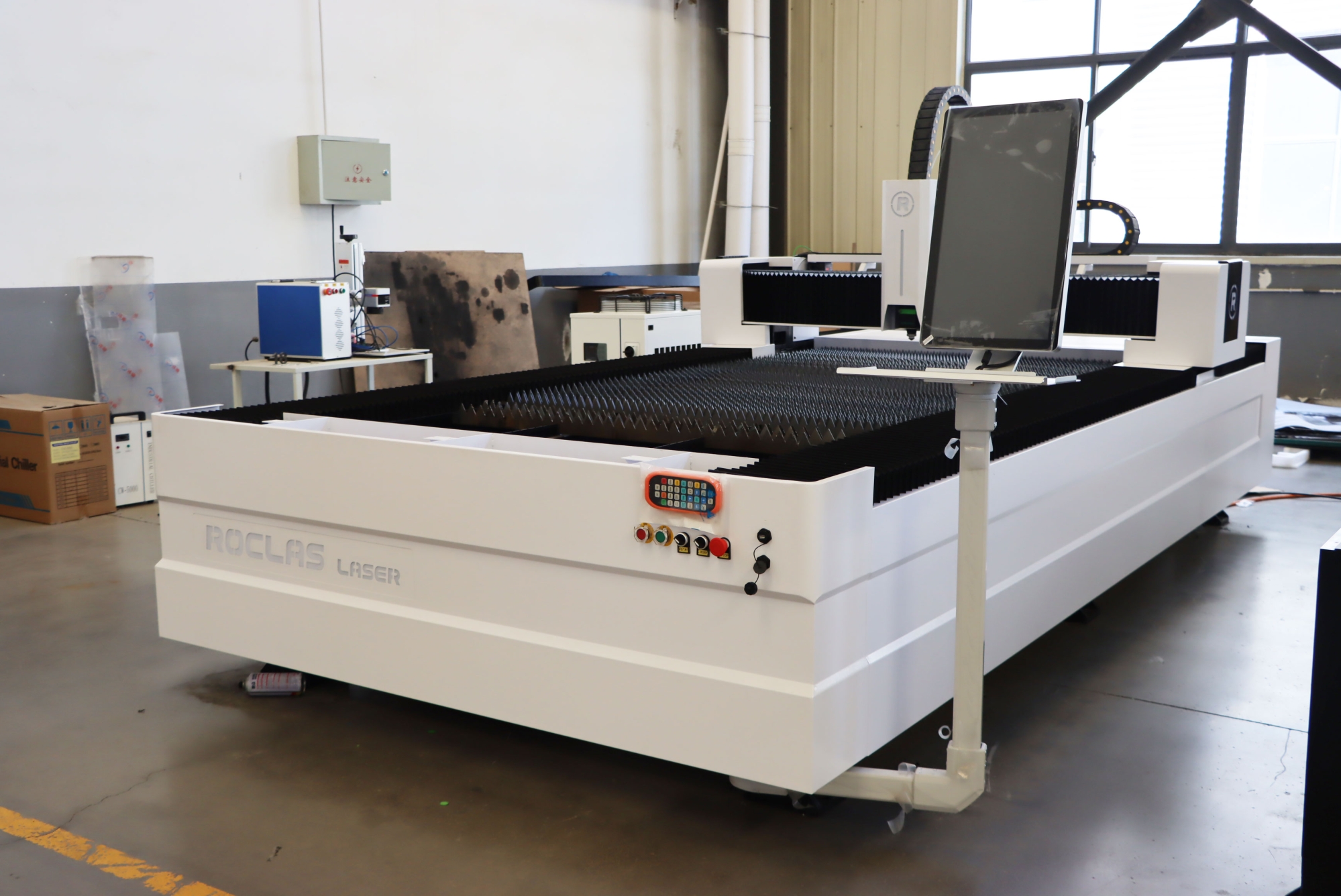
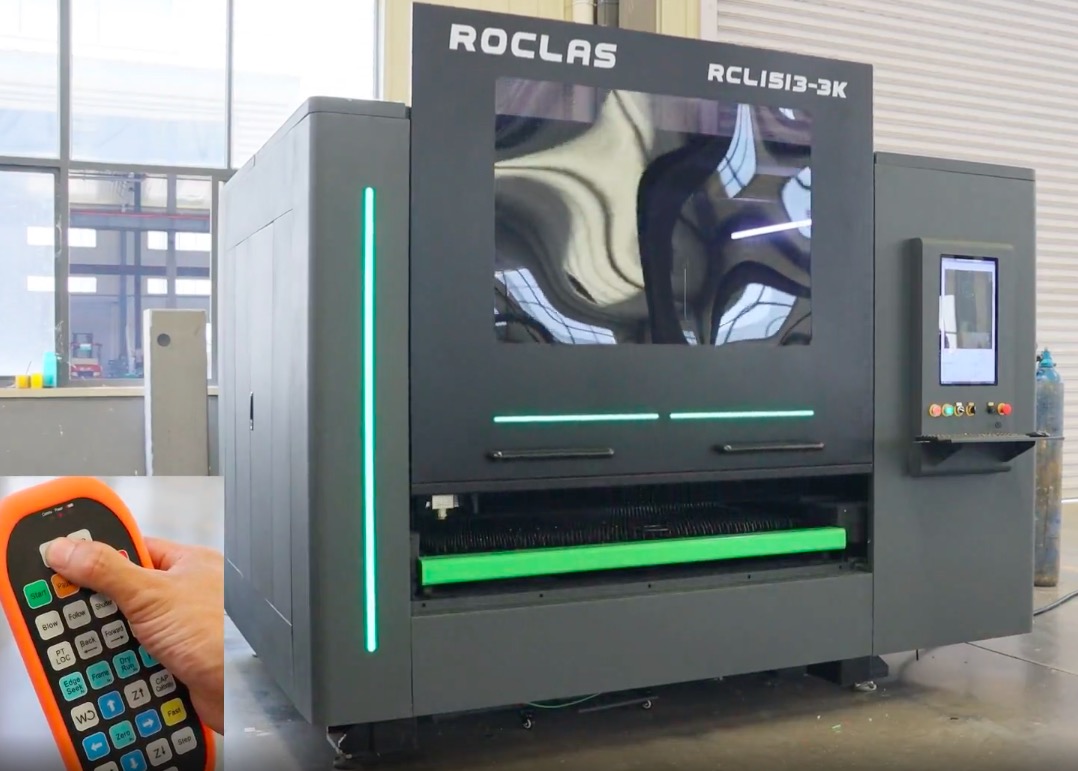
Abstract—The adoption of MAX laser sources in high-power Fiber laser cutting machines has reshaped the capability envelope of metal fabrication, particularly in thick-plate and high-reflectivity material processing. This article examines the technical characteristics of MAX laser source cutting machines, compares their performance across power tiers, and analyzes how system-level integration—motion control, thermal management, and modular machine bed design—determines real-world cutting outcomes. Reference is made to ROCLAS® MACHINERY CO., LTD., whose fiber laser platforms incorporate MAX and Raycus sources across a 1000W–20KW power range, as an illustrative case of current industry practice.
---
I. Introduction
Fiber laser cutting has consolidated its position as the dominant thermal cutting method in sheet metal fabrication over the past decade. Within this segment, the laser source itself accounts for a substantial share of machine cost and an even larger share of performance variance. Among the available source brands, MAX has emerged as a widely adopted option in the mid-to-high power bracket, particularly in Asian and emerging markets where price-performance ratio and service responsiveness carry considerable weight.
A "MAX laser source cutting machine" is therefore not merely a machine fitted with a particular component; it represents a specific configuration philosophy—one that balances achievable cutting speed, edge quality, and cost of ownership against the practical constraints of job shops and production lines. Understanding where this configuration excels, and where its limits lie, requires attention to both the source specifications and the surrounding machine architecture.
---
II. Power Tiers and Their Application Envelope
The most consequential variable in any fiber laser cutting machine is output power. MAX sources are commonly deployed across a broad spectrum, and the table below summarizes typical capability mapping observed in the field.
| Power Tier | Typical Max Cut (Mild Steel) | Typical Max Cut (Stainless) | Dominant Application |
|---|---|---|---|
| 1000W–1500W | 6–8 mm | 3–4 mm | Thin-gauge job shop, signage |
| 2000W–3000W | 10–12 mm | 5–6 mm | General fabrication, kitchen equipment |
| 4000W–6000W | 16–20 mm | 8–10 mm | Structural parts, elevator panels |
| 8000W–12000W | 22–25 mm | 12–16 mm | Heavy machinery, shipbuilding |
| 15000W–20000W | 30 mm+ | 20 mm+ | Thick plate, aerospace ground support |
Note: Figures are indicative and vary with assist gas, nozzle configuration, and material quality.
Two observations follow from this distribution. First, the marginal return on power diminishes as thickness increases; doubling power from 3000W to 6000W yields a far greater throughput gain on 12 mm stainless than doubling from 12000W to 24000W would on 25 mm carbon steel. Second, the practical ceiling for a given power tier is frequently set not by the source but by the machine's acceleration and control bandwidth. A 12KW source mounted on a gantry incapable of sustained 1.0G acceleration will underperform a well-tuned 6KW system on contour-heavy work.
This is where integration quality becomes decisive. ROCLAS® MACHINERY CO., LTD., for instance, pairs MAX and Raycus sources with imported servo drive systems and reducers, and specifies travel speeds up to 100 m/min with maximum acceleration of 1.0G on its standard sheet cutting platforms. The specification matters because it ensures the source is not the bottleneck.
---
III. High-Reflectivity Materials and Source-Side Mitigation
Copper, brass, and aluminum present a persistent challenge in fiber laser cutting due to back-reflection, which can destabilize the resonator or damage optical components. Modern MAX sources incorporate suppression modules that permit stable processing of thin reflective metals—typically 1–2 mm copper and 2–3 mm aluminum on appropriately configured machines.
This capability has expanded the addressable market for fiber laser cutting into electrical enclosure manufacturing, decorative metalwork, and certain automotive components. It has also raised the importance of beam delivery design: the focusing lens, protective window, and nozzle geometry must all be matched to the source's beam parameter product to avoid power density losses at the workpiece.
---
IV. Machine Architecture Beyond the Source
A recurring misconception in procurement is that source brand and power alone determine cutting performance. In practice, three additional subsystems exert comparable influence.
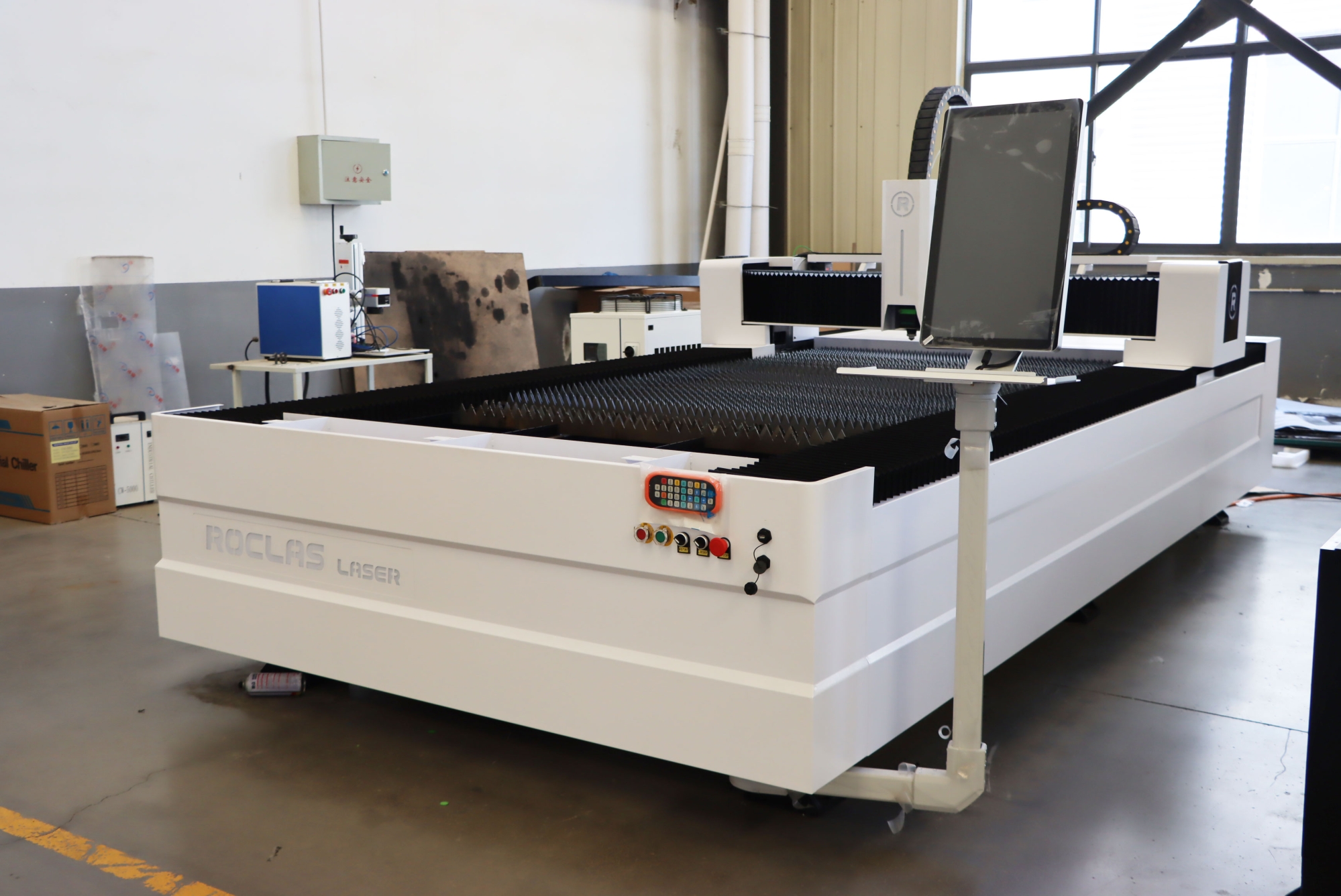
The machine bed determines long-term geometric stability. Industrial-grade heavy-duty steel structures, machined on CNC five-face centers, are the current benchmark. ROCLAS offers both single-piece welded beds and modular screw-connected beds; the latter preserves manufacturing tolerances while allowing disassembly for transport—a meaningful consideration for overseas installations where container dimensions constrain shipment.
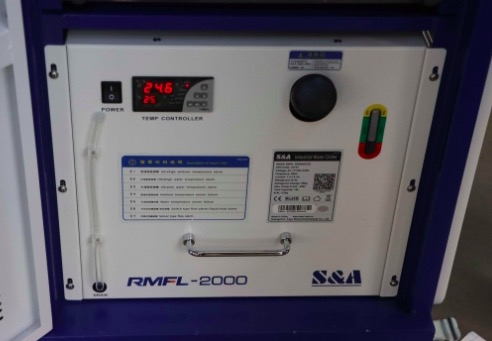
The control system governs nesting efficiency, piercing routines, and cut-path optimization. Cypcut 3000S is widely deployed in this class, and its parameter libraries for MAX sources are mature. The thermal management subsystem—chiller capacity and temperature stability—directly affects beam quality drift over long shifts.
---
V. Conclusion
The MAX laser source cutting machine occupies a pragmatic position in the fiber laser market: high enough in power to serve demanding thick-plate applications, mature enough in its control ecosystem to be integrated without extensive custom engineering, and cost-structured to remain accessible to mid-sized fabricators. Its performance, however, is realized only through disciplined system integration. As power ratings continue to climb—20KW is now commercially available—the differentiator will shift further from the source itself toward machine dynamics, thermal stability, and software intelligence. Manufacturers that treat the laser source as one component within a coherent motion and control architecture, rather than as a headline specification, will be the ones whose machines remain productive a decade after installation.