Abstract
The integration of nitrogen generators with fiber laser cutting systems represents a significant advancement in metal fabrication efficiency and operational cost management. This analysis examines the technical rationale behind Nitrogen Generator packages, evaluates their role across different material processing scenarios, and assesses the broader implications for industries ranging from automotive manufacturing to aerospace component production. Drawing on the technical specifications and application data from ROCLAS® MACHINERY CO., LTD., this paper explores how auxiliary gas systems influence cut quality, operational expenditure, and overall system reliability.
---
1. Industry Background and Market Context
Fiber laser cutting has become the dominant technology for sheet metal processing over the past decade, with power ratings now reaching 20KW for industrial applications. However, the cutting process itself depends on more than just laser power and motion control. The assist gas delivered coaxially with the beam plays a decisive role in determining cut edge quality, kerf width, and cutting speed across different materials.
Nitrogen, as an inert assist gas, is essential for processing stainless steel, aluminum, copper, and other alloys where oxidation at the cut edge is unacceptable. Many manufacturers have traditionally relied on delivered liquid nitrogen or high-pressure cylinder supply. This approach carries ongoing costs, logistical complexity, and supply chain vulnerabilities. The nitrogen generator package—an on-site gas production system integrated with the laser cutting machine—addresses these issues directly.
The market for integrated nitrogen generation systems has grown in parallel with the adoption of higher-power fiber lasers. As cutting thickness increases and quality requirements tighten, the volume and purity of nitrogen required also rise. A 6KW fiber laser cutting 6mm stainless steel may consume nitrogen at rates that make cylinder supply economically impractical for continuous production.
Table 1: Nitrogen Generator Technical Specifications (ROCLAS® Configuration)
| Parameter | Specification |
|-----------|---------------|
| Material | Carbon Steel |
| Power Supply | 220V/50Hz or 380V/50Hz |
| Total Power | 9KW |
| Purified Air Handling Capacity | 3.8 m³/min |
| Air Tank | 1 m³ / 8 kg |
| Nitrogen Storage Tank | 1 m³ / 8 kg |
| Nitrogen Process Tank | 0.3 m³ / 8 kg |
| Nitrogen Purity | 99.999% |
| Weight | 2600 kg |
The data in Table 1 reveals several engineering considerations. The 99.999% purity level meets the requirements for cutting reflective and oxidation-sensitive materials, including copper and aluminum. The purified air handling capacity of 3.8 m³/min supports laser cutting operations up to 6KW in continuous duty, with sufficient margin for peak demand. The dual voltage compatibility (220V/50Hz or 380V/50Hz) allows installation in diverse industrial environments without requiring transformer upgrades. At 2600 kg, the system is designed as a stationary installation, typically positioned adjacent to the laser cutting cell.
The total power draw of 9KW deserves attention. Compared to the energy required for cryogenic nitrogen production and delivery, on-site generation reduces the embodied energy of the assist gas by a considerable margin. For operations running multiple shifts, the payback period on a nitrogen generator package is typically measured in months rather than years.
---
2. Technical Application and Integration
The nitrogen generator package is not a standalone product but an integrated subsystem within the laser cutting workflow. The process begins with compressed air, which passes through filtration and separation stages to remove oxygen, moisture, and particulate contamination. The resulting high-purity nitrogen is buffered in storage tanks and delivered to the cutting head at the pressure and flow rate required by the specific cutting parameters.
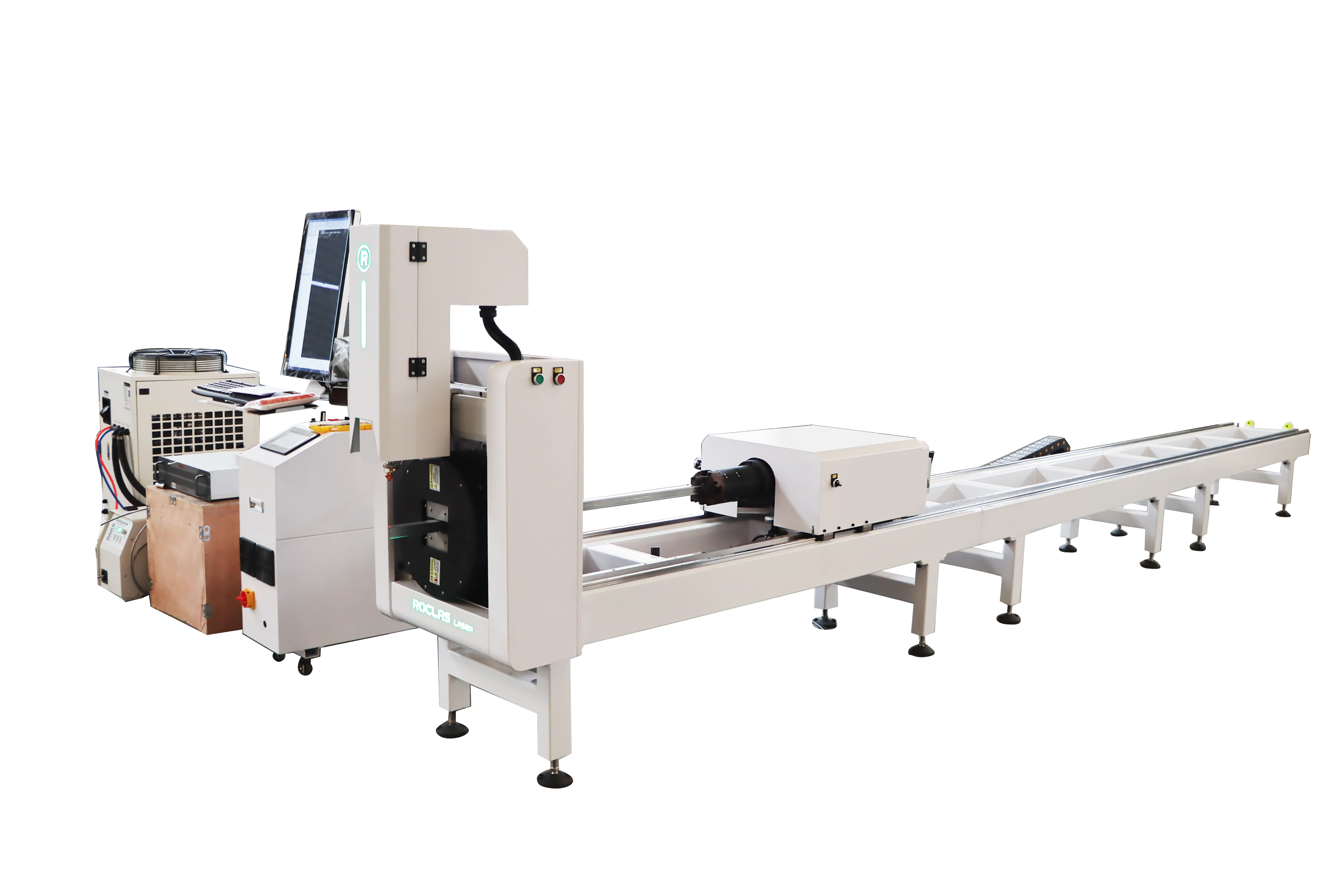
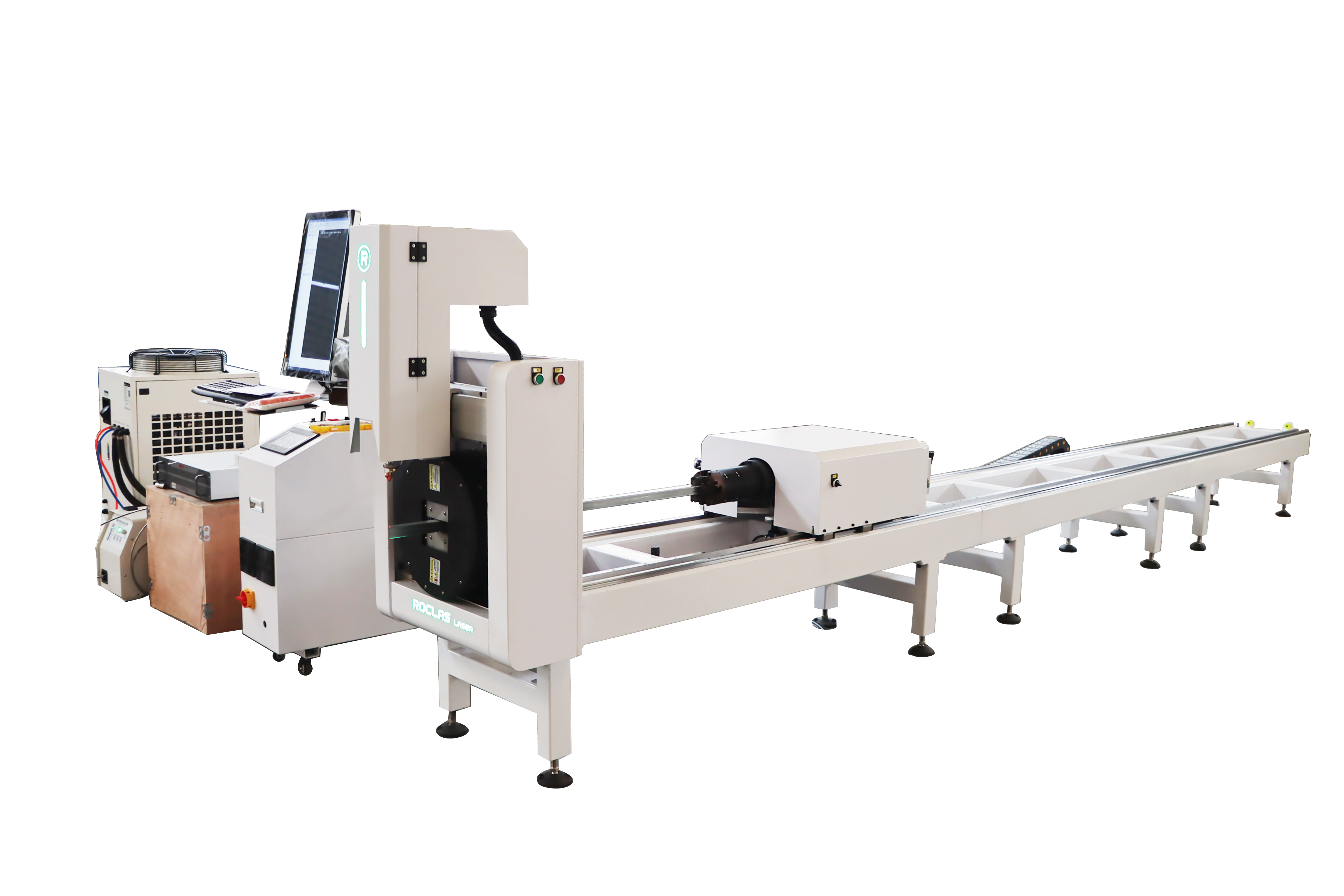
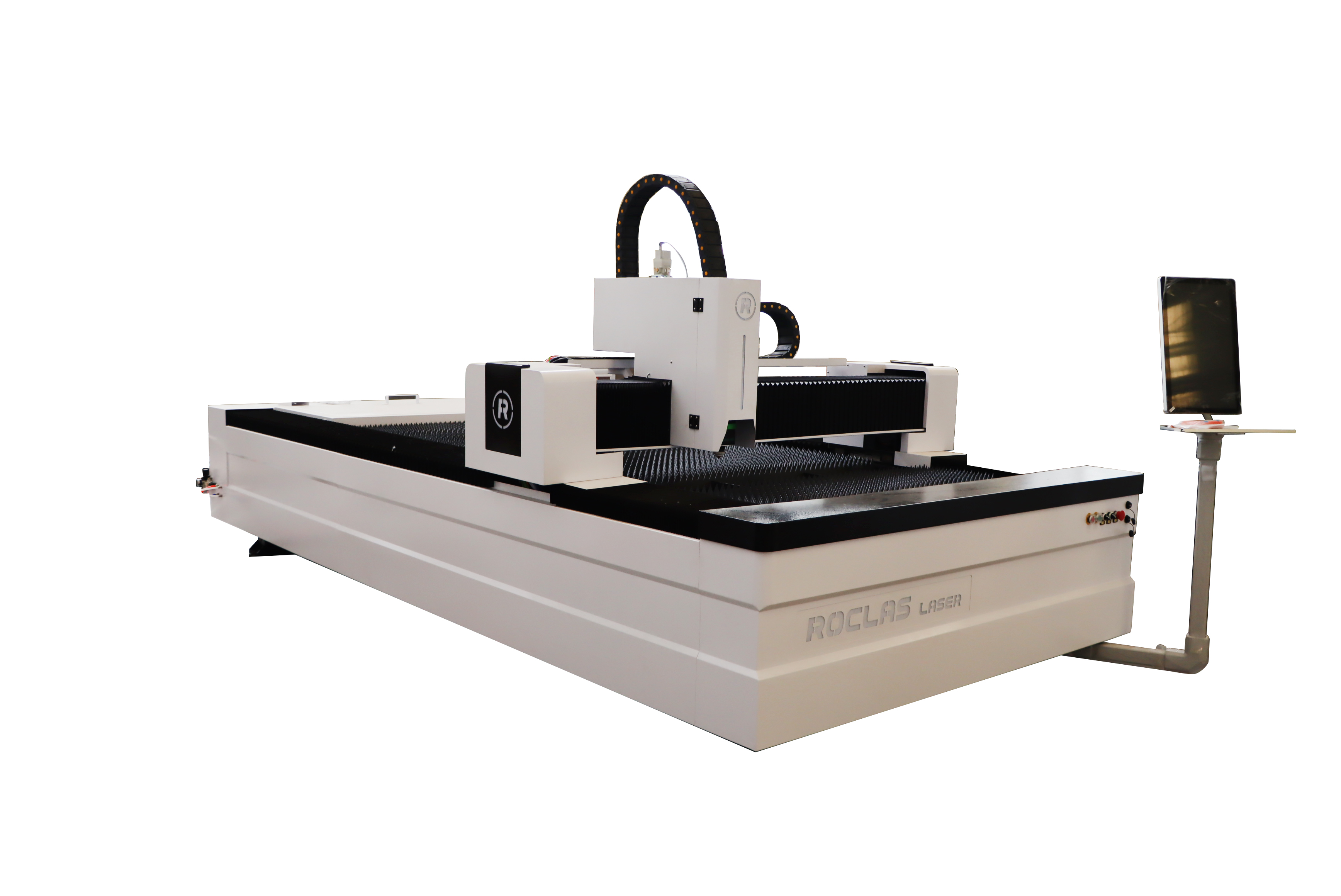
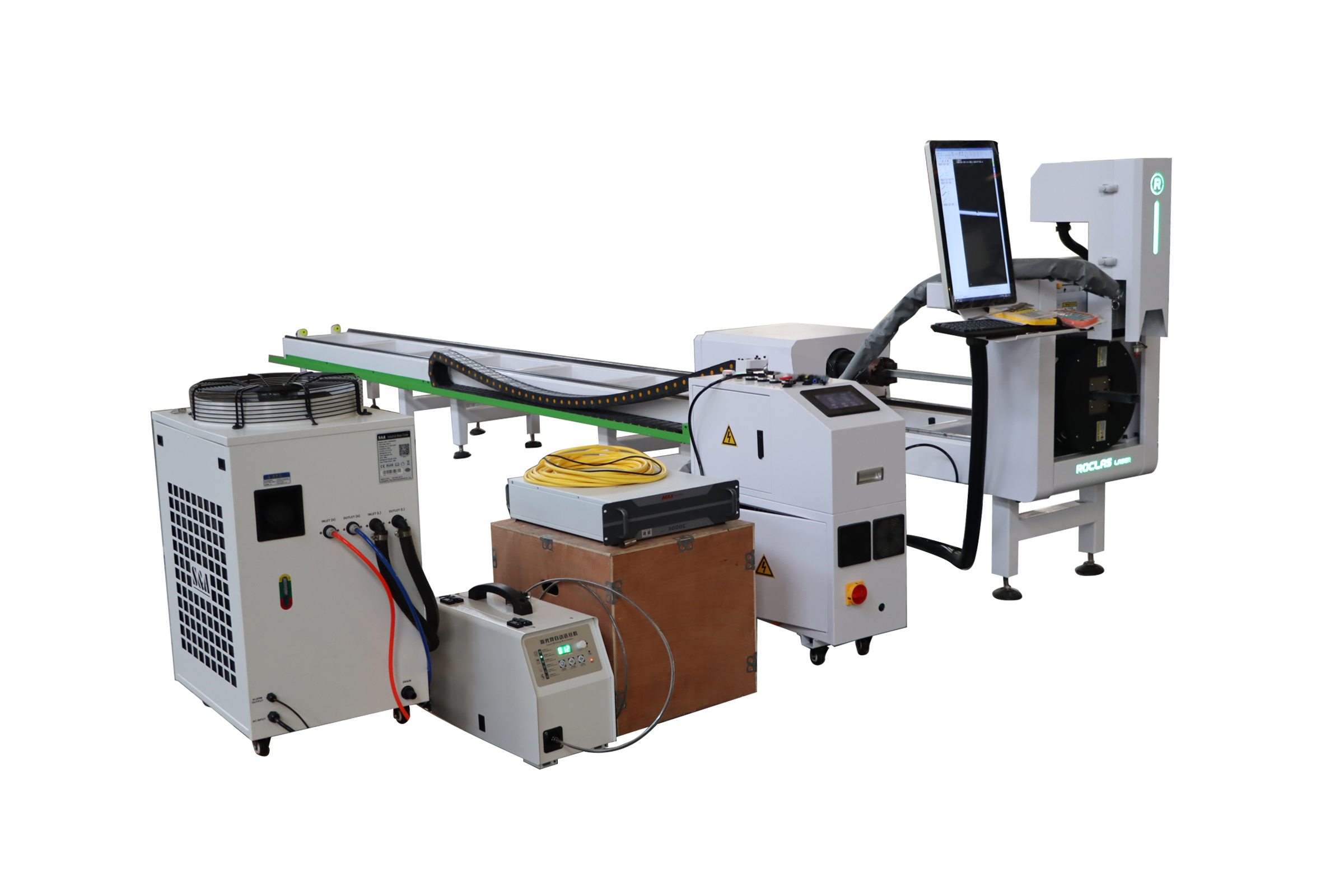
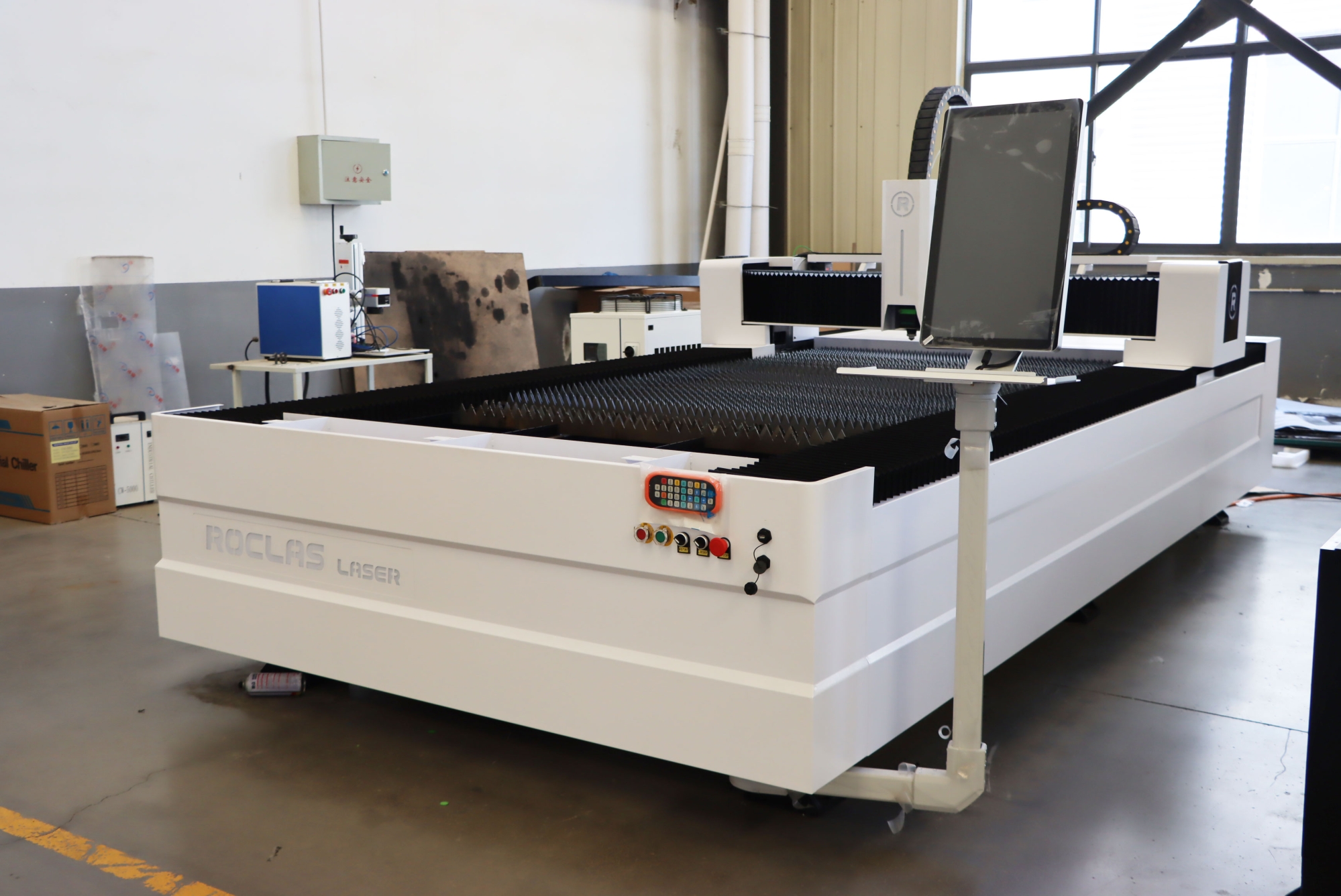
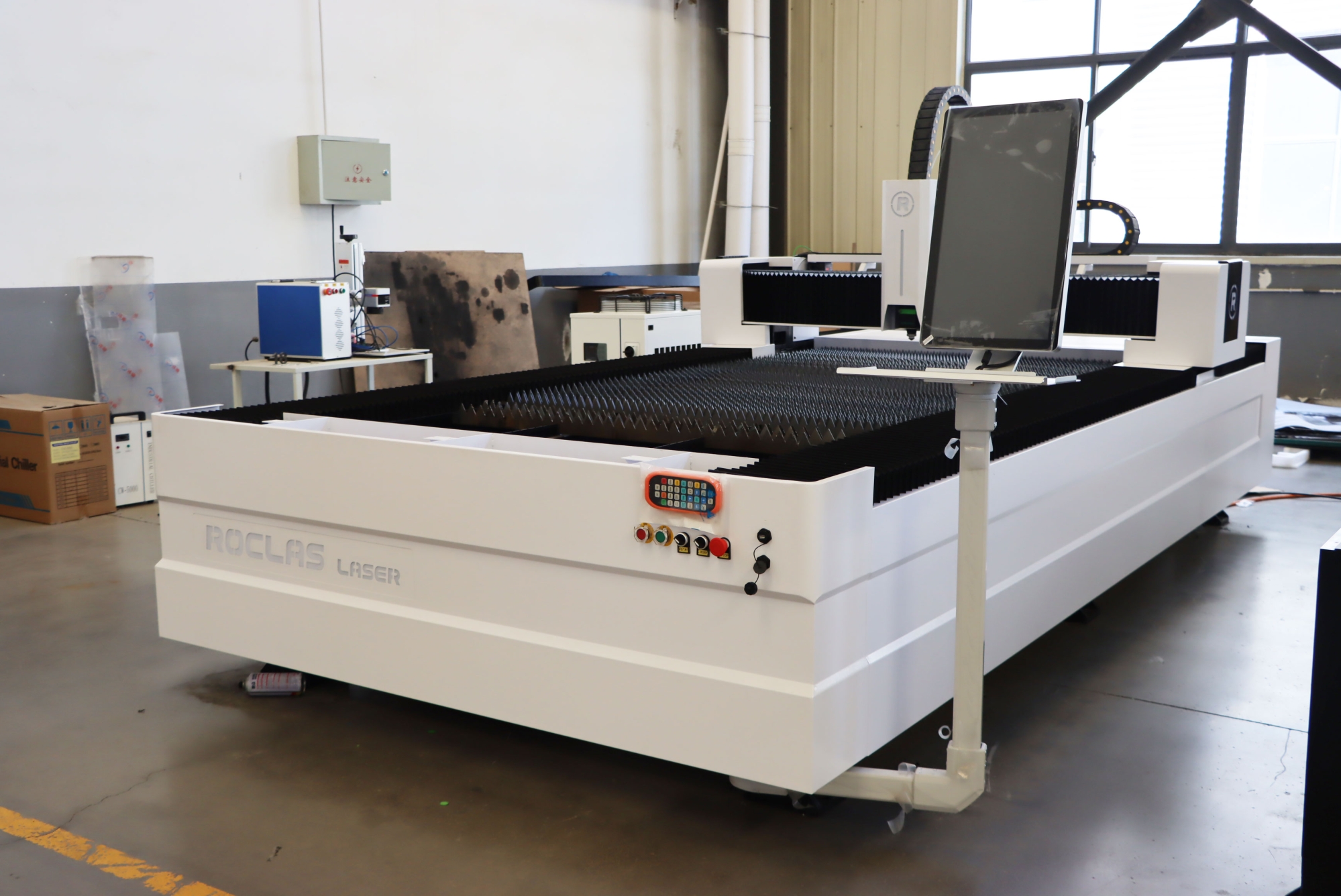
ROCLAS® MACHINERY CO., LTD. approaches this integration as part of its broader laser equipment portfolio. The company's fiber laser cutting machines, ranging from 1000W to 20KW, are designed with gas delivery systems that interface directly with the nitrogen generator package. This co-engineering ensures that pressure regulation, flow control, and purity monitoring function as a unified system rather than as separate components from different vendors.
The practical benefits manifest across several application scenarios. In stainless steel kitchen equipment manufacturing, for example, nitrogen cutting produces clean, oxide-free edges that require no post-processing before welding or assembly. In the automotive sector, aluminum body panels and structural components cut with nitrogen exhibit superior fatigue resistance compared to oxygen-cut alternatives. For aerospace applications, where material certification and traceability are paramount, the consistent purity of on-site generated nitrogen eliminates variability associated with delivered gas.
The nitrogen generator package also addresses a less obvious but commercially significant factor: production scheduling flexibility. When nitrogen is delivered by truck, production planning must account for delivery windows, storage capacity, and potential supply interruptions. On-site generation decouples cutting operations from external supply chains. This is particularly relevant for manufacturers in regions with underdeveloped industrial gas infrastructure or for facilities running lights-out production during off-hours.
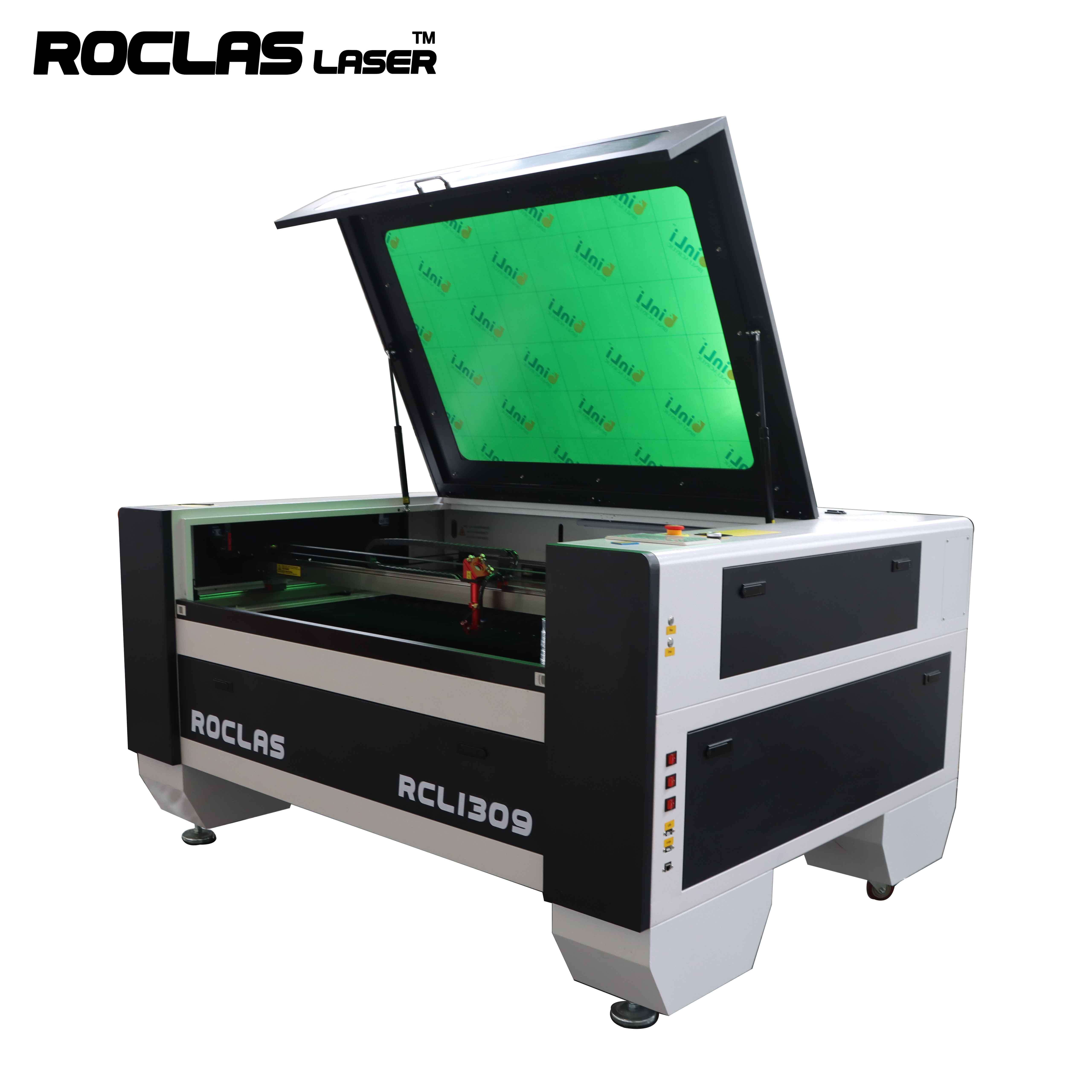
ROCLAS® has extended this integration logic to its CO2 laser cutting systems as well. The RCL1530-500W model combines CO2 and fiber laser sources in a single platform, processing both metals and non-metals. For non-metal cutting, nitrogen assist gas is not typically required, but the gas delivery infrastructure serves both modes, simplifying changeover and reducing idle time.
---
3. Economic and Operational Analysis
The economic case for nitrogen generator packages rests on three pillars: reduced consumable costs, improved logistics, and enhanced quality consistency.
Consumable costs are straightforward to calculate. Delivered liquid nitrogen typically costs between $0.50 and $1.50 per kilogram, depending on region and volume. A mid-range fiber laser cutting 4mm stainless steel consumes approximately 15-25 kg of nitrogen per hour. Over a 4,000-hour annual operating schedule, this translates to $30,000 to $150,000 in annual gas expenditure. An on-site nitrogen generator, by contrast, requires only electricity and maintenance. At 9KW total power and typical industrial electricity rates, the energy cost for nitrogen production is a fraction of delivered gas pricing.
Logistics costs are harder to quantify but no less real. Cylinder or liquid tank delivery requires storage space, handling equipment, and administrative overhead. On-site generation eliminates these requirements, freeing floor space and reducing safety compliance burdens associated with high-pressure gas storage.
Quality consistency is perhaps the most underappreciated benefit. Delivered nitrogen, while specified at high purity, can vary between batches due to handling and transfer losses. On-site generation with continuous purity monitoring ensures that every cut is made under identical atmospheric conditions. For manufacturers serving industries with stringent quality documentation requirements—aerospace, medical, food processing equipment—this consistency simplifies certification and traceability.
ROCLAS® MACHINERY CO., LTD. supports these economic arguments through its broader equipment ecosystem. The company's Steel Coil Uncoiler Machine, automatic packing systems, and Robotic Arm integrations allow manufacturers to build complete production lines around the laser cutting cell. The nitrogen generator package fits into this ecosystem as a supporting subsystem that enhances overall line efficiency rather than as a standalone capital purchase.
---
4. Conclusion and Outlook
The nitrogen generator package represents a mature but still evolving segment of the laser cutting equipment market. As fiber laser power continues to increase and material thickness ranges expand, the demand for high-volume, high-purity nitrogen will grow accordingly. On-site generation is likely to become standard practice rather than an optional upgrade, particularly for manufacturers in high-wage regions where labor and logistics costs dominate operational budgets.
ROCLAS® MACHINERY CO., LTD., with its 15-member R&D team, 50+ patents, and ISO 9001, CE, FDA, and UL certifications, is positioned to serve this transition. The company's approach—integrating nitrogen generation with laser cutting systems rather than treating them as separate purchases—reflects a systems-level understanding of metal fabrication workflows. For manufacturers evaluating laser cutting investments, the nitrogen generator package deserves consideration not as an accessory but as a core component of the production infrastructure.