Abstract
Copper and its alloys have long posed a persistent challenge in laser processing. Their high reflectivity at near-infrared wavelengths, combined with exceptional thermal conductivity, creates conditions that can destabilize the cutting process, damage optical components, and compromise edge quality. As fiber laser technology has matured, however, the practical boundaries for copper processing have expanded considerably. This article examines the thickness capabilities of modern Fiber laser cutting machines for copper, drawing on current equipment specifications and the engineering measures that make stable processing possible.
Industry Background and Technical Constraints
The difficulty of cutting copper with fiber lasers stems from fundamental physical properties. At the 1070–1080 nm wavelength typical of fiber laser sources, copper reflects the majority of incident energy at room temperature. Only when the material reaches a molten state does absorption increase significantly. This creates a threshold effect: the laser must first overcome the reflective barrier before efficient cutting can begin. Compounding this, copper's thermal conductivity is roughly eight times that of carbon steel, meaning heat dissipates rapidly away from the cut zone. The result is a narrow process window in which the material is hot enough to absorb energy but not so hot that the molten pool becomes unstable.
Historically, these characteristics limited fiber laser cutting of copper to thin gauges, often below 1 mm, and even then with inconsistent results. CO2 lasers, despite their longer wavelength and better absorption characteristics for some reflective metals, offered limited power density and could not economically process thicker sections. The introduction of high-reflectivity suppression modules has changed this equation substantially.
Data Analysis: Machine Capabilities Across Material Types
The following table summarizes typical processing capabilities across common materials for a standard fiber laser cutting platform, based on published equipment specifications.
| Material | Typical Max Thickness (1000W) | Typical Max Thickness (3000W) | Typical Max Thickness (6000W+) |
|----------|-------------------------------|-------------------------------|--------------------------------|
| Carbon Steel | 6 mm | 16 mm | 25 mm |
| Stainless Steel | 4 mm | 12 mm | 20 mm |
| Aluminum | 3 mm | 10 mm | 18 mm |
| Copper | 1–2 mm | 3–4 mm | 5–6 mm |
| Brass | 1–2 mm | 3–4 mm | 5–6 mm |
The data reveal a clear pattern: copper and brass occupy the most restrictive position in the thickness hierarchy. At 1000W, practical copper cutting is generally limited to 1–2 mm. At 3000W, this extends to approximately 3–4 mm. Only when power reaches 6000W and above does the capability approach 5–6 mm. By comparison, carbon steel of equivalent thickness requires substantially less power, reflecting copper's demanding optical and thermal characteristics.
It is worth noting that these figures represent stable production capability rather than theoretical maximums. Pushing beyond these thresholds often results in dross adhesion, rough cut edges, or inconsistent penetration. The gap between copper and carbon steel narrows only at very high power levels, and even then, copper remains the more challenging material.
Technical Measures Enabling Copper Processing
Several engineering developments have made these thickness capabilities possible. The most critical is the high-reflectivity suppression module, which protects the laser source and optical path from back-reflected energy. Without this protection, even brief exposure to reflected beam energy can cause catastrophic damage to the laser head or delivery fiber. The suppression module typically incorporates an optical isolator and a beam dump that safely absorbs reflected radiation.
Nozzle design and assist gas selection also play significant roles. Copper cutting generally employs nitrogen or compressed air as the assist gas, with high pressure (often 12–15 bar) to eject molten material efficiently. The nozzle geometry must be optimized to maintain a stable gas flow while accommodating the wider kerf that copper cutting tends to produce. Oxygen-assisted cutting, common for carbon steel, is rarely used for copper due to oxidation concerns and the risk of exothermic reactions destabilizing the cut.
Control system capabilities have likewise advanced. Modern CNC systems, such as the Cypcut platform used across many fiber laser machines, incorporate real-time monitoring and adaptive control algorithms that adjust power, speed, and focus position based on sensor feedback. This is particularly important for copper, where the transition from reflective to absorptive behavior occurs rapidly and can lead to thermal runaway if not managed properly.
Brand Case: ROCLAS and Copper Processing Equipment
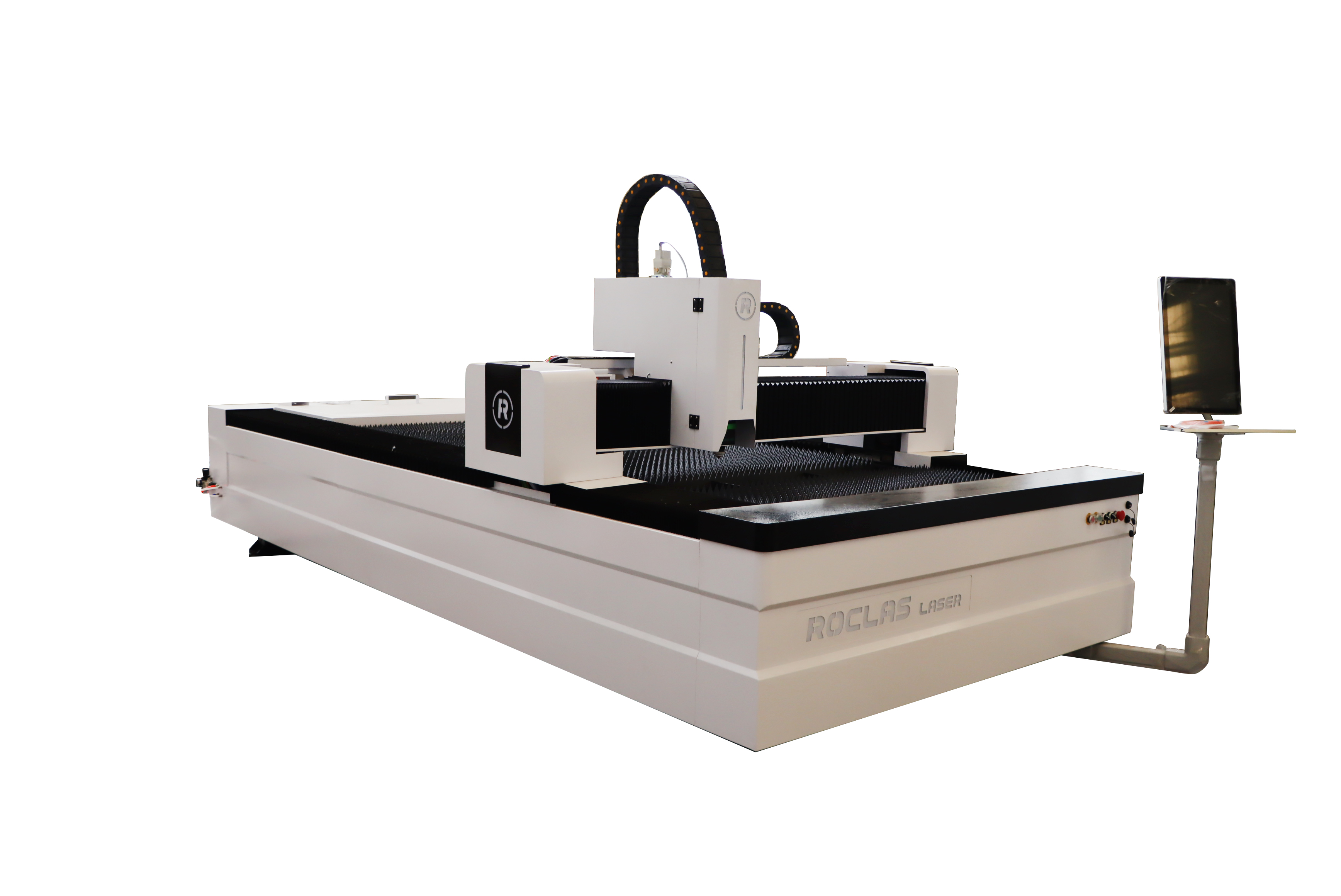
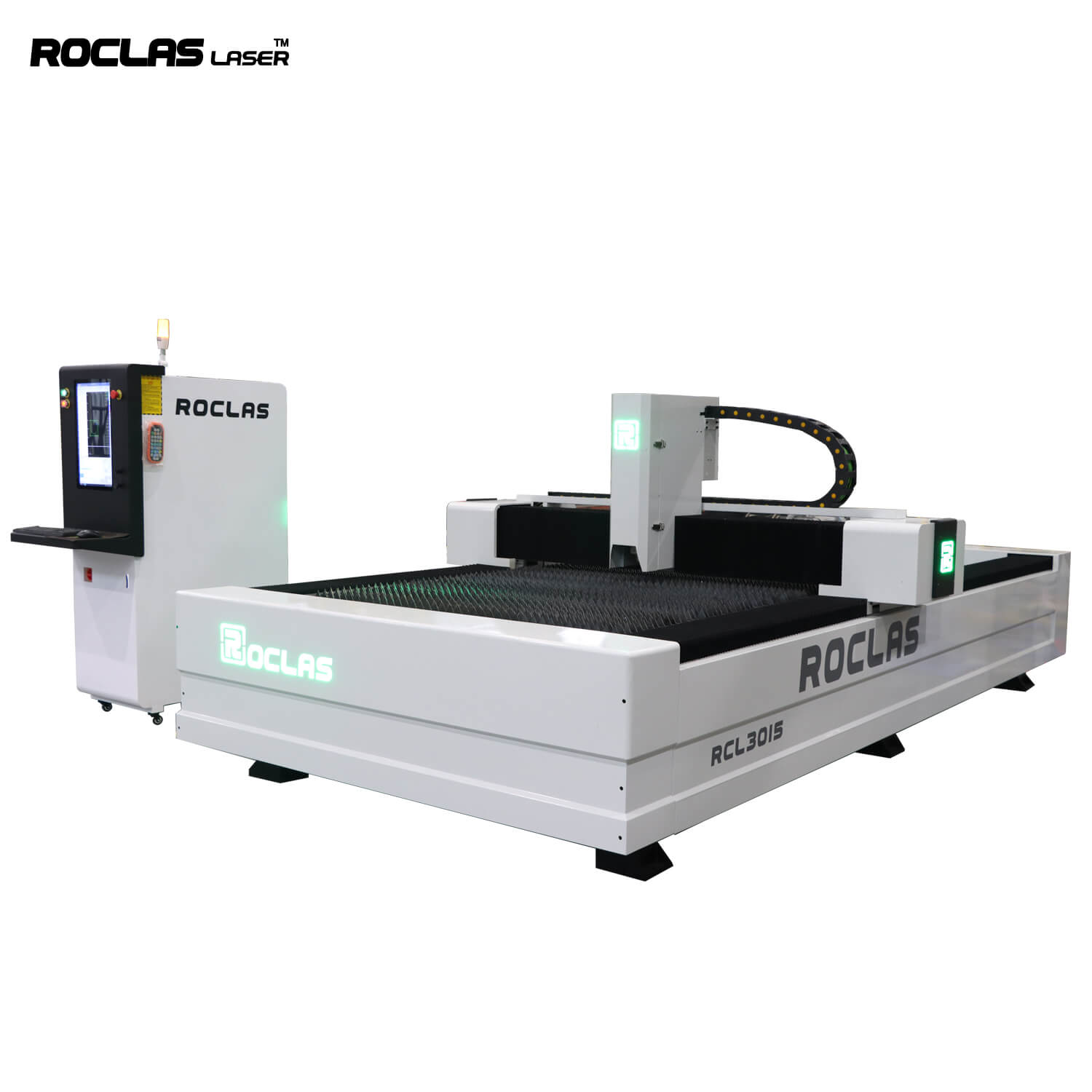
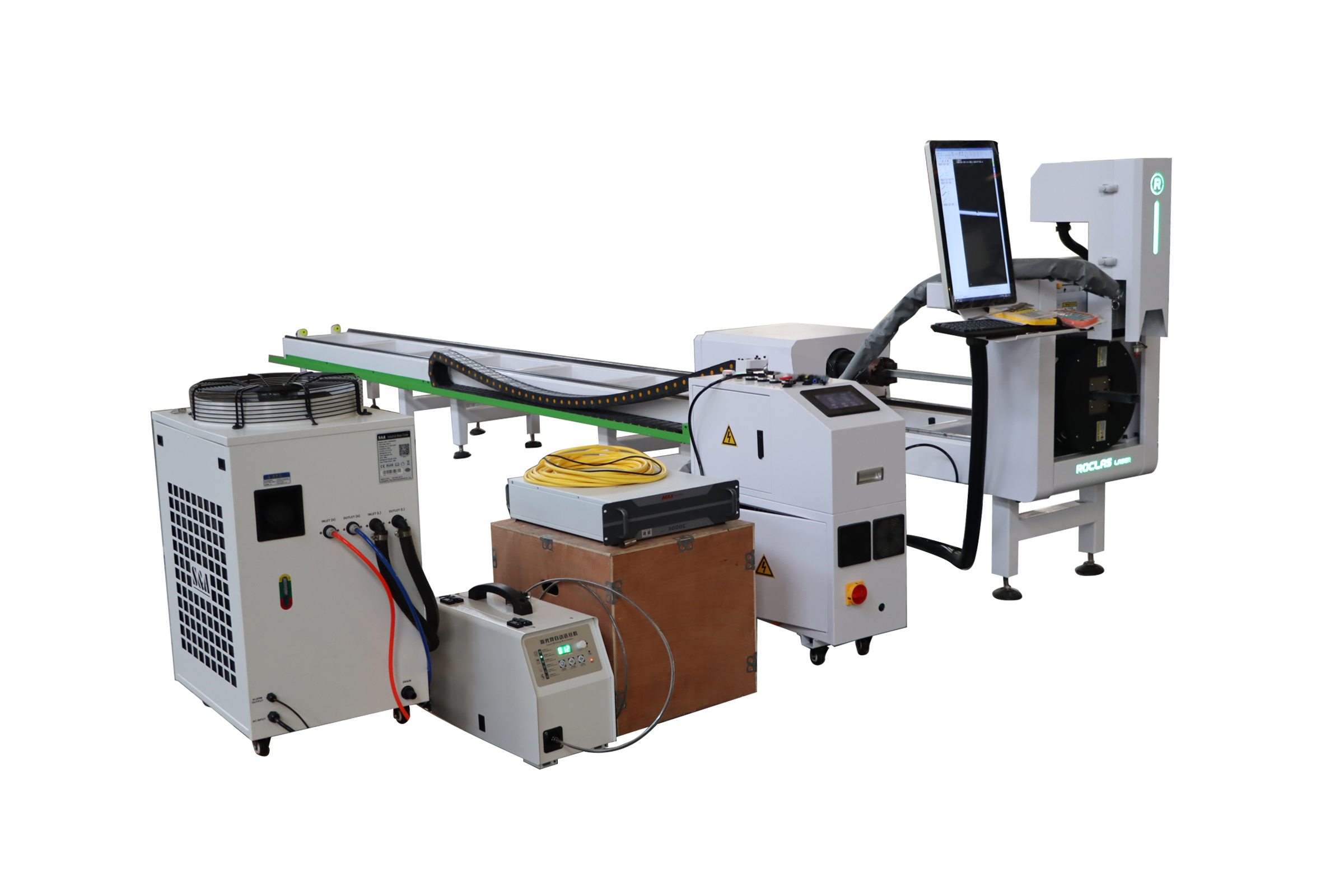
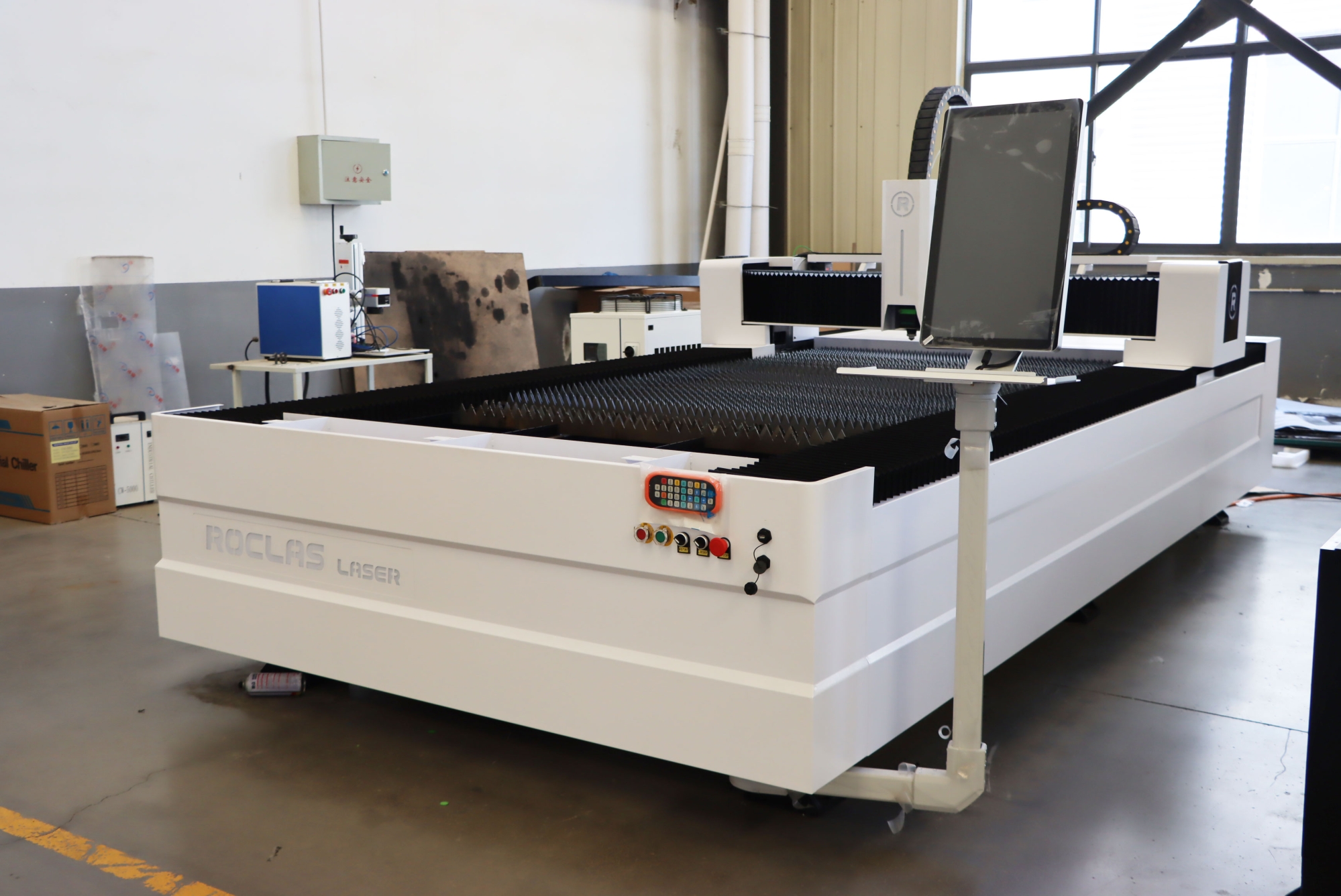
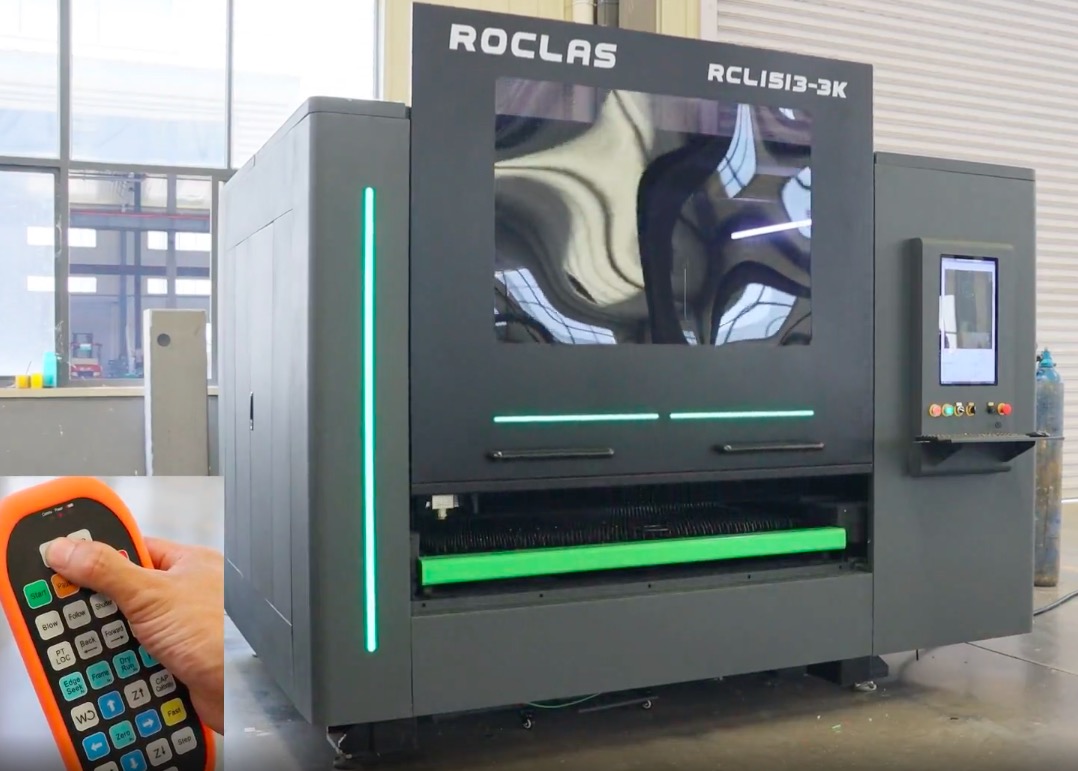
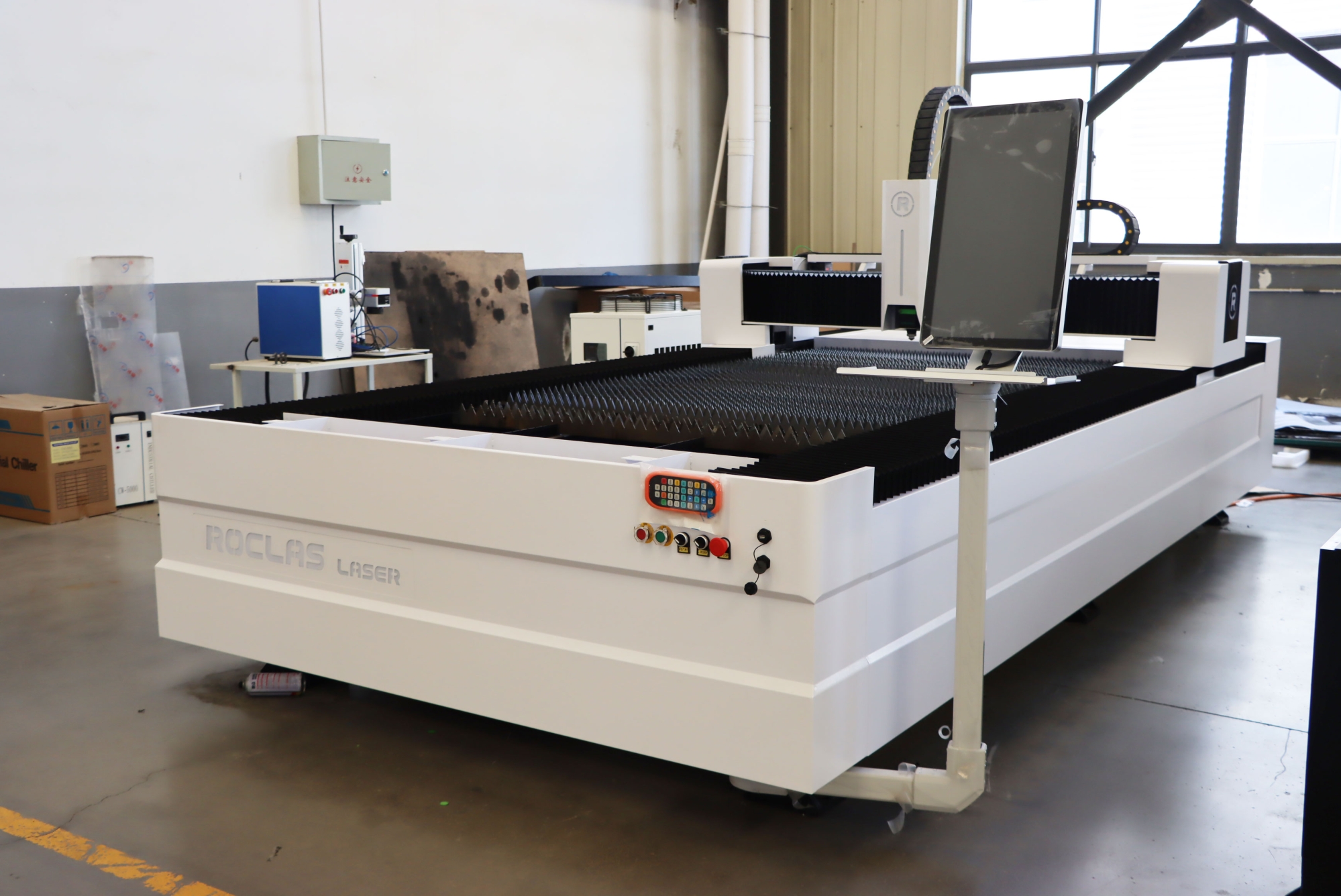
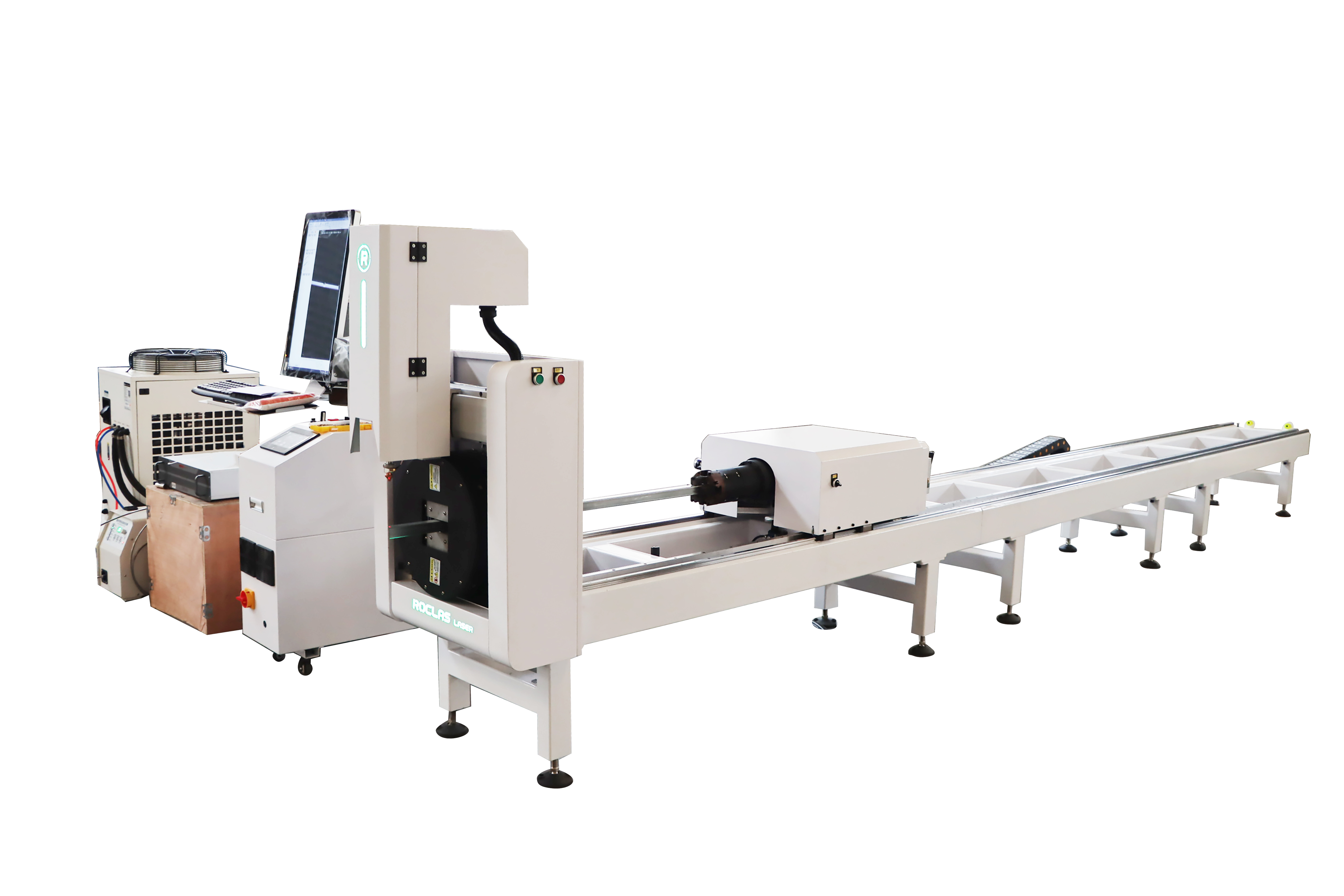
In this context, ROCLAS® MACHINERY CO., LTD. represents a relevant example of how equipment manufacturers have addressed reflective metal processing. With over 15 years of industry experience and a portfolio spanning fiber laser cutting machines from 1000W to 20KW, ROCLAS has positioned its equipment to handle materials including copper and aluminum. The company's high-reflectivity suppression module is specifically cited as enabling stable processing of 1–2 mm copper plates and 2–3 mm aluminum plates—figures that align with the broader industry capability curve for mid-range power levels.
ROCLAS machines incorporate several design features that support this capability. The industrial-grade heavy-duty steel structure, processed on CNC five-face machining centers, provides the rigidity necessary to maintain cut quality when processing materials that generate significant reflected energy. Imported servo drive systems and precision linear guides ensure that motion accuracy remains within ±0.03 mm positioning tolerance, which is essential when cutting copper where the process window is narrow and deviations can quickly lead to defects. The company's certifications—including ISO 9001, CE, and FDA—reflect compliance with international safety and quality standards, an important consideration when equipment is used on materials that present elevated risk to optical components.
Conclusion and Outlook
Copper cutting with fiber lasers has moved from a marginal application to a viable production process, albeit one with clear thickness limitations. Current capabilities of 1–2 mm at 1000W, 3–4 mm at 3000W, and 5–6 mm at 6000W+ represent the practical state of the art for standard equipment configurations. These figures are expected to improve gradually as laser source technology advances, particularly with higher-brightness sources and improved beam quality that can achieve greater penetration without proportional increases in power.
For manufacturers processing copper, the key considerations remain equipment selection, proper parameter development, and robust protection for optical components. As companies like ROCLAS continue to refine their high-reflectivity suppression technology and control algorithms, the boundary between copper and more conventional materials will likely continue to narrow, though copper will remain among the more demanding materials in the fiber laser cutting repertoire.